The Story
Why it exists.
The beginning
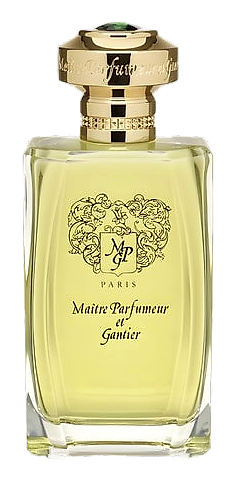
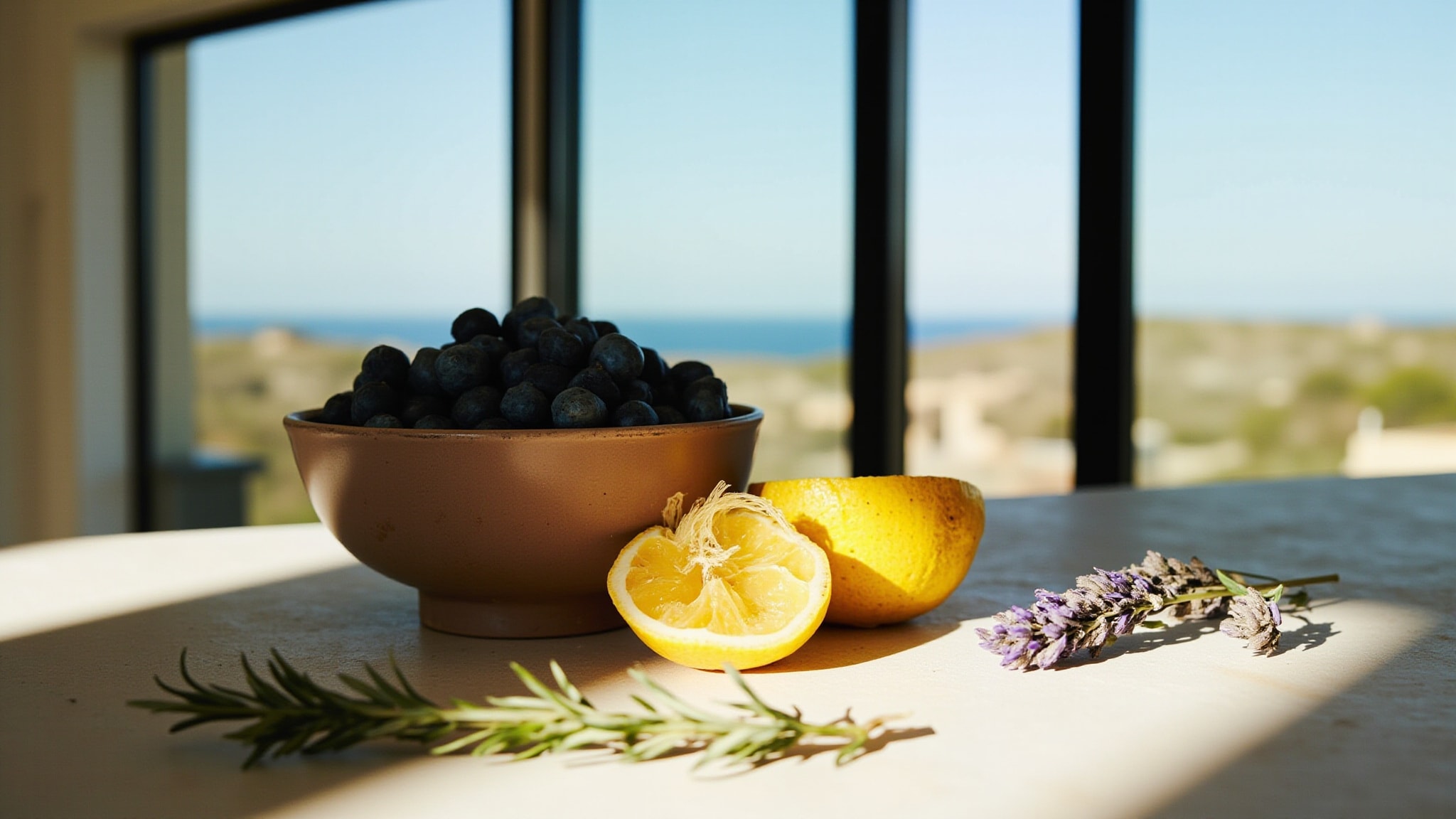
Jean-François Laporte built Garrigue around a single landscape: the garrigue itself, that sun-baked Provençal scrubland where wild lavender, sage, and rosemary grow in rocky, arid soil. It wasn't a new idea. But Laporte, who had co-founded L'Artisan Parfumeur a decade earlier and left in 1982 to build something with more classical French bones, saw the garrigue as an olfactory anchor. Not a trend. A geography. The 1988 release translated the heat and haze of southern France into something you could wear to a meeting or a market without apology. Citrus opened the composition like light through a window. The herbal heart did the real work. The base held it all together, quietly, without ceremony.
What makes this structure work is the restraint. Most aromatic fragrances of the era leaned into intensity, they wanted to announce. Garrigue wanted to linger. The juniper note is doing something unusual here: it's not the gin-bright juniper of Scandinavian aquatics or the sharp top note of traditional fougères. It's deeper, almost resinous, pulled from the actual plant material that grows in rocky Mediterranean soil. Combined with sage and rosemary, it creates an herbal character that smells accurate rather than stylized, the difference between lavender soap and lavender in a field. The sandalwood in the base doesn't perform; it sits close to the skin, warm without sweetness.
The evolution
The first hour is citrus and juniper, bright and immediate. Bergamot leads, lemon follows, and the juniper sits underneath like a cool shadow. About twenty minutes in, the lavender arrives, not sharp, but soft, the way it smells at dusk when the sun has left the tops of the plants but the stems are still warm. Sage and rosemary become more apparent here, green and slightly bitter. The citrus fades. The herbal heart takes over for the next three or four hours, steady and unchanging. Then the drydown: sandalwood and musk, warm and intimate, the kind of scent that stays on a collar or a shirt cuff long after the wearer has left the room. On fabric, it lasts into the next day. On skin, it fades to a close warmth by evening. Sillage is moderate, Garrigue doesn't fill a room, but you notice it when someone walks close.
Cultural impact
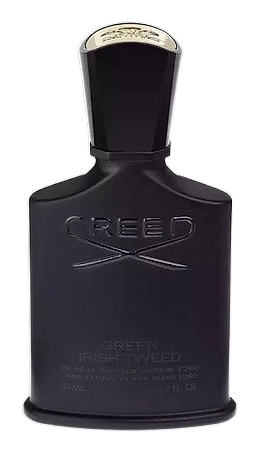
Garrigue arrived in 1988 as part of the Les Aromatiques collection, a category the house built around the idea that herbs and aromatic plants were as legitimate a fragrance family as florals or orientals. It's been quietly compared to Green Irish Tweed, released three years earlier, though the two take different routes to similar territory: Garrigue is softer, more Mediterranean, less intent on making an impression. The audience it found, and has kept, is the one that wears fragrance for themselves, not for the room.