
The Story
Why it exists.
The beginning
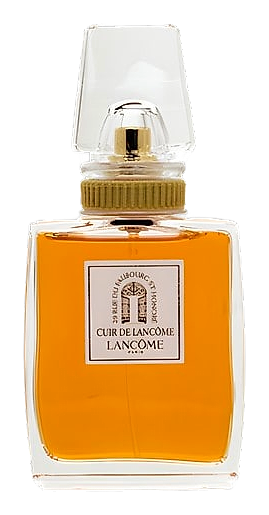
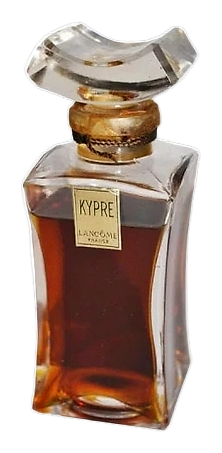
Lancôme was founded by Armand Petitjean in France in 1935. The brand debuted five fragrances at the Brussels World's Fair, and Kypre was one of them. Petitjean designed this fragrance as an embodiment of French chypre elegance, and its name itself was a tribute to this classic fragrance archetype. He envisioned a structure that captured Parisian sophistication, introducing fruity depth on a traditional mossy and woody base, showcasing the essence of French perfumery. This work quickly became one of the brand's most iconic fragrances and gained widespread recognition in the international market.
The choice of notes in Kypre reflects a deep understanding of the classic chypre structure. The combination of plum and citrus provides instant freshness upon opening while maintaining depth, while the jasmine, iris, and violet in the floral heart evoke timeless femininity. The addition of ambergris balances the floral notes with warmth, and the sandalwood, patchouli, and oakmoss in the drydown ensure structure and longevity. This carefully curated combination creates a fragrance that performs exceptionally at every stage, showcasing the artistry of traditional French perfumery while offering the modern wearer an experience that is both historically rooted and surprisingly contemporary. This carefully curated combination creates a fragrance that performs exceptionally at every stage, showcasing the artistry of traditional French perfumery while offering the modern wearer an experience that is both historically rooted and surprisingly contemporary.
The evolution
Kypre's evolution showcases a classic aromatic arc, literally beginning with a delicious combination of plum and citrus, blooming on the skin with rich and bright radiance. As the floral notes unfold, a blend of jasmine, orange blossom, and ylang-ylang takes center stage, with the powdery qualities of violet and iris adding a vintage touch. The heart notes reach their peak as ambergris brings a subtle resinous aroma. Finally, the base notes pair traditional mossy and woody elements such as oakmoss, sandalwood, patchouli, and oakmoss, forming a drydown that lasts for hours. Leather and ambergris add animalic nuances, while orris root carries the powdery feel throughout. This evolution embodies the artistry of classical French perfumery, maintaining elegant coherence at every stage, while offering a multi-layered sensory experience for the modern wearer.
Cultural impact
Kypre remains a cult classic among vintage chypre enthusiasts, often cited as a benchmark for the genre’s balance of fruit and leather. Collectors prize its rarity after the original run ended, and its powdery dry‑down still inspires modern reinterpretations. Wearers describe it as the scent of a refined Parisian soirée, a timeless piece that bridges the glamour of the 1930s with today’s understated chic.
The House
LancômeLancôme stands as one of France's most enduring luxury beauty houses, a name synonymous with elegant femininity and the art of French perfumery. Founded in 1935 by Armand Petitjean, the house emerged during economic uncertainty with a clear mission: to bring prestige back to beauty after witnessing the mass-market drift of his former employer. Today, operating under L'Oréal's luxury division, Lancôme balances heritage with modernity, crafting fragrances like La Vie Est Belle and Trésor that have become global icons while maintaining the golden rose emblem that has marked its bottles for nearly ninety years.
The Creator
Armand PetitjeanIn the lab Petitjean favored classic French ingredients—bergamot, jasmine, and oak‑aged sandalwood—paired with unexpected accents from his travels, such as Moroccan ambergris or Turkish rose oil. He built structures around a clear heart, often anchoring a fragrance with a sing…