The Story
Why it exists.
The beginning
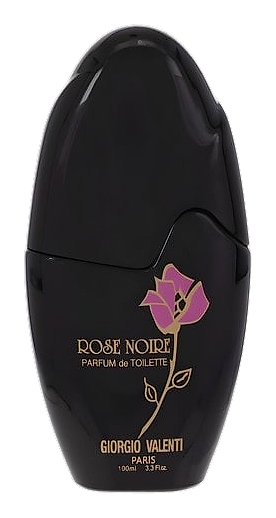
Rose Noire arrived in 1985, the debut composition from Giorgio Valenti. From the outset the fragrance reads as a deliberate statement, a confident feminine floral built around the tension between iris and oakmoss. The name says it plainly: a rose, darkened by depth rather than color. No tricks, no novelty, just a composition where restraint and structure take precedence over sweetness. The interplay between these two anchor materials, iris lending its cool, suede-like powder and oakmoss providing a green-tinged foundation, gives the whole thing its architectural weight. You can sense the intention behind every choice, the careful calibration of materials that work against each other to create something balanced and whole.
What makes Rose Noire worth a second look is the balance between its soft and structural notes. The iris delivers that cool, suede-like powder, while the oakmoss gives it gravity, a green-tinged foundation that prevents the rose from floating away. Add sandalwood and vetiver for earthy backbone, and the whole thing behaves like a chypre dressed in floral clothing. The geranium in the opening adds a green edge that cuts through the sweetness the rose might otherwise bring, sharpening the composition and keeping the floral heart from becoming too pretty.
The evolution
The opening lands immediately, geranium and bergamot cutting in with a green-citrus clarity that's brisk but not cold. Jasmine threads underneath, soft and warm, giving the early stages a soapy glow rather than a sharp one. As the composition develops, the iris arrives in full, and the fragrance shifts register: the bright top notes recede, replaced by a cool, powdery density that feels like pressing your face into a velvet curtain. The rose surfaces through the iris, never overt, always restrained, more suggestion than statement. Sandalwood and vetiver build the scaffolding beneath, adding a dry, almost mineral earthiness that keeps the powder from turning chalky. Later on, the oakmoss takes over, and the fragrance settles into its true posture: a quiet, mossy-rooted base with amber warming the edges and vanilla softening the finish.
Cultural impact
Rose Noire earns its place among fragrances that prize powder, structure, and restraint over sweetness. It's the kind of composition that wears close and rewards attention rather than projecting for a room. The iris-and-oakmoss spine gives it a classical weight, the sort of architecture that appeals to wearers who already appreciate how these materials interact and want another example done with conviction. The rose at the center never overwhelms, instead weaving through the cooler, drier elements to create something that feels both familiar and considered.