The Story
Why it exists.
The beginning
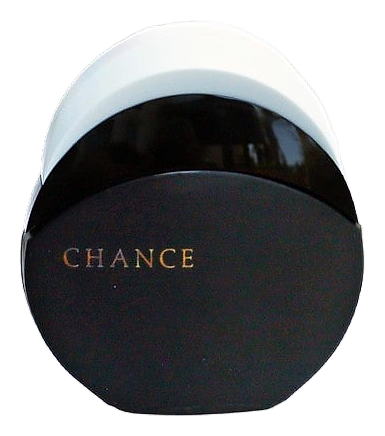
Sophia Grojsman designed Chance in 1994 as an aldehydic floral that stood apart from Geoffrey Beene's established menswear-oriented house identity. Where Grey Flannel defined the brand's aromatic restraint, Chance was the softer counterargument, still composed, still structured, but opening up into something warmer and more intimate. The name carried a quiet irony: this was the house's calculated risk in the feminine space.
What makes Chance interesting is Grojsman's use of aldehydes. She deployed that soapy, effervescent material in a warmer, more enveloping context than the Chanel template, letting it lift the florals rather than dominate them. The result is a fragrance that sparkles at the opening, then settles into a rose-peach warmth cushioned by woody depth. It's composed without being cold. The kind of construction that takes skill.
The evolution
The aldehydes hit first, bright, almost fizzy, a momentary shimmer before the florals arrive. Rose and peach emerge within minutes, supported by a warm, honeyed quality that reviewers note lingers for hours. The base is where Chance earns its staying power: woody notes that feel like the memory of something expensive. Not projection. Presence. The kind that remains on a wool blazer collar long after you've taken it off.
Cultural impact
Chance never achieved the cultural visibility of Chanel's Chance (2002), which may have created confusion at point of sale. But for those who found it, the 1994 Geoffrey Beene fragrance offered something the later Chanel never quite matched: a warmer, more enveloping aldehydic floral with real staying power. It found its audience quietly, which suits the house's ethos.