

    Brand Profile

    Geoffrey Beene was an American fashion designer who built a fragrance house distinguished by its menswear sensibility and democratic pricing…More

    United States·Est. 1963

    3.8

    Rating

    8
    Grey Flannel by Geoffrey Beene – Eau de Toilette
    Best Seller
    3.8

    Grey Flannel

    Eau de Toilette

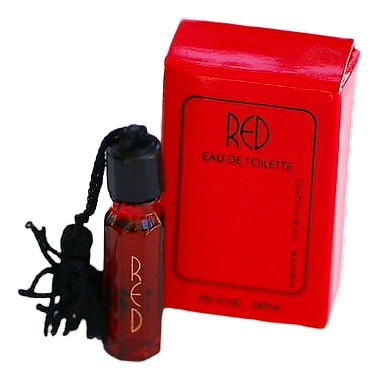
    Red Eau de Toilette by Geoffrey Beene
    Best Seller
    4.5

    Red Eau de Toilette

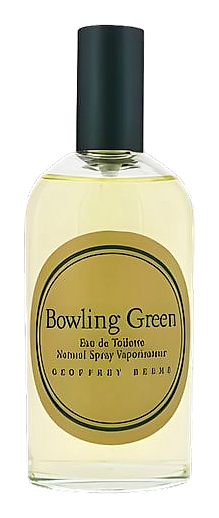
    Bowling Green by Geoffrey Beene
    Best Seller
    4.1

    Bowling Green

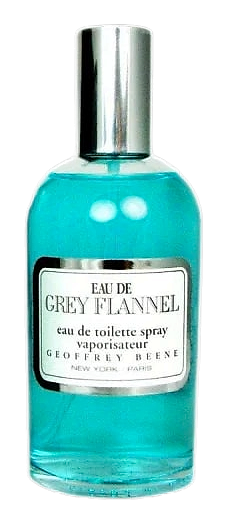
    Eau de Grey Flannel by Geoffrey Beene
    3.7

    Eau de Grey Flannel

    Geoffrey Beene by Geoffrey Beene
    3.7

    Geoffrey Beene

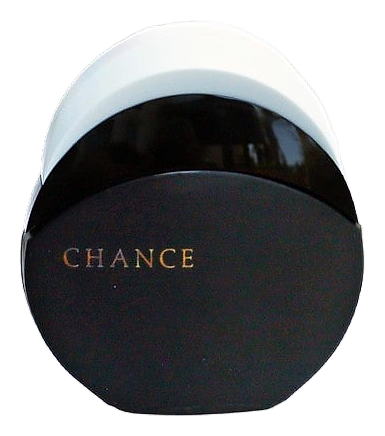
    Chance by Geoffrey Beene
    3.6

    Chance

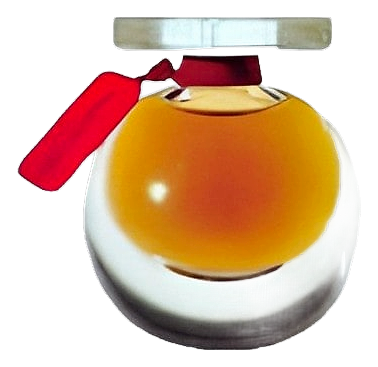
    Geoffrey Beene Perfume by Geoffrey Beene
    3.2

    Geoffrey Beene Perfume

    Red Perfume by Geoffrey Beene
    3.0

    Red Perfume

    The Heritage

    The Story of Geoffrey Beene

    Geoffrey Beene was an American fashion designer who built a fragrance house distinguished by its menswear sensibility and democratic pricing. The brand arrived in perfumery in 1971 with Geoffrey Beene Perfume, followed by the landmark Grey Flannel in 1975, an oriental woody fragrance that became a quiet bestseller for decades. Red (1976) followed, winning the Fragrance Foundation's Packaging of the Year award in 1977. The house is most recognized for translating tailored sartorial philosophy into scent, emphasizing structure, restraint, and unexpected complexity in its compositions.

    Heritage

    Geoffrey Beene was born in Haynesville, Louisiana, and trained at the Abbott School of Fashion in New York before launching his design career. In 1958, he left his position at Harmay to work with Teal Traina, acquiring invaluable experience in contemporary American fashion before founding his own firm. In 1963, Beene established Geoffrey Beene, Inc. in New York City, partnering with Leo Orlandi of Teal Traina to open operations on Seventh Avenue. The design house quickly distinguished itself with its clean architecture and unconventional materials, earning the Coty American Fashion Critics Award in 1965 and again in 1967, making him one of the youngest designers to receive the honor twice. His entry into perfumery came through a partnership with the Allen Edelmuth agency, releasing Geoffrey Beene Perfume in 1971. The breakthrough arrived in 1975 with Grey Flannel, reportedly inspired by the soft grey flannel fabric Beene favored for couture dresses. The fragrance was developed with perfumer Andre (full name not consistently documented across sources) and positioned as an accessible luxury. Red followed in 1976, paired with matching EDT, and the Fragrance Foundation recognized its packaging with a 1977 award. The brand continued releasing flankers and flankers including Eau de Grey Flannel (1997) and Geoffrey Beene (1998), operating under the Elizabeth Arden corporate umbrella until the brand ceased production in 2014.

    Craftsmanship

    The perfumer credited for Grey Flannel, Andre, composed the fragrance using a structurally traditional oriental woody format, layering bergamot, petitgrain, and neroli in the opening against a base built around reportedly oakmoss, iris root, and sandalwood (exact composition varies by source and reformulation era). The brand operated through Elizabeth Arden's manufacturing infrastructure, which provided consistent quality control and global distribution capabilities during the decades of production. Ingredients were sourced through standard industry supply chains, with no publicly documented singular sourcing specialty or boutique raw material program. The production model reflected a mainstream American fragrance house rather than a niche atelier, prioritizing reproducible batches and retail compatibility across department store environments. Quality processes followed Elizabeth Arden corporate standards, which included stability testing and regulatory compliance across international markets.

    Design Language

    Grey Flannel's bottle design exemplifies the house aesthetic: a rectangular faceted vessel with a substantial cap, finished in muted graphite or forest green depending on the edition. The packaging used muted, slate-forward color coding that visually echoed grey flannel fabric, anchoring the menswear connection at point of sale. Red (1976) presented a crimson-labeled companion bottle sharing the same architectural vocabulary, demonstrating coherent brand identity across gender lines. Typography was spare and modern, favoring sans-serif letterforms and generous negative space. The overall visual language communicated tailored sophistication without ostentation, appropriate for a designer whose gowns were worn by First Ladies but whose ready-to-wear lines were priced for broad accessibility. Point-of-sale materials and advertising maintained this restrained editorial quality through the brand's active years.

    Philosophy

    Geoffrey Beene approached fragrances the way he approached fashion: with emphasis on construction over ornamentation, and an insistence that restraint signals confidence. His scents are built on the premise that menswear fabrics, particularly soft wools and flannels, carry an inherent olfactory character worth translating into perfume. The house rejected florals-heavy feminine conventions in favor of green, woody, and aromatic compositions that read as tailored rather than decorative. Beene reportedly believed fragrance should function like a signature suit, worn daily without ceremony, present but never overwhelming. His packaging reflected this philosophy in its clean rectangular forms and muted color palettes, optimized for functional display rather than aspirational display. The brand maintained that quality should be accessible, keeping fragrance prices modest compared to European competitors throughout its run.

    Key Milestones

    1963

    Geoffrey Beene, Inc. founded in New York City on Seventh Avenue, in partnership with Leo Orlandi

    1971

    First fragrance, Geoffrey Beene Perfume, released through Edelmuth Associates

    1975

    Grey Flannel launched, becoming the house's signature fragrance; composed by perfumer Andre

    1976

    Red fragrance released for women; Red EDT for men also introduced

    1977

    Red wins Fragrance Foundation Packaging of the Year award in the Women's category

    1986

    Bowling Green fragrance added to the portfolio

    At a Glance

    Brand profile snapshot

    Origin

    United States

    Founded

    1963

    Heritage

    63

    Years active

    Collection

    1

    Fragrances released

    Avg Rating

    3.8

    Community sentiment

    Release Rhythm

    1998
    1
    1997
    1
    1994
    1
    1986
    1
    1976
    2
    1975
    1
    1971
    1

    Did You Know?

    Interesting Facts

    Distinctive details and defining moments that shape the house personality.

    01

    Geoffrey Beene became the youngest designer to win the Coty American Fashion Critics Award twice, first at age 28 in 1965, then again in 1967

    02

    Grey Flannel was reportedly named because Beene loved the feel of soft grey flannel and wanted to translate that textural quality into scent

    03

    Red won the 1977 Fragrance Foundation Packaging of the Year award for Women's fragrance, validating the house's design-forward approach to cosmetics

    04

    The brand maintained a dual personality: couture gowns for society occasions and mass-market fragrance priced atdrugstore accessibility

    05

    Beene dressed multiple First Ladies, including Nancy Reagan, while simultaneously building a fragrance business centered on approachable luxury

    The Artisans

    The Perfumers