The Story
Why it exists.
The beginning
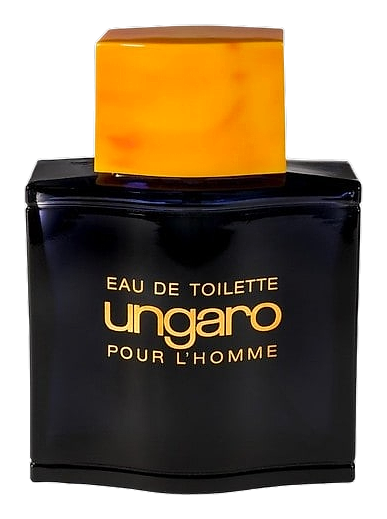
Ungaro pour L'Homme II arrived in 1992 under the Emanuel Ungaro label, and the brief seems clear from the composition itself: a spicier, more sensual direction than the typical men's aromatic release of its time. The house brought in Jacques Polge to compose the juice, and his task appears to have been building a gentleman's cologne that still had teeth. The result leans spicier and more animalic than most debuts of the era, trading clean transparency for carnation, civet, and a benzoin-vanilla warmth that turns the whole composition inward. The opening is brisk and herbal, almost a classic fougère splash, but the drydown belongs to the resinous base, and that contrast is what gives the fragrance its particular pull.
What makes this composition interesting is the way it balances two poles of masculine perfumery. The top is a traditional aromatica, lavender, bergamot, neroli, basil, built to be immediately likeable. The heart pulls older and stranger: carnation with its clove-warmth and slightly medicinal edge, orris root for that powdery sophistication, and black pepper cutting through the florals. The base goes full classic with civet, paired with vanilla, tonka, sandalwood, and leather.
The evolution
The opening belongs entirely to the citrus and herbal top: lemon, bergamot, neroli, basil and coriander land bright and clean, almost a classic cologne splash. Lavender is the bridge, softening the citrus into the aromatic heart without losing its lift. As the composition settles, the carnation arrives with its clove-warmth and slightly medicinal edge, joined by geranium, jasmine, and rose for a dense floral phase that genuinely feels like a different fragrance than the opening. Orris adds that powdery, almost lipstick-like texture, while ginger and black pepper keep it from going too pretty. The civet shows up once the florals have bloomed and changes the temperature. It adds a musky, slightly animal breath underneath the florals, which is what gives the heart its slightly dangerous edge.
Cultural impact
Ungaro pour L'Homme II sits in an interesting place in early-1990s masculine perfumery. The civet note in the base is what separates it from its peers, and it's the note wearers tend to circle back to when describing the fragrance. It pulls from a spice-and-animalic tradition that older masculine perfumery had long claimed, and it does so without apology. The opening is bright enough to wear in daylight, but the drydown settles into something more suited to evening, cooler weather, and occasions where you want the scent to do some of the talking for you.