
The Story
Why it exists.
The beginning
Rapsodija means rhapsody, and there's something fitting about that for a Latvian chypre that arrived in 1959. Bronislava Schwarzman and Liliya Osipova composed it during the late 1950s, and the perfume takes the classic French chypre skeleton and tilts it north. The result is a fragrance that seems genuinely uncertain about its own intentions. Bergamot opens bright and almost tart, but civet moves in early, dragging the temperature down before the florals have settled. Sweet florals warm the heart, but the spine stays glacial. Musk builds underneath, cool and slightly animalic, giving the whole composition a shivery quality that refuses to resolve into comfort. The oakmoss drydown is bitter and green, the kind of moss that grows on cold stone rather than warm forest floor.
What makes this composition worth studying is how the two perfumers handled the tension between warmth and distance. The animalic thread runs straight through from the heart into the drydown, and it never fully retreats. The orris root adds a violet-tinged powder that reads almost mineral when paired with the musk, creating a suede-like coolness rather than a soft, feminine haze. Rose and jasmine sit in the heart, dewy and slightly indolic, but civet keeps nudging them toward something rawer. Tonka bean and ambergris anchor everything in a sweet amber base, but never let it feel cozy.
The evolution
The first thirty minutes belong to bergamot and clover, bright and almost dewy before the jasmine starts threading in underneath. By the one-hour mark the heart has taken over: cherry and rose sit alongside ylang-ylang, with orris root lending its powdery violet register and vetiver keeping the whole thing from going soft. The spiciness is subtle but persistent, a warmth at the edges rather than a hit of pepper. Around the three-hour mark something shifts. The florals recede and the base takes its real shape. Tonka bean sweetens while oakmoss brings its bitter green, and the civet wakes up. There's a slightly rough, almost animal quality here that some wearers love and others find off-putting. The musk carries it forward through hours four and five, cool and clean against the ambergris warmth. By hour six it's a skin scent, mostly ambergris and a ghost of civet, still readable on a scarf the next morning. The coolness that defined the opening never fully leaves. Even in the drydown there's a sense of distance, of someone who let you close but not all the way in.
Cultural impact
Rapsodija sits in a particular niche as a 1959 Latvian chypre that carries the structural DNA of French chypres from the previous decade but runs cooler throughout its construction. The civet presence feels almost modern by mid-century standards, giving it an animalic backbone that distinguishes it from softer, more powdery chypres of the same era. It has the green character of the genre, that mossy-bitter signature that defines chypre, but the cool Baltic sensibility reshapes it into something more austere.
The House
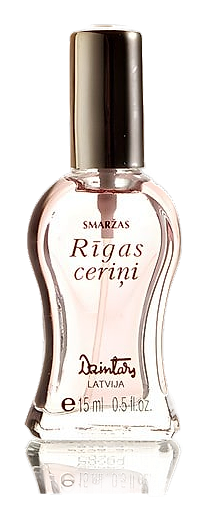
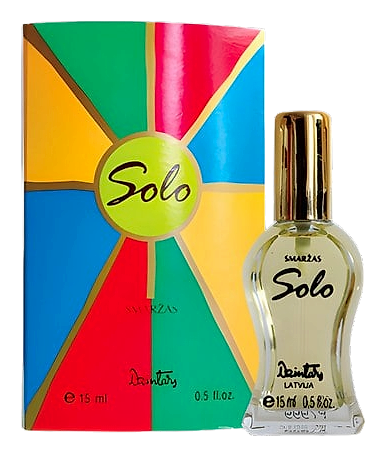
DzintarsDzintars is a Latvian perfume house that has been creating fragrances for nearly a century. Founded in Riga in the early 1920s, the brand survived the upheavals of World War II, Soviet nationalisation and the re‑establishment of Latvia’s independence. Its catalogue includes more than two hundred scents, ranging from classic fougère blends to aromatic compositions that echo the Baltic landscape. Dzintars remains a familiar name in Eastern Europe, where many of its vintage releases are still recognised by collectors.
The Creator
Bronislava Schwarzman & Liliya OsipovaHer signature technique involves layering aldehydic brightness over structured florals, creating an effect that feels both vintage and surprisingly modern. Schwarzman favored ingredients with clear, assertive characters: pine needles, lilac, violet, and lily-of-the-valley appe…