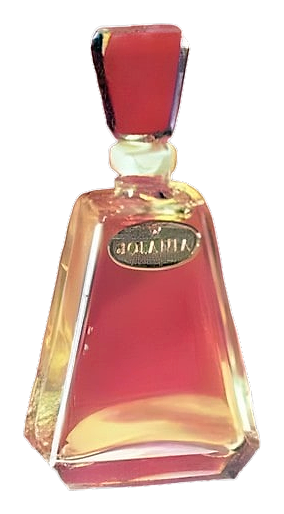

The Story
Why it exists.
The beginning
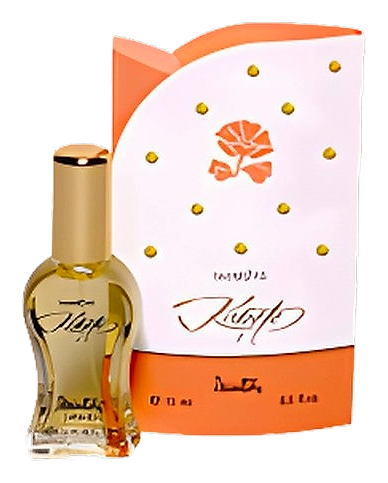
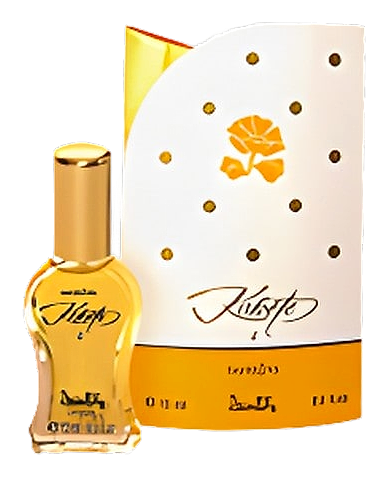
Jolanta arrived in 1965 from the Riga workshop of Dzintars, a house whose perfumer Bronislava Schwarzman composed it in a style that has aged into something almost archival. The composition is an Oriental Floral in the heavy, unapologetic mode of mid-century perfumery, dense with white florals, warmed by hay, and anchored in the kind of base that refuses to leave the room quietly. Jolanta is named with a softness that its character does not entirely support. The name suggests romance, gentleness, a lyrical heroine. The juice inside suggests something with more backbone, the floral equivalent of a woman who has already decided and is simply waiting for everyone else to catch up. It was never going to be subtle.
What makes Jolanta structurally interesting is the use of hay at the opening. Hay brings a dry, coumarin-rich warmth that bridges the gap between the bright bergamot and the narcotic tuberose, giving the top phase a sense of sunlit storage rather than fresh air. It is an agricultural note in a composition otherwise dominated by white florals and animalic base, and it anchors the whole thing in something physical and grounded. The hay does more than decorate the opening, though.
The evolution
The first thirty minutes are dominated by tuberose and hay, a dense, almost farm-adjacent white floral that feels like walking into a warm barn full of drying grasses and crushed petals. Bergamot tries to lift the corners but the hay keeps pulling everything back to earth. Violet adds a soft, powdery edge that softens what could otherwise feel overwhelming. The heart arrives slowly, maybe forty-five minutes in, and it is here that the jasmine and rose begin to argue with the ylang-ylang for dominance, all three swelling into a narcotic, indolic cloud that is unmistakably old-school European perfumery. Clary sage provides a brief herbal coolness, a kind of green exhale between the heavier florals. Vetiver underneath gives the whole phase a damp, rooty gravity. Then the base takes over, and it does not leave. Civet arrives with its warm, slightly soiled hum, sitting beneath amber and musk in a combination that smells like warm skin on fabric that has been worn all day.
Cultural impact
Jolanta belongs to a category of mid-century Soviet-era florals that enthusiasts often situate alongside Krasnaya Moskva (Red Moscow) as a fellow representative of that lineage of heavy, unapologetic florals from the region. The fragrance has the profile of something that was never meant to be subtle, and that, for a certain kind of wearer, is precisely the appeal. The comparison to Krasnaya Moskva is instructive because both compositions share an emphasis on density, on the idea that a perfume should fill a room and linger in memory rather than disappear politely after a brief appearance.
The House
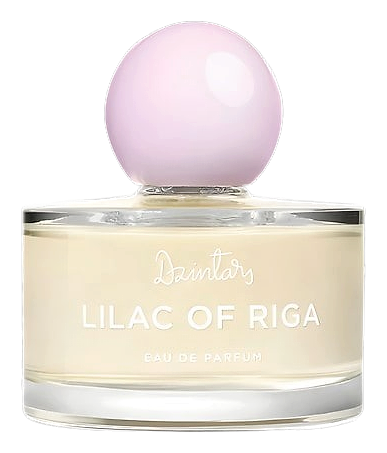
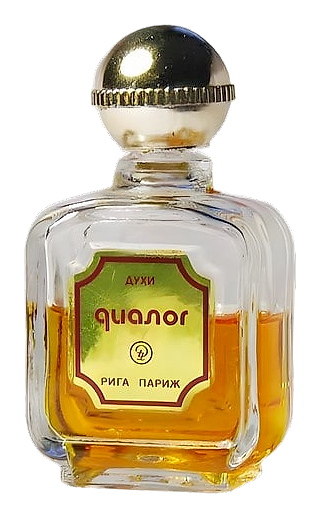
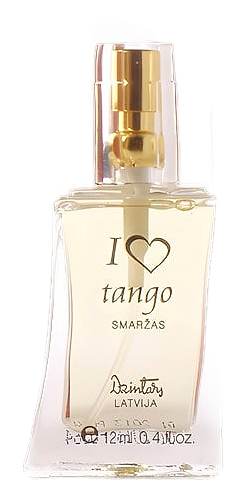
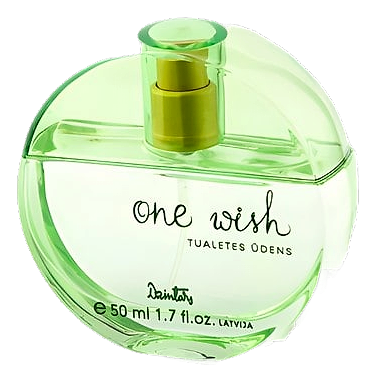
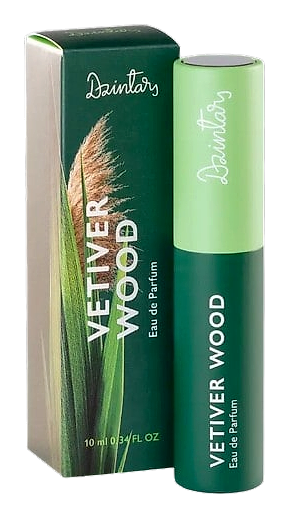
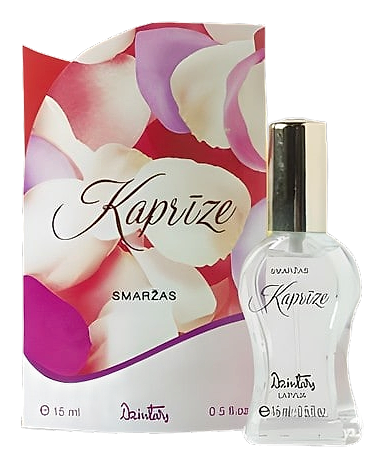
DzintarsDzintars is a Latvian perfume house that has been creating fragrances for nearly a century. Founded in Riga in the early 1920s, the brand survived the upheavals of World War II, Soviet nationalisation and the re‑establishment of Latvia’s independence. Its catalogue includes more than two hundred scents, ranging from classic fougère blends to aromatic compositions that echo the Baltic landscape. Dzintars remains a familiar name in Eastern Europe, where many of its vintage releases are still recognised by collectors.
The Creator
Bronislava SchwarzmanHer signature technique involves layering aldehydic brightness over structured florals, creating an effect that feels both vintage and surprisingly modern. Schwarzman favored ingredients with clear, assertive characters: pine needles, lilac, violet, and lily-of-the-valley appe…