The Story
Why it exists.
The beginning
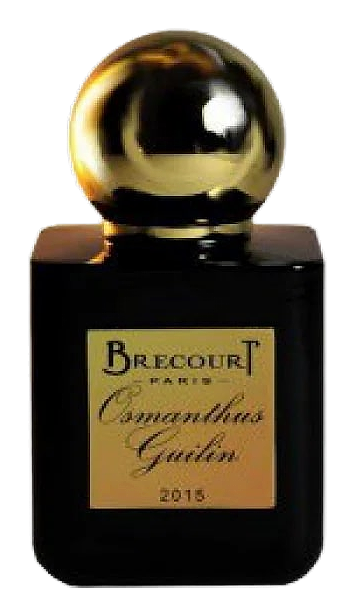
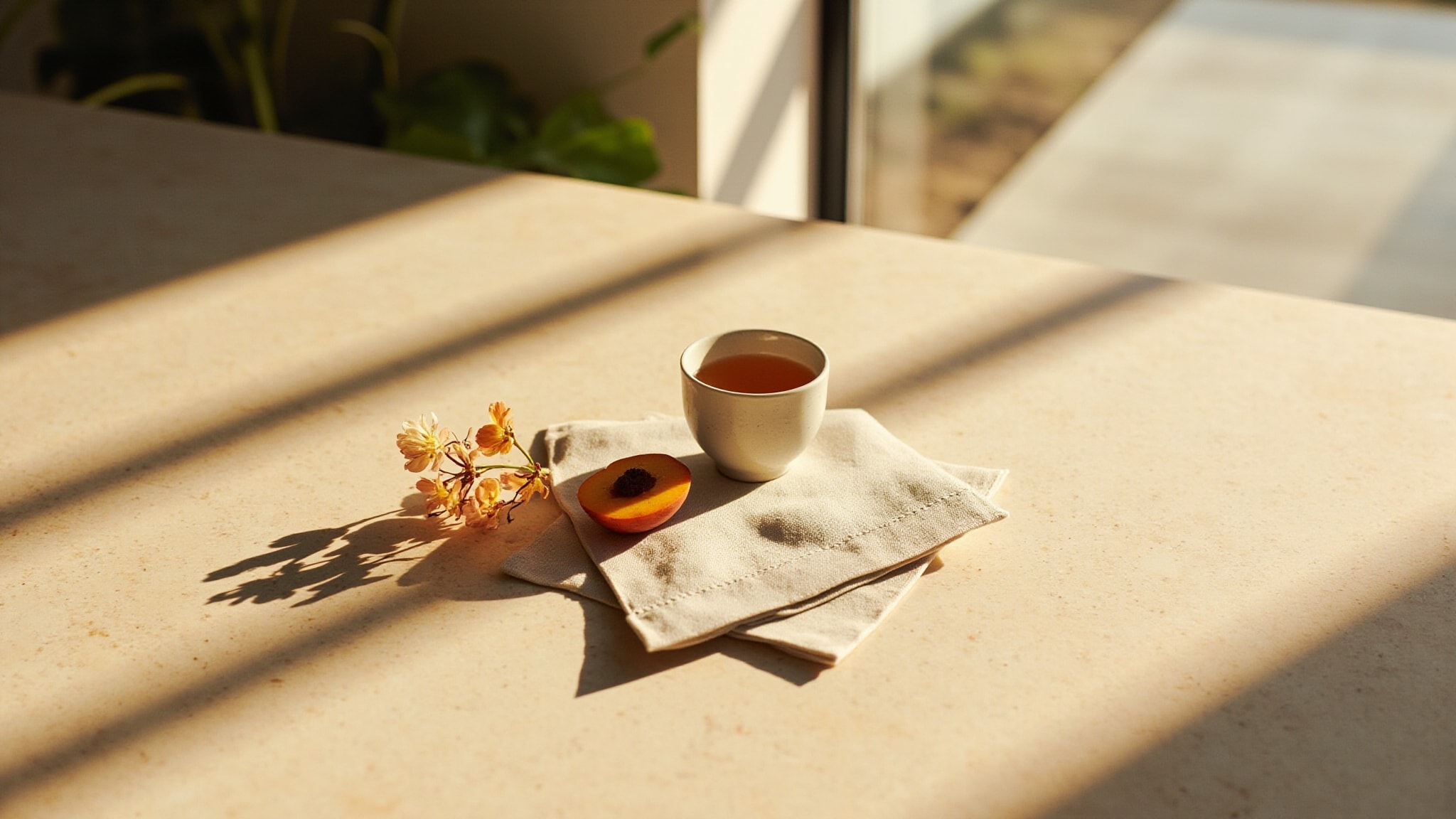
Emilie Bouge added Osmanthus Guilin to a French catalogue that had begun years earlier in Paris. The fragrance takes its name from Guilin, the Chinese city famous for its osmanthus harvests. Bouge built the composition as a postcard to that place, the moment when petals bruise into tea-colored sweetness. She worked to give the composition a taste that felt greener and more edible than typical florals, settling on something structured and spacious rather than syrupy or heavy. Treated like a still life rather than a flower bouquet, it stands beside other compositions in the line that explore fruit, green leaves, and watery woods without drifting into sweets or syrups.
The distinctive choice here is restraint around an ingredient that rarely gets it. Bouge keeps the dose controlled, letting tea and bergamot open the door and peach arrive at the threshold rather than flooding the room. The result reads more like a walk through an orchard than a bottle of syrup. The florals underneath (tuberose, jasmine sambac, violet) stay in support, adding cream and a faint powder rather than competing for attention. Cashmere wood and labdanum anchor the base without darkening it, which preserves the green-fruited character through the drydown. Nothing shouts.
The evolution
The first thirty minutes read almost like a cold tea, bergamot and orange blossom pulling the air taut before osmanthus settles in with its bruised-peach sweetness. By the one-hour mark, tuberose and jasmine sambac have crept forward, giving the composition a creamy waist that softens the fruit into something more floral than edible. Violet arrives quietly here, lending a powdery undertone without ever tipping into lipstick territory. Around the three-hour mark, the green top notes have mostly evaporated and the composition tilts warmer. Peach lingers as a memory rather than a presence, and the cashmere wood begins to show its grain. Sandalwood and labdanum take over, carrying the scent into a close, skin-warm drydown. On fabric the next morning, what remains is a faint musk-amber trace, more suggestion than statement.
Cultural impact
Within the modest catalogue, Osmanthus Guilin sits as the clearest expression of the house's floral lean, a counterpart to the warmer territory explored in other releases. It reads as a fragrance that takes its own osmanthus material seriously, treating it as a centerpiece rather than a supporting accent. The choice to keep the dose controlled, letting tea and bergamot frame the fruit rather than smother it, marks it as an unusually patient treatment of an ingredient that often gets heavy-handed in commercial work.