The Story
Why it exists.
The beginning
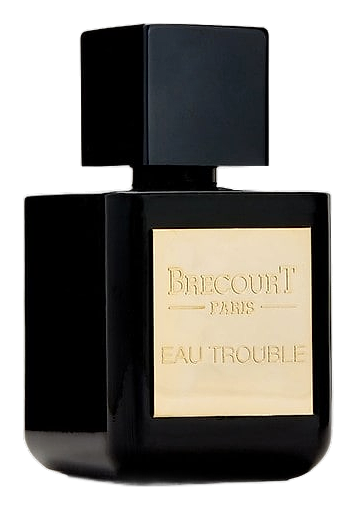
Eau Trouble arrived as part of Brecourt's collection, a group of fragrances developed by Emilie Bouge in Paris. The name carries its own ambiguity: trouble that reads as invitation, not warning. Bouge designed this for the kind of woman whose complexity doesn't announce itself. She wanted a scent that could hold powdery florals and smoky incense in the same breath without either winning outright. The result is a fragrance that behaves like its wearer knows exactly what she's doing, and isn't in any rush to explain it. The powdery florals shimmer with a translucent quality, as if dusted with light, while the smoky incense grounds the composition with an almost meditative depth.
What makes Eau Trouble interesting is how it refuses the obvious move. Powdery florals usually soften into something safe and agreeable. Here, Bouge threaded frankincense through the heliotrope and tea, adding a smoky, almost mineral counterpoint that keeps the sweetness from becoming precious. The carrot in the opening reinforces this, green and slightly earthy, a counterweight to the tangerine's brightness.
The evolution
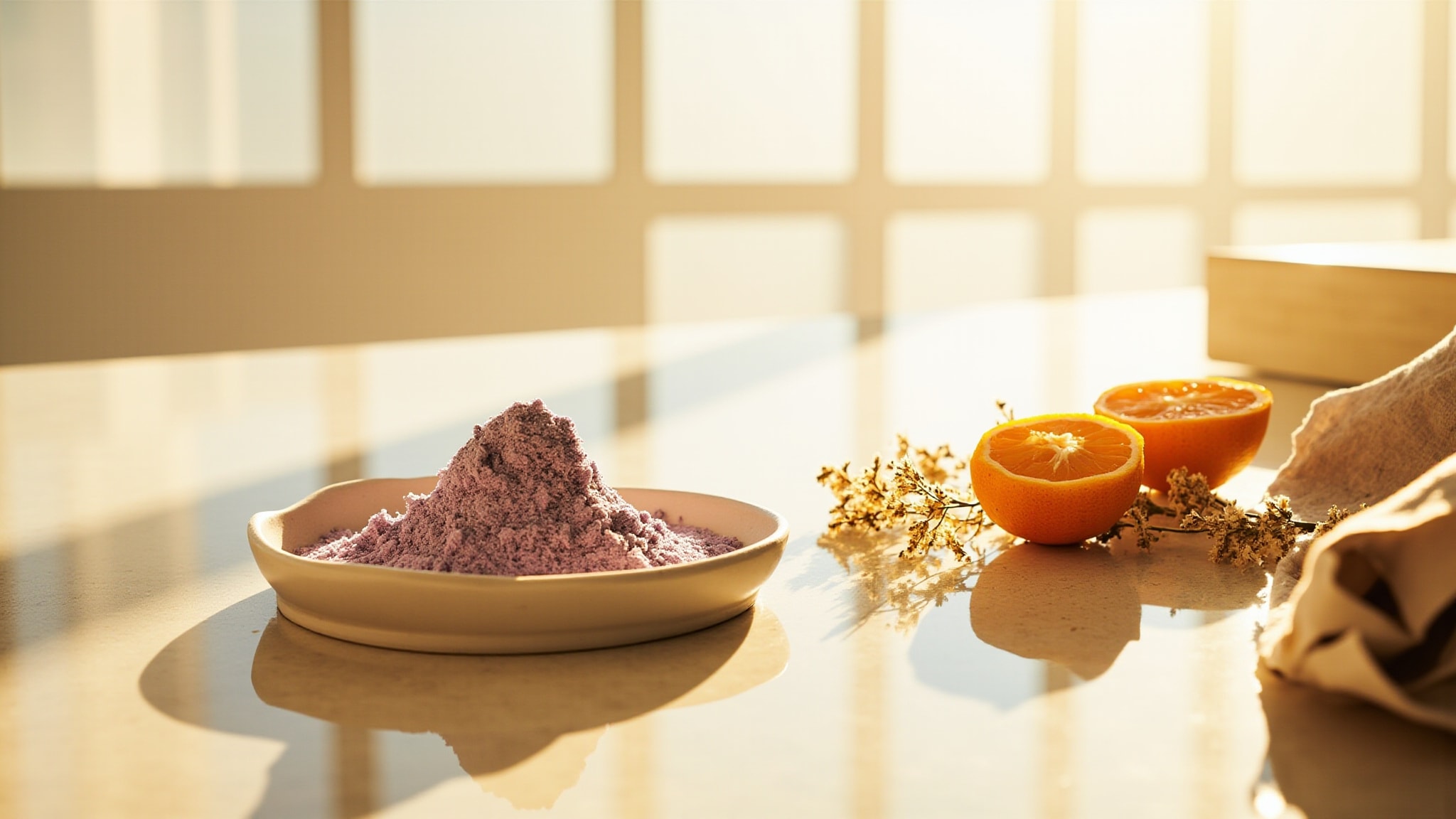
The opening introduces tangerine and carrot arriving quick, the frankincense slipping in before you quite register it. The citrus brightness of the tangerine immediately gives way to the green, slightly earthy quality of the carrot, creating an unexpected freshness that prevents the fragrance from opening too sweetly. The frankincense arrives subtly, its smoky resinousness threading through the composition like a whisper rather than a shout. Soon the heart takes over: heliotrope's powdery sweetness softened by tea's quiet bitterness. This is where the fragrance earns its name, there's something unresolved here, a tension between softness and smoke that doesn't fully resolve. The heliotrope and tea create a beautiful duality, the former offering powdery comfort while the latter provides a subtle astringency that keeps everything from becoming too soft.
Cultural impact
Eau Trouble occupies an interesting position in the niche fragrance landscape, occupying space between the conventional and the distinctive. The powdery-woody structure places it in conversation with Iris Nobile and Infusion d'Iris, creating a dialogue about how iris can be expressed across different compositions. The frankincense addition gives it a different character than those predecessors, something that speaks to those who appreciate complexity over simplicity.