
The Story
Why it exists.
The beginning
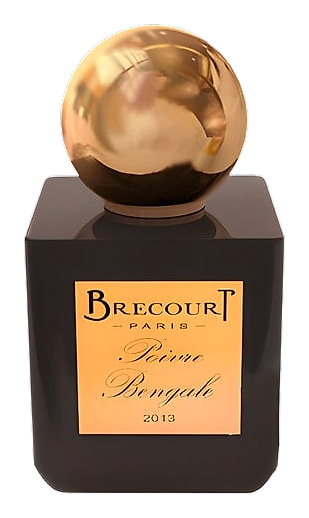
Poivre Bengale translates from the French as Bengal pepper, and the fragrance is Brecourt's portrait of India as the great spice crossroads. Emilie Bouge composed the scent, and with Poivre Bengale she turned her attention south and east, centering Indian pepper as the structural anchor of the composition. The fragrance names the place before the first spray, and Bouge builds the rest of the composition in service of that single ingredient. Black pepper, ginger, clove absolute, nutmeg and sandalwood form the named note pyramid, but the pepper is clearly the lead voice, a sharp aromatic crack that cuts through every phase of the wear. The opening reads almost brittle, the ginger close to the compost, a cool heat rather than rooty sweetness.
The interesting move here is restraint. Poivre Bengale opens with just two top notes and three heart notes, and it trusts them. Clove absolute gives the heart its bruised warmth, while a measured dose of nutmeg adds its woody sweetness without veering into baked-good territory. Sandalwood appears early in the structure, bridging the spicy heart into the base. That structural choice gives the composition a softness the opening would otherwise lack. The bones are visible, and the named notes are allowed to do real work rather than serving as decorative labels.
The evolution
The first thirty seconds are sharp. Black pepper and ginger arrive together in a bright, almost brittle burst, the ginger reading as cool heat rather than rooty sweetness. There is no citrus cushion underneath, no green leaf to soften the landing. Within ten minutes the ginger recedes and the clove absolute opens, dense and slightly sweet, the way a spice market smells before anyone notices they are standing inside the stall. Nutmeg weaves through next, adding its soft, woody curve. As the wear deepens, the composition pivots into its later phase. Sandalwood, which had been shadowing the heart, steps forward alongside a dry leather note. Ambergris gives the drydown its animalic edge, a salt-tinged warmth that reads almost like skin after spice. The cashmere wood underneath stays plush but dry, like the lining of a coat you keep meaning to repair.
Cultural impact
Poivre Bengale has earned a quiet following among wearers who like their spicy orientals with clarity rather than theatrical density. The fragrance reads as a portrait of a single spice, and the named note pyramid (black pepper, ginger, clove absolute, nutmeg, sandalwood, leather, ambergris and cashmere wood) gives every material a specific structural job. Wearers tend to describe it as a scent for people who already know they like spice, then find a leather-ambergris drydown they did not expect.
The House
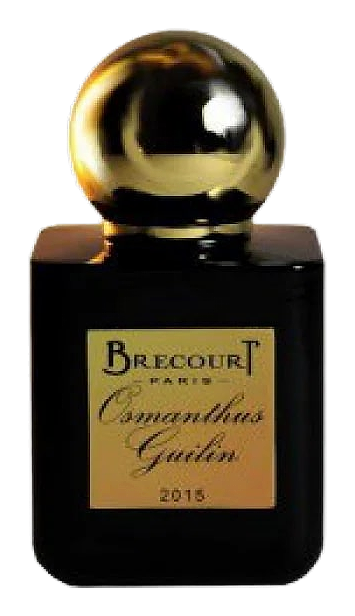
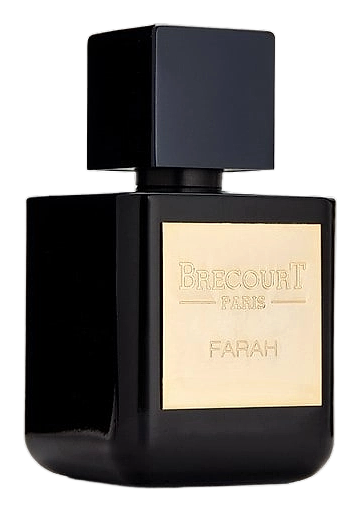
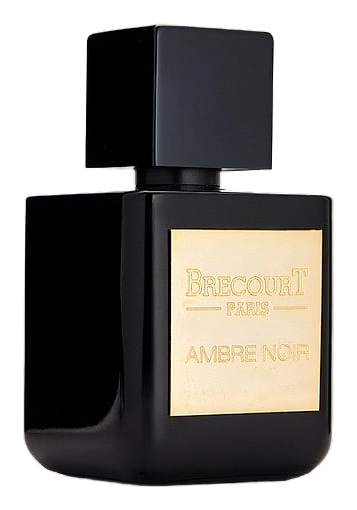
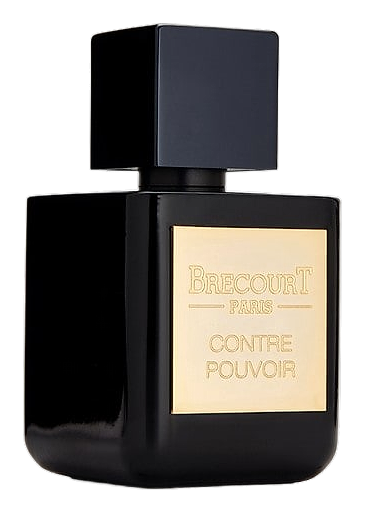
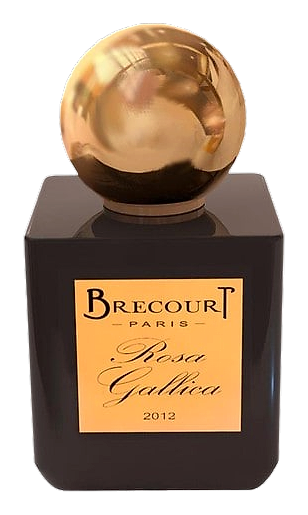
BrecourtBrecourt is a French niche perfume house that emerged in Paris in 2010. Founded by perfumer Emilie Bouge, the brand quickly built a modest catalogue that includes Farah, Contre Pouvoir and Ambre Noir from its launch year, followed by Rosa Gallica, Osmanthus Guilin and others. Brecourt’s scents are known for clear structures and a quiet confidence that appeals to collectors who value craftsmanship over hype.
The Creator
Emilie BougeEmilie favors natural absolutes and high‑quality synthetics that mimic nature’s depth. She layers citrus top notes with aromatic herbs, then grounds them in cedar, sandalwood or guaiac.