
The Story
Why it exists.
The beginning
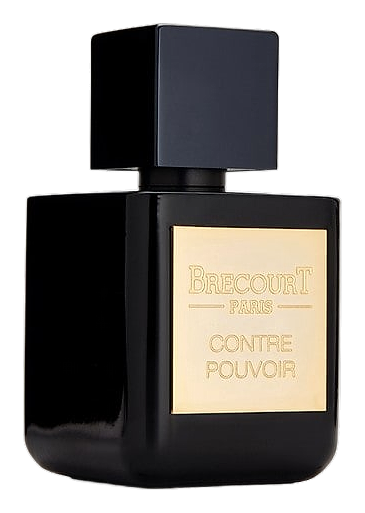
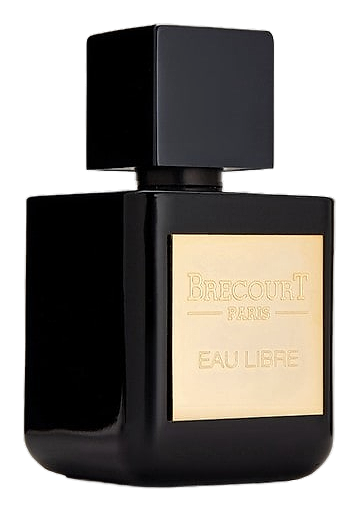
Eau Libre arrived in 2010 as part of La Seduction, Emilie Bouge's collection for Brecourt, a year that also brought Farah, Contre Pouvoir, and Ambre Noir. Where those scents explored weight and presence, Eau Libre went the other direction: transparent, open. The official framing spoke of fruits and green accords releasing a marine, floral note. The name suggests freedom and openness, a lightness that sets it apart from its more substantial companions in the line.
What makes Eau Libre work is the marine transparency threaded through the mint and citrus, not sitting on top of everything like a gimmick, but woven through. That thread prevents the mint from going full toothpaste, keeps the citrus from reading like cleaning product, and gives the whole composition a surprising coherence. The curly mint in the heart is unusual; paired with aquatic notes and jasmine, it becomes something cooler and stranger than the usual aromatic-fresh playbook.
The evolution
The bergamot and grapefruit arrive clean, immediate, no drama. Within minutes the rosemary shows up alongside, adding a dry herbal edge that steadies the citrus. The pepper arrives quietly, tingly, not aggressive. Then the heart: mint and marine notes take over, the florals barely there, just a whisper of geranium keeping things grounded. By hour two, the citrus has faded and the woody-musky base moves in, sandalwood, amber, something close and warm that lingers another few hours. The evolution isn't dramatic. It's a straight line from brightness to quietude.
Cultural impact
Eau Libre occupies a quiet corner of the aromatic-aquatic category. The 2010 release places it among the first wave of Brecourt's catalog. Community reception has been moderate, with mixed votes on its overall appeal. The fragrance does not polarize or dominate a room, but offers a clean, understated presence that some wearers find consistent over time.