The Story
Why it exists.
The beginning
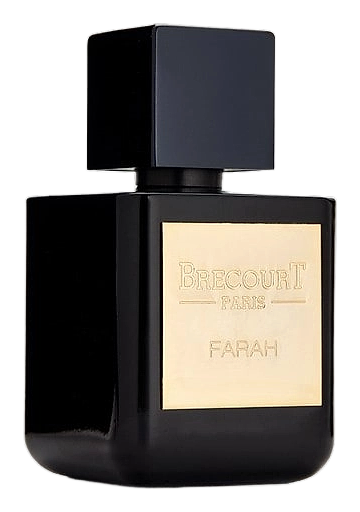
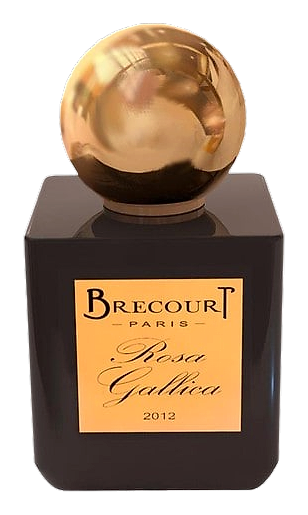
Rosa Gallica was Emilie Bouge's 2012 addition to the Brecourt line, a study in what the classic gallic rose becomes when it stops apologizing. Named after an ancient rose cultivar rather than a trend, the fragrance takes its material seriously. Bouge had already established the house's rhythm by then: Farah, Contre Pouvoir, Ambre Noir, each one a clear, intentional statement. Rosa Gallica continued that thread, turning toward floral not as a soft option but as a structural one. The gallic rose at its center is an older, more complex material than the hybrid teas that dominate most rose fragrances. Less sweet. More honest. Bouge built around that character instead of softening it.
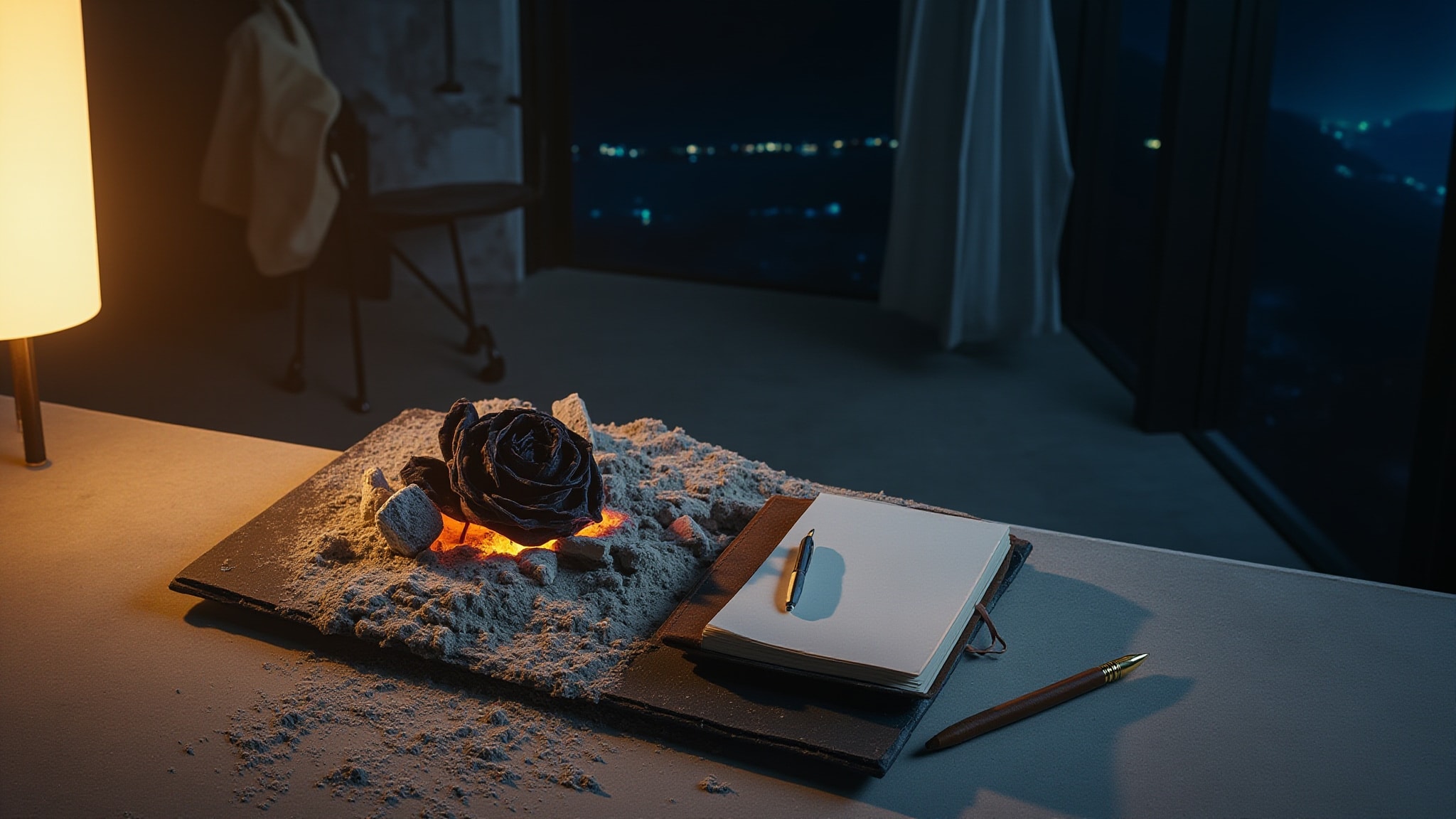
What makes the pyramid interesting is the way smoke and resin arrive first, the rose doesn't announce itself. Pink pepper opens bright and sharp, frankincense follows with its smoky, slightly medicinal warmth, and for the first fifteen minutes the composition reads almost confrontational. Then the gallic rose emerges, not replacing the smoke but weaving through it. Myrrh adds a balsamic sweetness that bridges the gap between the austere opening and the dark, soft base. Cashmere wood and ebony tree keep the drydown grounded, warm without being sweet, resinous without being heavy.
The evolution
Pink pepper and frankincense arrive together, bright, sharp, slightly acrid. The smoke doesn't build gradually; it announces itself in the first minute. This opening phase lasts about fifteen minutes before the gallic rose begins to surface through the haze. Not a gentle transition. The rose pushes through the smoke like something that refuses to be buried. The heart phase is where this fragrance earns its name. Gallic rose and myrrh create a warm, slightly medicinal sweetness that deepens over the next several hours. The myrrh doesn't sweeten the rose, it amplifies its complexity, adding a resinous depth that makes the floral note feel older, more considered. The drydown arrives quietly. Cashmere wood and ebony tree settle close to the skin, creating a warm, woody base that lingers. The ambergris adds a marine-animalic quality that most people won't identify by name but will feel as a quiet warmth that stays intimate and close.
Cultural impact
Rosa Gallica arrived as part of Brecourt's carefully curated collection, a house dedicated to narrative-driven compositions. The fragrance offered a distinctive take on rose by positioning it as an architectural element rather than a romantic centerpiece. Its smoke-forward opening, the way the gallic rose weaves through resinous depths, and the warm, grounded base set it apart from sweeter interpretations. This austere approach to floral composition appealed to wearers seeking rose without conventional sweetness, marking the scent as a quiet alternative in a landscape of more conventional offerings.