Ebony Tree
Ebony is perfumery's most compelling illusion—a dark wood note with no natural oil. Perfumers reconstruct its dense, smoky character from entirely different botanicals to achieve something the tree itself never provided.
Character
How it smells
The wood you smell in perfume never existed in nature.
Ebony wood is so dense it can sink in water, yet this hardness means it yields no essential oil—making every ebony note in fragrance a perfumer's invention.







Origin
Indonesia
Ebony has been treasured since antiquity. Ancient Egyptians carved ebony into furniture and sarcophagi for pharaohs, considering it a material for the divine. Roman writers documented ebony furniture in wealthy homes, often inlaid with ivory.
In India and Southeast Asia, ebony was reserved for royalty and sacred objects. The wood's near-black color, fine grain, and exceptional durability made it a symbol of permanence and power. When modern perfumery sought to capture 'dark wood' in fragrance, ebony's name became shorthand for that sensory ideal—a note associated with luxury, depth, and mystery.
The name persists in fragrance pyramids today, even though perfumers work entirely with other materials to evoke the impression ebony created in the ancient world.
Wears it best
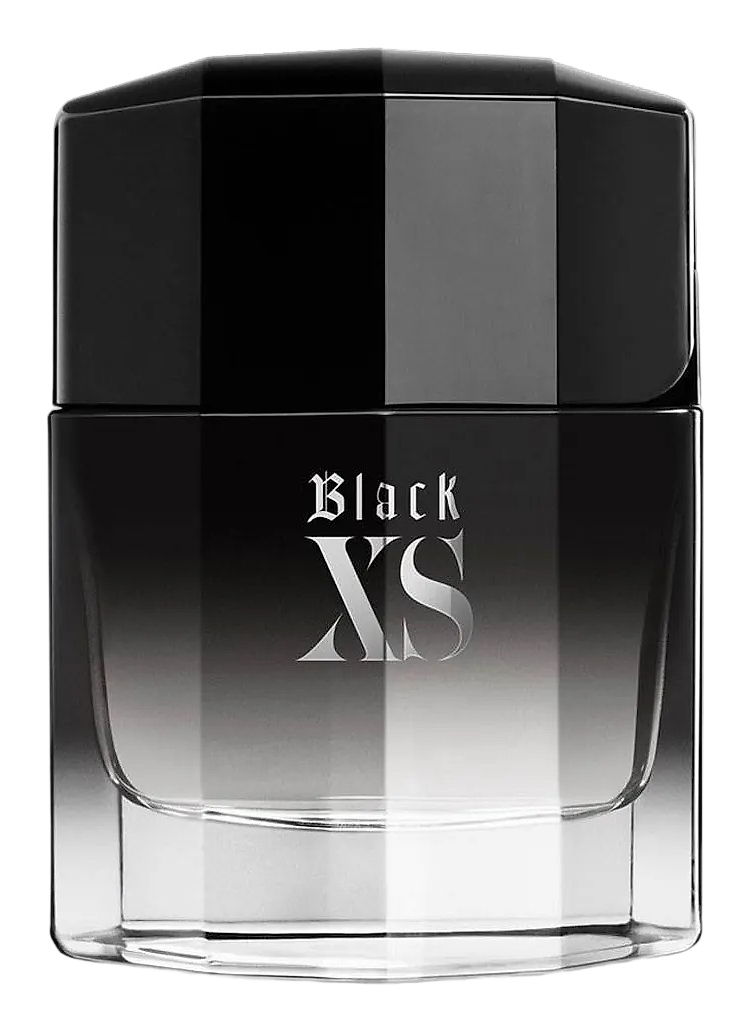
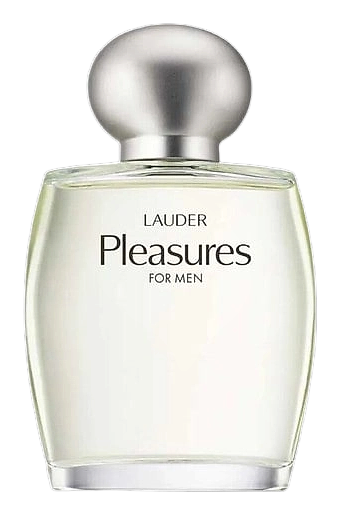
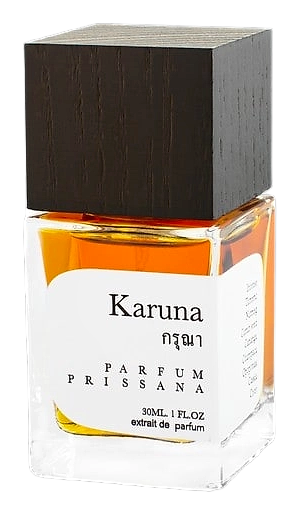
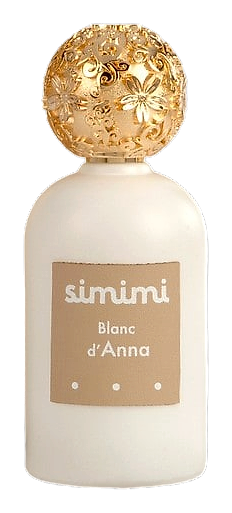
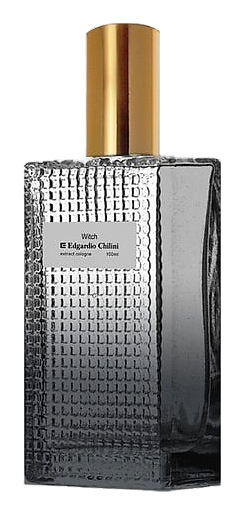
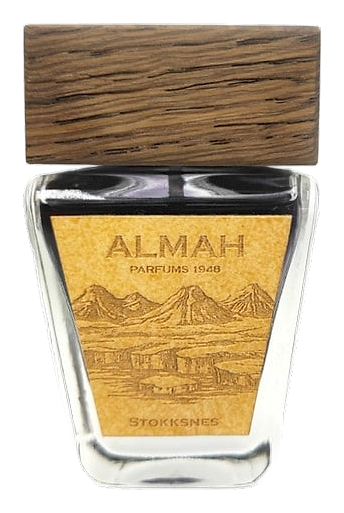
Fragrances featuring Ebony Tree
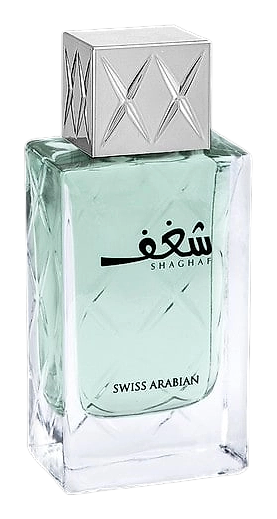
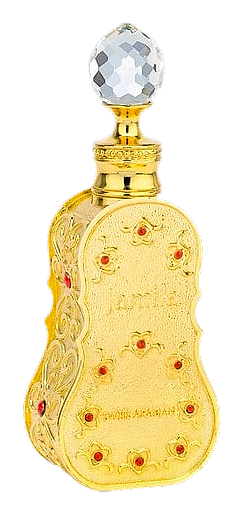
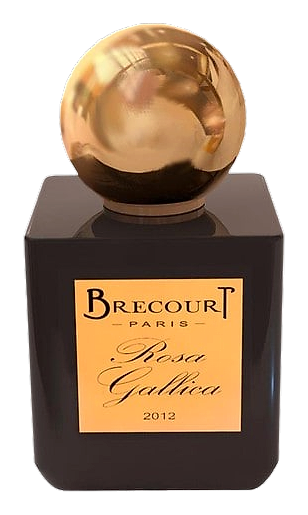
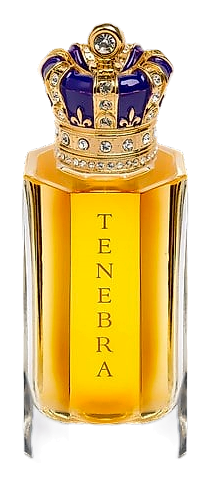
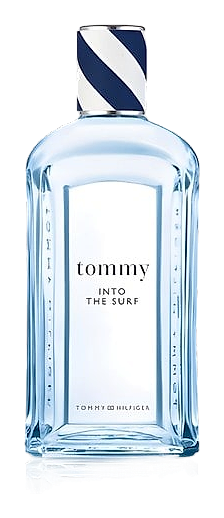
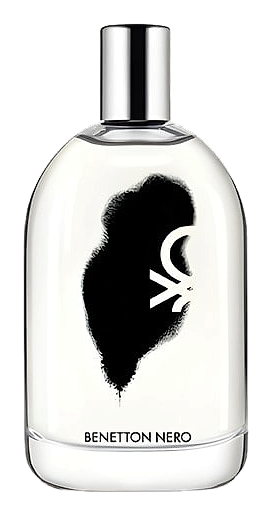
Brands
Brands known for Ebony Tree
Good to know
Questions, answered
The essentials on Ebony Tree in perfumery: how it smells, where it comes from, and how it behaves on skin.
What is ebony in perfumery?
Ebony is a reconstructed fragrance note. There is no natural ebony essential oil. Perfumers build the accord from guaiac wood, vetiver, and synthetic aromatics to evoke dark, smoky wood.
Why doesn't ebony have a natural essential oil?
Ebony wood is extremely dense, sometimes sinking in water, and contains very little volatile oil. Standard extraction methods yield no usable material, making reconstruction necessary.
What gives ebony accords their character?
Guaiac wood provides sweet-balsamic warmth while vetiver adds earthy, mineral depth. Synthetics like cashmeran create smoky resonance and velvety texture that complete the dark wood impression.
What fragrances use ebony notes?
Dark wood accords appear in many masculine and unisex fragrances, particularly in oriental, woody, and leather families. The note typically appears in heart or base stages for lasting presence.
Does ebony smell like actual ebony wood?
Yes, in the sense that perfumers target the sensory impression of the wood—dense, smoky, dark, with subtle sweetness. The reconstructed accord achieves this using entirely different botanicals.
How can I recognize ebony in a fragrance?
Look for it listed in the heart or base notes. Ebony accords typically add depth and darkness to a fragrance, appearing as a supporting wood rather than the dominant note.
Is ebony natural or synthetic?
Technically both. The base materials—guaiac and vetiver—are natural, but the overall accord is artificially constructed with synthetic modifiers to achieve the target profile.
Where does ebony wood come from?
True ebony comes from Diospyros trees native to tropical regions, particularly Indonesia, Ghana, and Tanzania. Perfumers do not use the actual wood, only the impression of its character.