The Story
Why it exists.
The beginning
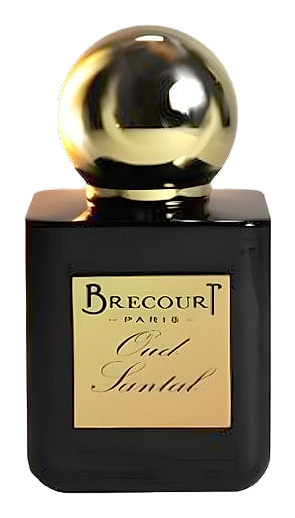
By 2015, Emilie Bouge had been building Brecourt's quiet catalogue for five years. Oud Santal arrived as a study in restraint, two demanding materials made to work together rather than compete. The brief seems simple on paper: oud, sandalwood, powdery florals. But the execution is anything but. Bouge structured the composition so each material would reveal itself in sequence, creating a fragrance that unfolds rather than announces. The name says exactly what it is. Nothing more needs explaining.
What makes Oud Santal work is the counterweight. Oud is bold by nature, it demands presence, often at the expense of everything around it. Sandalwood doesn't compete here. It softens. The powdery iris and violet don't compete either. They cool. Gurjum balsam adds resinous depth to the heart without heaviness. Ambergris brings animalic warmth to the base without pushing into raunchy territory. The result is oud that breathes. Almost counterintuitive, but that's the point, two powerful materials doing their jobs so the composition can be more than the sum of its parts.
The evolution
The opening hits with oud's densest quality, resinous, dark, immediate. Iris and violet arrive quickly too, adding that powdery coolness that prevents the oud from reading as simply heavy. The first thirty minutes are the most assertive. Then sandalwood begins its work, smoothing the edges, adding cream. The heart brings gurjum balsam's deeper resin and cypriol's earth, darkening the composition further. But the oud doesn't disappear. It becomes structural, no longer the statement but the foundation. The drydown is where Oud Santal earns its name. Sandalwood takes over, warm and soft, joined by ambergris and musk in an intimate close-to-skin warmth that lingers for hours. The powdery iris stays present throughout, keeping everything refined.
Cultural impact
Oud Santal arrived at a moment when oud had become synonymous with opulence and projection in niche perfumery. Brecourt's 2015 release positioned itself against that trend, offering an oud experience defined by restraint rather than force. The powdery iris and violet were deliberate choices that softened the aggressive character typically associated with agarwood, making the composition accessible to those who wanted the prestige of oud without its intensity. This approach resonated particularly in markets where understated elegance was valued over loudness, influencing how subsequent oud releases approached the balance between boldness and wearability. The fragrance's success contributed to a broader conversation about what oud could represent beyond luxury and excess.