The Story
Why it exists.
The beginning
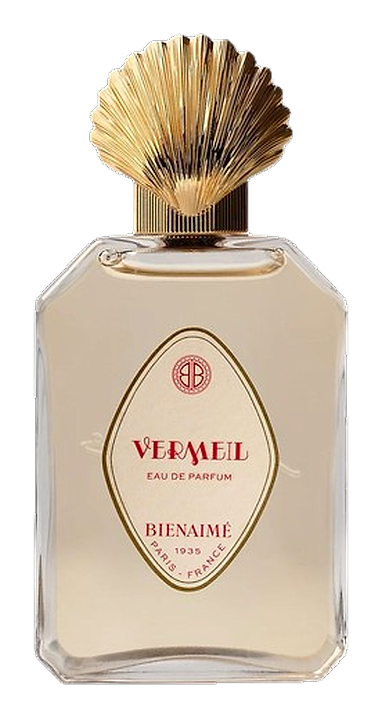
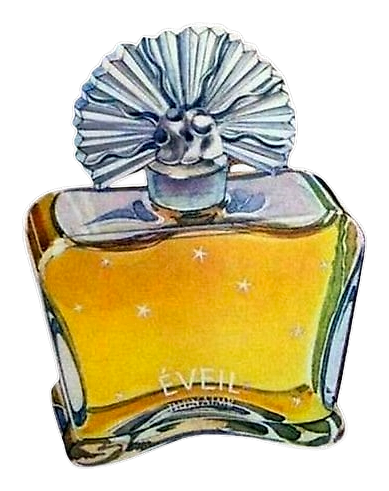
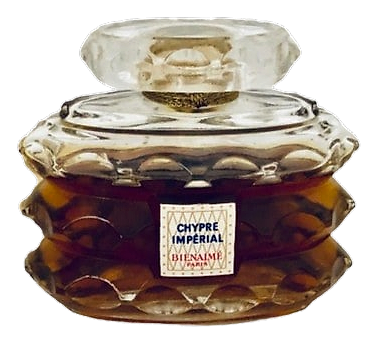
In 1935, Robert Bienaimé released Chypre Impérial as part of his early work under the Bienaimé name. The fragrance arrived alongside other compositions from the house, including Éveil and Vermeil. Chypre Impérial marked a confident entry into French perfumery, its name signaling both a connection to the chypre tradition and a particular sense of scope. The intention reads clearly in the composition itself: nothing is forced, nothing is overworked. Every element earns its place through the way it interacts with the others, and the overall effect is one of careful construction rather than loud declaration. The citrus opening snaps with green energy before giving way to a heart where floral notes bend toward something more resinous and shadowed.
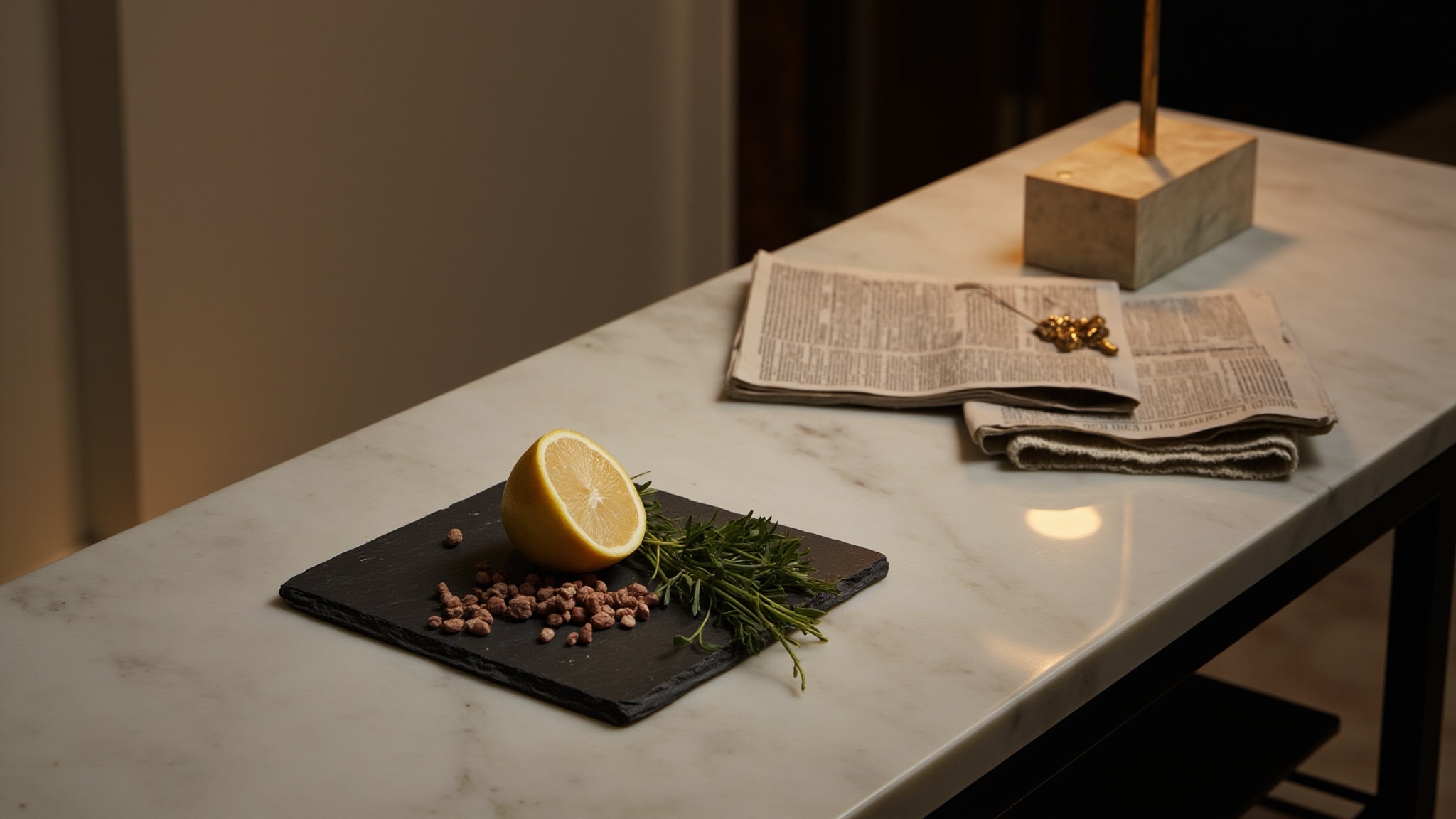
Bienaimé's approach to the chypre structure loads every section of the composition with intention. Pink pepper and tarragon sharpen the citruses, pulling them away from the simple sweetness that bergamot can fall into when left unaccompanied. Instead, the opening reads cool, slightly bitter, and unexpectedly green. In the heart, birch and juniper push the floral accord sideways, introducing a smoky, almost woody quality that keeps the fragrance from drifting into predictable territory.
The evolution
The first 15 minutes belong to the herbs. Bergamot opens with a green snap, and tarragon rides alongside it, giving the citrus an anise-like coolness. Clary sage adds a dry, almost herbal bitterness. The citruses are there, but they're shaped, not sweet. By 30 minutes, the heart takes over and the composition shifts. Rose arrives alongside birch, and the birch is what makes it interesting, adding a leather-smoke quality that most chypres skip. Jasmine softens the edges. Patchouli starts its slow rise, its earthy sweetness threading through the florals without overwhelming them. Around the 2-hour mark, the base takes command. Oakmoss settles in, deep and earthy, with a forest-floor depth that grounds everything above it. Mysore sandalwood gives the composition warmth, its creamy texture smoothing the transitions between notes.
Cultural impact
Chypre Impérial occupies a particular place in fragrance history as a composition from 1935 that takes the chypre structure seriously. The fragrance offers a particular kind of restraint: built for wearers who wanted depth without volume, and who treated scent as a private signature rather than a public announcement. Its relative obscurity, with production apparently discontinued, makes it a piece of perfumery history that rewards those who seek it out.
The House
BienaiméBienaimé is a Parisian fragrance house founded in 1935 by perfumer Robert Bienaimé, who brought his expertise from a distinguished career at Houbigant to create his eponymous brand. The house specialized in refined French perfumes that captured an elegant, understated vision of femininity and masculinity through carefully balanced compositions. After falling silent during the 1960s, Bienaimé returned to life in 2021 when Cécilia Mergui acquired the brand and began reissuing heritage formulas alongside new creations. The revival preserves the original spirit of the house while introducing the collection to a new generation of fragrance enthusiasts seeking authentic vintage character.
The Creator
Robert BienaiméBienaimé composed in the grand French tradition, favoring lush florals, elegant structure, and compositions that revealed their complexity slowly. He paired florals with warm woods, resins, and rare absolutes, building depth through layering rather than splash.