
The Story
Why it exists.
The beginning
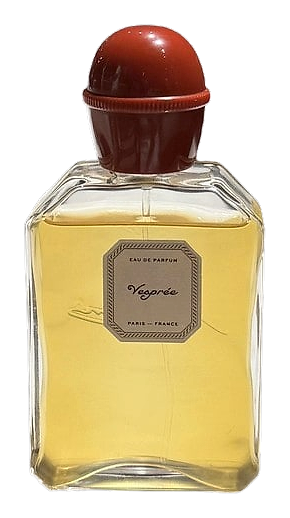
Vesprée takes its name from the Latin vespera, the evening prayer service that marks the hour when day surrenders to night. In monasteries, vespers is held around 18:00, just before sunset, a moment of transition that carries its own quiet beauty. The last light still warm, the first coolness arriving, neither fully day nor fully night. The name invites the wearer to linger at that threshold, to notice the shift as one world quietly hands over to another.
What makes Vesprée structurally interesting is the celery seed and carrot seed pairing in the opening. These materials bring an herbal, almost mineral quality that reads as savory rather than sweet. Against the warm amber-vanilla base that follows, this creates a fragrance that refuses to be simply comfortable. The iris in the heart adds a powdery elegance that bridges the cool opening and the balsamic base, while Peru balsam provides a resinous depth. It's a composition that earns its name by inviting the evening to arrive.
The evolution
The opening announces itself firmly. Bergamot and cardamom arrive crisp, but celery seed and carrot seed quickly introduce an herbal, slightly medicinal edge that catches attention. For the first hour, the composition feels cool and slightly austere, like the air just before the sun drops below the horizon. Then the hand-off begins. The herbal quality doesn't disappear. It deepens, becoming the structural backbone as geranium and rose introduce a powdery elegance and Peru balsam adds a subtle resinous warmth. As the transition unfolds, the fragrance changes entirely. By the time the drydown arrives, Vesprée has become something warmer and more intimate. Amber-vanilla anchors the base, supported by cedar and sandalwood, with tonka bean softening the edges. Vetiver and labdanum introduce a smoky, slightly animalic depth that lingers close to the skin.
Cultural impact
Vespree is a contemporary fragrance from the Parisian house Bienaimé. The scent centers unusual aromatics like celery seed and carrot seed in the opening, offering an alternative to more conventional approaches. The evocative name and connection to evening prayer create a narrative that resonates with those seeking distinctive olfactory experiences. Marie Schnirer's use of these ingredients contributes to a fragrance that stands apart in its approach to composition and atmosphere.