The Story
Why it exists.
The beginning
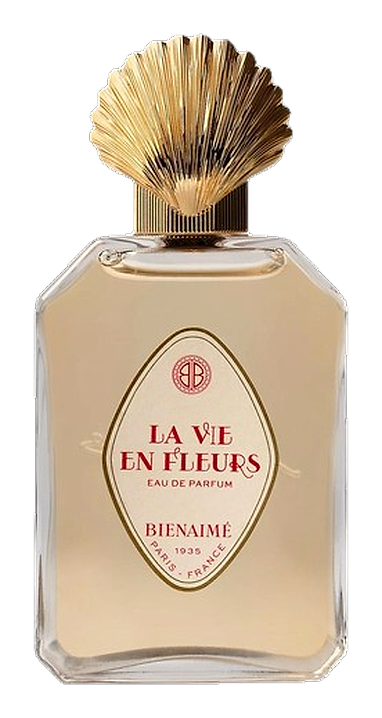
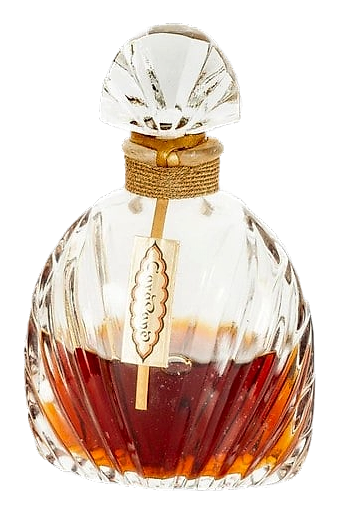
Caravane arrived in 1936, the year Robert Bienaimé released Cuir de Russie and La Vie en Fleurs. The name is the blueprint: caravans, the long trade routes that pulled frankincense, myrrh, and Persian textiles across deserts and into European imagination. Bienaimé was building a classical French house in Paris, and the Orient was less a place than a mood the entire perfume industry was fluent in. Caravane reads as his answer to that fascination, less costume than atmosphere, more trade than conquest. The bottle caught the same idea in glass, its label carrying the word like a flag planted somewhere between Marseille and Muscat. You can smell the planning in the opening, the way the spices arrive already arranged, as though someone decided the route before the first drop hit the skin.
What makes Caravane worth pulling out of a 1936 lineup is the layering. The top is almost aggressive with its spice quartet, cinnamon, clove, nutmeg, anise, set against bergamot that has no choice but to open the door. The heart pulls in two directions at once: Taif rose and jasmine, then incense and myrrh. It is a composition that treats East and West not as opposites but as collaborators. The base grounds everything in vanilla, sandalwood, leather, and frankincense, giving Caravane its lasting weight.
The evolution
The first ten minutes are loud in the way a well-made spice composition should be, all clove and cinnamon with anise threading underneath like a secret. Bergamot is there, but it is doing advance work, not soloing. By the thirty-minute mark the heat softens and incense begins to rise through the spice, giving the whole thing altitude. This is where Caravane earns its name. The floral heart, Taif rose and jasmine, is delicate by design, a counterweight to everything around it, and it reads as silk pressed against raw leather. Around the two-hour mark the composition settles into its serious self. Vanilla arrives, not as sweetness but as warmth, and it wraps around sandalwood, vetiver, and a thread of leather that grows more present rather than less.
Cultural impact
Caravane belongs to a specific moment in French perfumery, the mid-1930s, when the oriental genre was at its peak. Bienaimé's version is restrained. The name positions it in the lineage of trade-route romanticism, but the execution is restrained in a way that feels distinctly French. For collectors of vintage French orientals, it remains a quiet reference point, the kind of bottle that gets opened sparingly and passed around when someone in the room remembers what it can do. You smell the restraint first, then the warmth underneath, then the architecture that holds both.
The House
BienaiméBienaimé is a Parisian fragrance house founded in 1935 by perfumer Robert Bienaimé, who brought his expertise from a distinguished career at Houbigant to create his eponymous brand. The house specialized in refined French perfumes that captured an elegant, understated vision of femininity and masculinity through carefully balanced compositions. After falling silent during the 1960s, Bienaimé returned to life in 2021 when Cécilia Mergui acquired the brand and began reissuing heritage formulas alongside new creations. The revival preserves the original spirit of the house while introducing the collection to a new generation of fragrance enthusiasts seeking authentic vintage character.
The Creator
Robert BienaiméBienaimé composed in the grand French tradition, favoring lush florals, elegant structure, and compositions that revealed their complexity slowly. He paired florals with warm woods, resins, and rare absolutes, building depth through layering rather than splash.