The Story
Why it exists.
The beginning
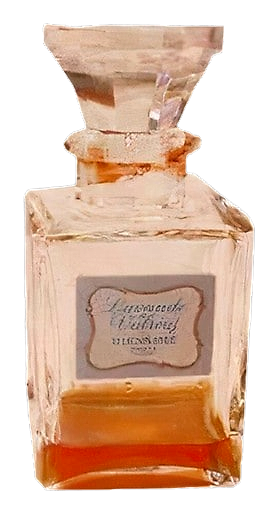
Lavande de Valréas has the confident architecture of a classical French eau de toilette, the kind of construction that feels inevitable rather than designed. Aldehydes set the opening register, bright and effervescent, before the composition settles into something warmer and more grounded. Lavender sits at the heart of the structure, treated here as a serious compositional element rather than a fleeting accent, woven through iris, rose, jasmine, and lily of the valley with the steady hand of someone who understood floral balance. It belongs to a moment when perfumery still trusted restraint, when a fragrance could be quietly authoritative without raising its voice.
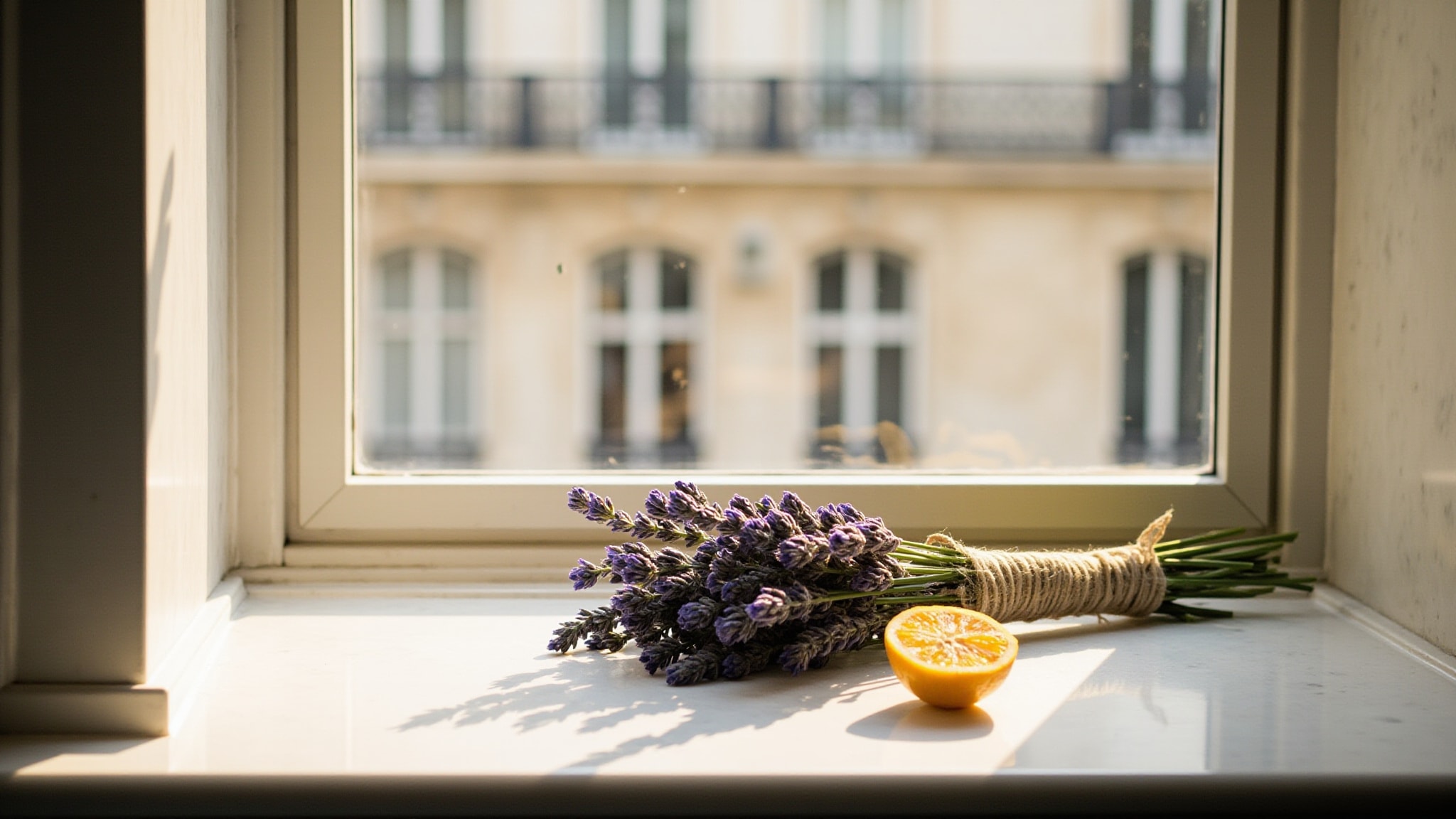
What's distinctive here is the tension between aldehyde brightness and a deep, grounded base. The aldehydes lift the opening into something crisp and almost iridescent, catching light the way a clean window catches morning sun. Then the lavender arrives, stepping forward not as a single sharp herb but as a woven texture, supported by iris powder, rose, the cool sweetness of lily of the valley, and jasmine threading warmth through the arrangement from beneath. The blend reads less like a dressed-up herbal and more like an altitude: high, clear, slightly cool.
The evolution
The first thirty minutes are all about that aldehyde fizz, sharp and almost metallic, riding over bergamot and neroli with a thread of coriander that gives the opening its characteristic bite. It's bright without being shrill, the kind of clarity that wakes up the nose rather than assaults it. Then the lavender arrives, not as a single note but as a texture, woven through iris powder, rose, and the cool green of lily of the valley. It's restrained, never heavy, the lavender contributing its particular herbal clarity without overwhelming the floral arrangement around it. The jasmine sits in the back, adding warmth without sweetness, more hum than solo.
Cultural impact
Lavande de Valréas has long carried the particular gravity of a composition that stopped being widely available decades ago. Its current scarcity is less a verdict on the fragrance than a reflection of how the market for vintage aldehydes actually works, where the pieces worth owning are rarely the ones easy to find. Among collectors who build shelves around pre-war French perfume, the name surfaces in the same conversations as the period's most considered aldehydes, the floral constructions that treated restraint as a virtue rather than a limitation.
The House
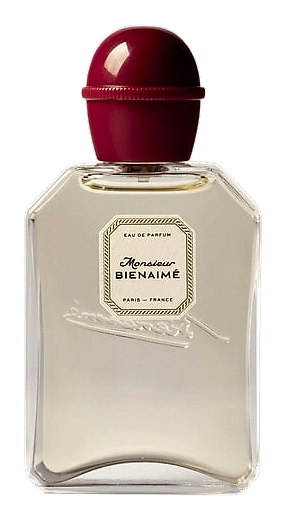
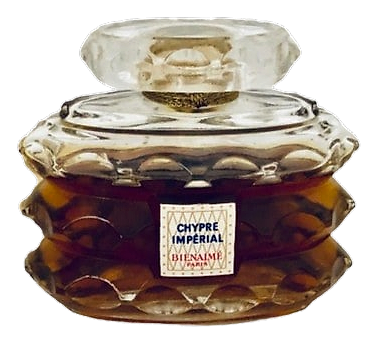
BienaiméBienaimé is a Parisian fragrance house founded in 1935 by perfumer Robert Bienaimé, who brought his expertise from a distinguished career at Houbigant to create his eponymous brand. The house specialized in refined French perfumes that captured an elegant, understated vision of femininity and masculinity through carefully balanced compositions. After falling silent during the 1960s, Bienaimé returned to life in 2021 when Cécilia Mergui acquired the brand and began reissuing heritage formulas alongside new creations. The revival preserves the original spirit of the house while introducing the collection to a new generation of fragrance enthusiasts seeking authentic vintage character.
The Creator
Robert BienaiméBienaimé composed in the grand French tradition, favoring lush florals, elegant structure, and compositions that revealed their complexity slowly. He paired florals with warm woods, resins, and rare absolutes, building depth through layering rather than splash.