The Story
Why it exists.
The beginning
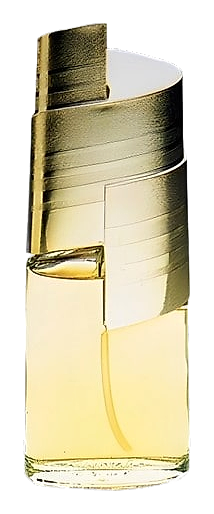
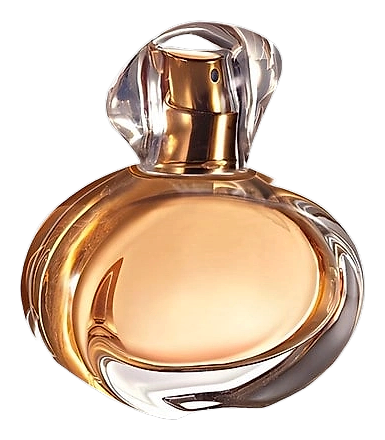
Toccara arrived in 1981 as an accessible, ladylike fragrance with a little theatrical flair. The name carries a softly rhythmic quality, gentle on the tongue, the kind of word that suggests a perfume built for everyday femininity rather than red carpet spectacle. It was developed with micro-capsule technology, a touch that set it apart visually on the shelf and gave the bottle a textured, almost jewel-like presence. The scent itself opens with a clean aldehyde sparkle, bright and soapy, before settling into a powdery floral heart of rose, violet, and a touch of green stem. Long since discontinued, Toccara became a quietly missed favorite for those who discovered it in Avon brochures or through neighborhood representatives who still came to the door.
The formula leans into a classic floral aldehyde structure, and that architecture does the heavy lifting. Aldehydes give that soapy, sparkling lift at the top, but the real interest is in how the base behaves. Civet, a notoriously animalic material, anchors the drydown. In the heart of the composition, the aldehyde brightness gives way to a bouquet that feels deliberate and composed: powdery rose, violet, a cool lily of the valley note, and a soft carnation warmth.
The evolution
The opening is a parade of sparkle and stem-green freshness. Aldehydes pop like fizzy candy over violet leaf and bergamot, lifting the composition with that signature soapy brightness. Soon the heart flowers open: tea rose, cyclamen, lily of the valley, carnation. It reads powdery and slightly cool, the floral equivalent of walking through a garden after a light rain. The violet and the aldehydes give the early stages a clean, almost laundry-fresh quality, while the rose underneath keeps things warm and unmistakably feminine. As the composition settles, the green and aldehyde lift soften, and what remains is a denser, warmer arrangement. The ylang-ylang deepens, the carnation turns spicier, and the base begins to rise through the florals. Civet makes its presence known, adding a leathery, slightly dirty warmth beneath the rose and amber.
Cultural impact
Toccara wears close to skin, which suits the way most people actually wear Avon, layered into daily life rather than saved for evenings out. Among vintage perfume collectors, it carries a quiet reputation as a discovery rather than a compromise, a fragrance that delivered more complexity than its price and presentation suggested. It belongs to a small group of aldehydic florals that took themselves seriously, perfumes that wore their powdery hearts on their sleeves without ever tipping into the syrupy or the synthetic. Toccara's particular combination of civet, rose, and violet gave it a warmth that many of its contemporaries smoothed away.