
The Story
Why it exists.
The beginning
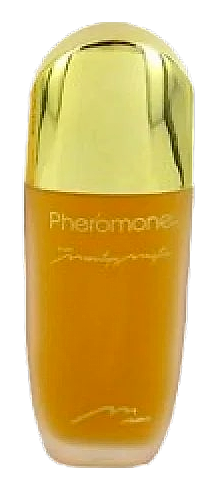
Pheromone arrived in 1978, a time when the beauty industry was still figuring out what confidence smelled like. Marilyn Miglin had been building her Chicago-based business for over a decade by then, and she'd watched enough women leave her shop unsure of themselves. The idea for Pheromone was straightforward: create a fragrance that felt like an extension of presence, not decoration. The name was a statement, provocative by design, meant to suggest something instinctual rather than learned.
What makes Pheromone interesting isn't the name-dropping of biology. It's the structure. A proper chypre, green top, floral heart, mossy base, executed with more conviction than most modern releases attempt. The 179 essences mentioned in early marketing copy may be exaggeration, but the density of the composition isn't. Oakmoss sits close to the skin throughout most of the wear, not as a drydown note but as a constant. Sandalwood and patchouli build quietly in the base. The florals, jasmine, ylang-ylang, orange blossom, don't announce themselves so much as assert.
The evolution
The opening hits fast: palm leaf, rosemary, a sharp green note that reads more herbal than fruity. Thirty minutes in, the florals arrive. Jasmine first, then ylang-ylang threading through. The orange blossom keeps things from getting heavy. By the second hour, the oakmoss has established itself and the sandalwood is beginning to build. The patchouli appears around hour three, giving the base an earthy quality that wasn't present in the opening. By hour five, this is primarily a woody-chypre fragrance on skin, the green notes have receded but the structure remains. The drydown on clothing can last into the next day: sandalwood and oakmoss, quieter but unmistakable. On paper, it reads as one unified scent rather than a sequence of phases. That's the hallmark of a well-balanced chypre.
Cultural impact
Pheromone has outlasted most fragrances from its era. The green-chypre structure that defined it in 1978 still reads as distinctive today, a time when most launches lean toward easier, safer compositions. It's not a crowd-pleaser by design, but that specificity is exactly why it still has fans. The fragrance has spawned multiple flankers across the decades, EDT, Parfum, Esprit de Parfum, suggesting steady commercial interest despite minimal marketing spend in later years. What keeps it relevant isn't nostalgia. It's that the structure works: green, floral, woody, mossy, in proper proportions, with proper materials.