
The Story
Why it exists.
The beginning
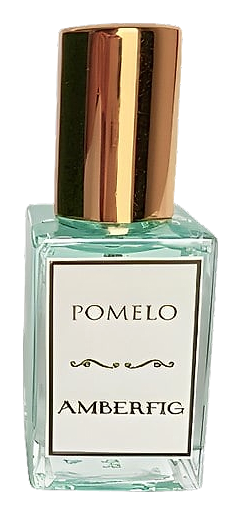
Pomelo arrived in 2019 from Amberfig, the house responsible for a catalog that includes this cool, citrus-driven composition. The fragrance takes its name from the large, pale-fleshed grapefruit hybrid, a fruit known for being less acidic than its citrus cousins, with a sweetness that sits closer to the rind than the juice. That ambiguity is the whole brief. David Magalhães built the fragrance around a fruit that's technically sour but reads as cool on the tongue, threading that tension through every layer. The name itself becomes a kind of instruction: a pomelo is gentler than a grapefruit, riper than a lemon, and the perfume leans into that in-between quality rather than picking a side.
What makes the structure interesting is the ice note sitting in the opening alongside three citric materials. Pomelo adds a literal coldness, a mentholated, almost metallic edge that pushes the fruit away from a simple freshness reading and into something more deliberate. The lavender and chamomile in the heart then anchor that chill to skin rather than letting it evaporate. It's a small compositional choice that changes how the whole thing reads.
The evolution
The first fifteen minutes are sharp. Grapefruit, lemon, citron, and that ice note hit together with the clarity of water poured into a cold glass. There's a faint green pith bitterness underneath, not sour so much as unsweetened. The fruit reads almost metallic at first, and the coldness keeps it from going bright or candied. This is not a juicy citrus. It's a structural one, built around temperature and edge rather than pulp and sugar. Around the twenty-minute mark the lavender arrives, softening the edges but not warming them. Chamomile comes with it, adding something honeyed and slightly bitter underneath, the kind of herbal sweetness that nods toward tea rather than sugar. The aromatics settle in next, and for a stretch the fragrance sits in a clean, slightly herbaceous register that feels more like cold-pressed linen than anything sugary or dense.
Cultural impact
Pomelo by Amberfig offered a citrus-driven composition that stood apart from many of its contemporaries, leaning into the frozen-glass impression of grapefruit, lemon, citron, and ice rather than chasing sweetness. The scent traded weight for clarity, and that choice gave it a distinctive place in the conversation around modern perfumery. Its cool, almost watery character made it feel like an outlier in a space often dominated by denser, heavier formulations, and that contrast became part of its appeal.