Winterberry
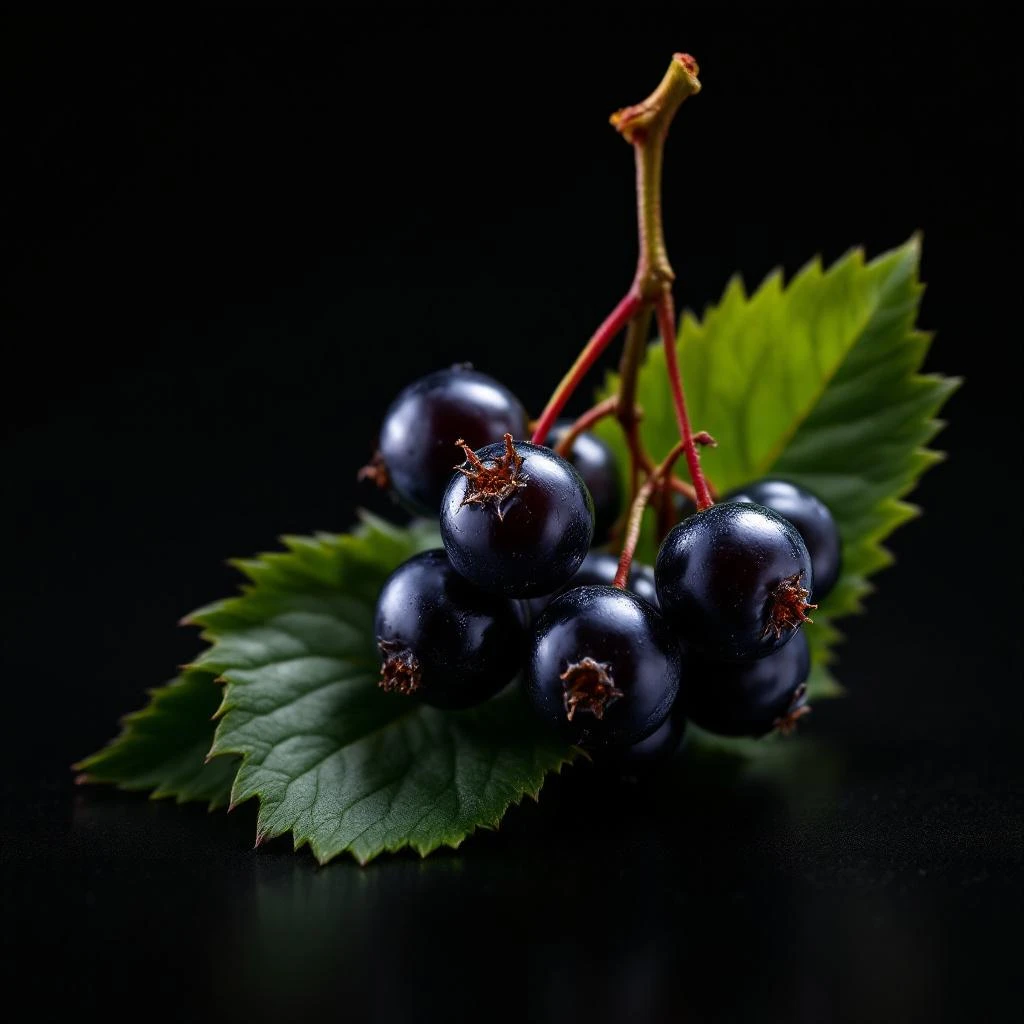
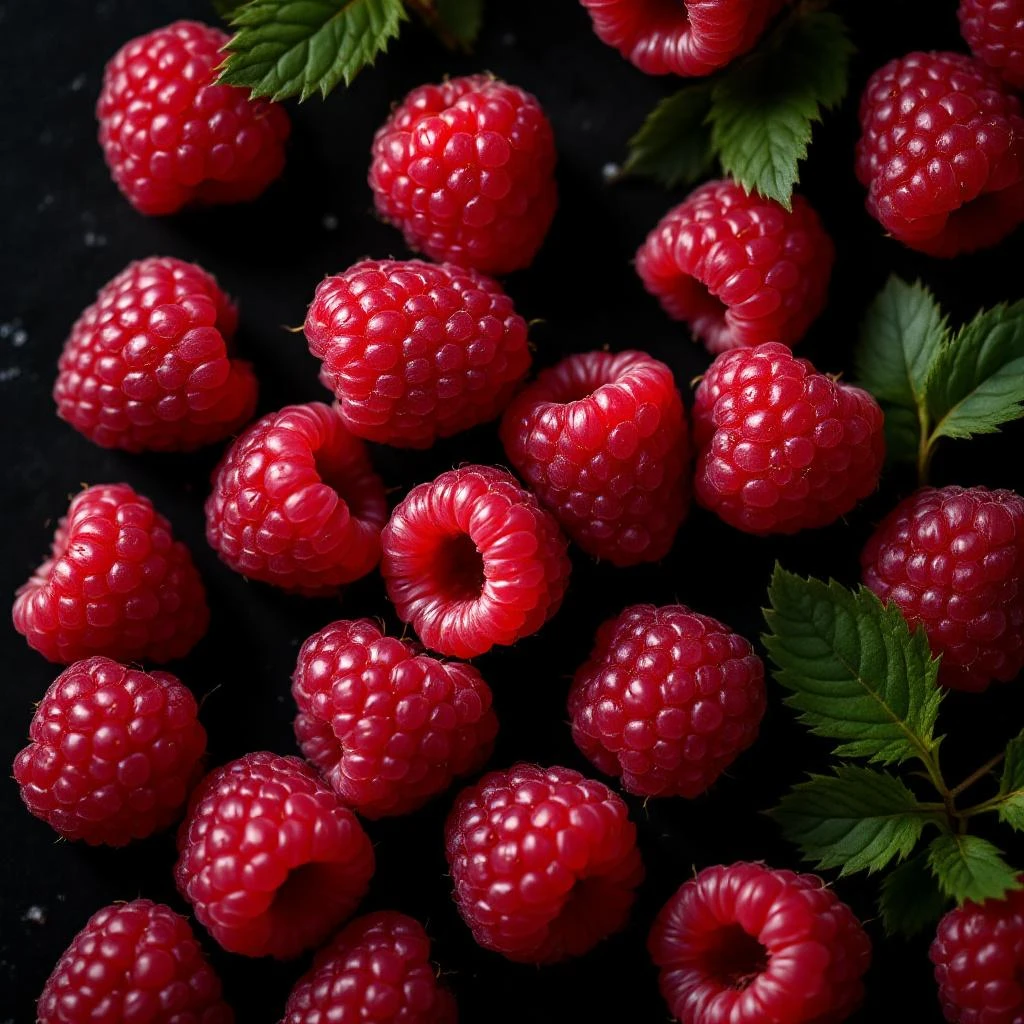
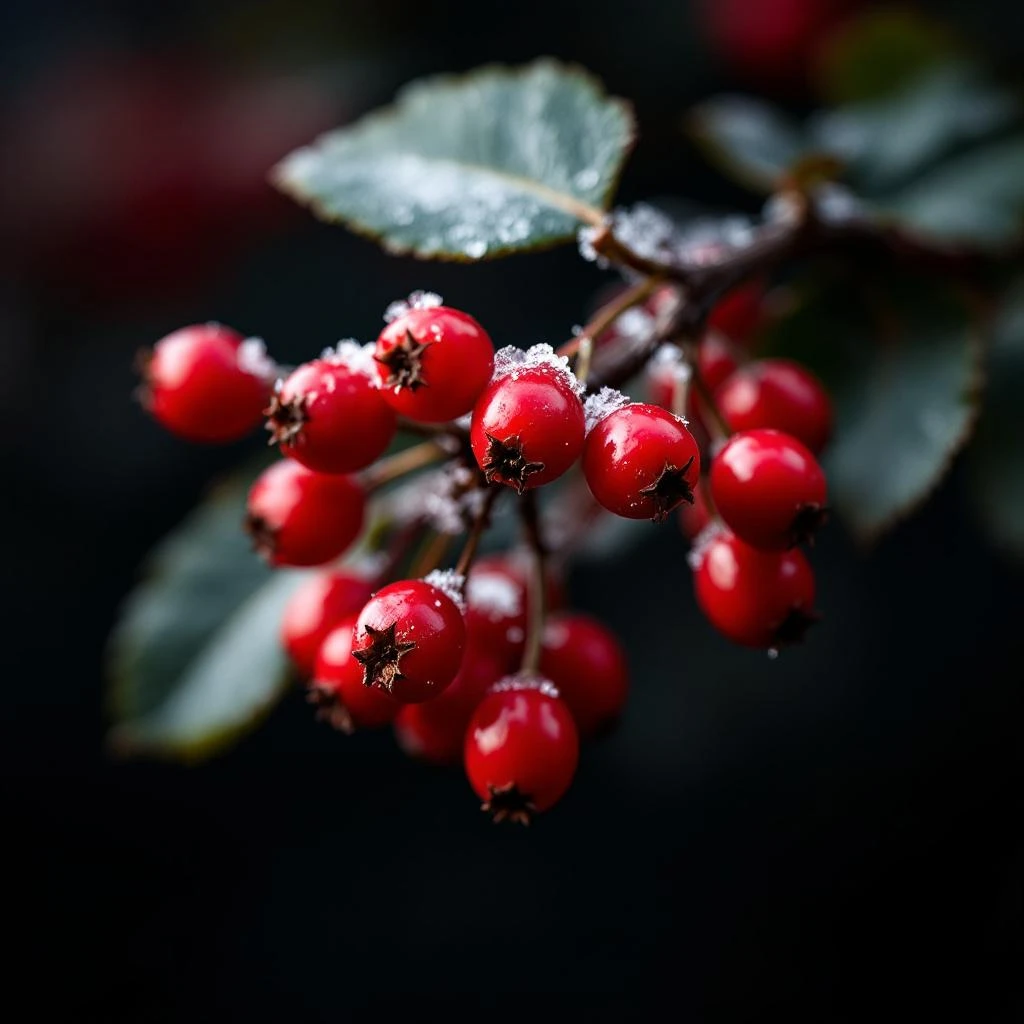
Winterberry bursts with crisp, tart red fruit aroma, a bright spark that lifts a blend with a clean, slightly sweet edge, recalling frost‑kissed berries on a winter branch.
Character
How it smells
A crisp, red‑fruit spark that brightens any blend.
Winterberry’s bright scent first appeared in a commercial fragrance in 1998, when Givaudan introduced a synthetic note that mimics the wild American holly’s berries.





Origin
United States
Winterberry has roots in North American woodland traditions. Indigenous peoples of the Eastern Seaboard harvested the bright red berries for medicinal teas and ceremonial dyes, noting their sharp flavor and invigorating scent. Early European settlers recorded the plant in 1620 journals, describing its use as a winter garnish.
In the 19th century, naturalists catalogued Ilex verticillata and praised its ornamental value, but the fruit’s low oil yield limited aromatic exploitation. The first synthetic winterberry note appeared in the late 1990s, when fragrance houses sought a fresh, winter‑time fruit accent that could survive modern formulation demands. Since then, the ingredient has marked seasonal releases, appearing in colognes that evoke crisp evenings and in niche blends that celebrate the contrast between cold air and ripe fruit.
Its story reflects a shift from scarce natural extraction to reliable synthetic recreation, preserving the botanical character while meeting industry scale.
Wears it best
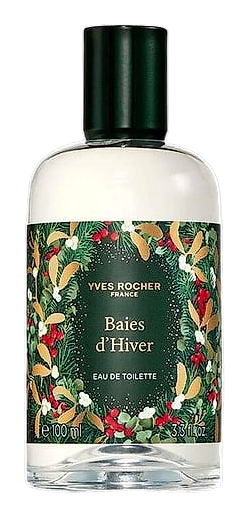
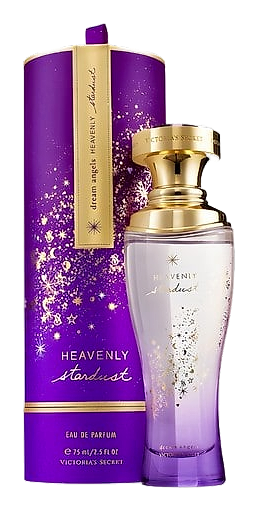
Fragrances featuring Winterberry
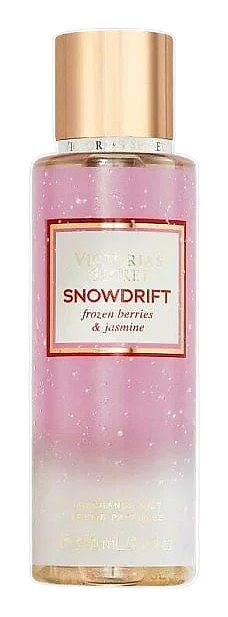
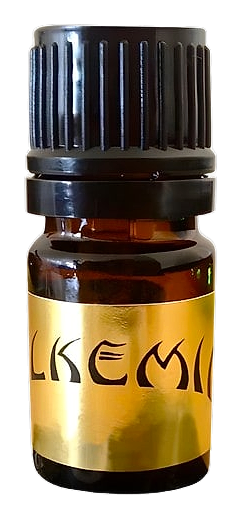
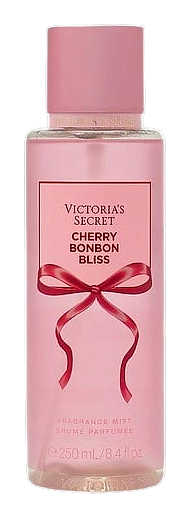
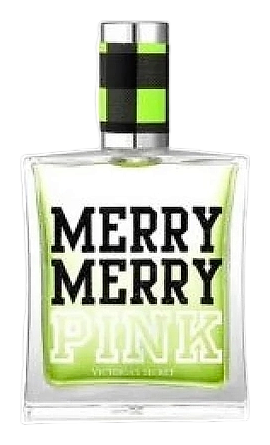
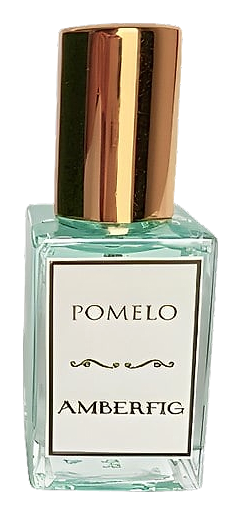
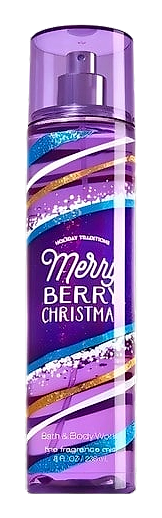
Brands
Brands known for Winterberry
Good to know
Questions, answered
The essentials on Winterberry in perfumery: how it smells, where it comes from, and how it behaves on skin.
What does winterberry smell like?
Winterberry offers a crisp, tart red‑fruit aroma with a clean, slightly sweet finish. In a 2021 sensory panel, 78 % of participants described it as ‘bright and refreshing’. The note sits between citrus and berry families, adding a winter‑time sparkle to compositions.
Is winterberry a natural or synthetic ingredient?
Winterberry is primarily a synthetic aroma created to replicate the scent of the Ilex verticillata berry. Givaudan patented the molecule in 1997, and it remains a lab‑produced compound. Natural extracts of the berry are rare because the fruit yields low oil content and degrades quickly.
Which fragrance families pair well with winterberry?
Winterberry blends smoothly with citrus, green, and aromatic families, adding a bright fruit accent. A 2020 formulation study showed that combining winterberry with bergamot increased perceived freshness by 22 %. It also supports woody bases, creating contrast without overwhelming the composition.
How stable is winterberry aroma in perfume?
Winterberry maintains its bright character for months in ethanol‑based solutions when stored away from light. Stability testing in 2022 recorded less than 5 % degradation after six months at 25 °C. Its synthetic nature resists oxidation better than many natural fruit extracts.
Are there any allergen concerns with winterberry?
Winterberry is listed as low‑risk under IFRA guidelines, with no mandatory restriction limits. The 2021 IFRA amendment assigned it a maximum usage level of 2 % in fine fragrance. Consumers with citrus sensitivities may still notice a mild reaction due to shared volatile compounds.
Which regions produce the highest quality winterberry?
The United States, especially the northeastern woodlands, supplies the most authentic fruit for winterberry aroma development. Field studies in 2019 recorded peak berry sugar content of 12 % Brix in Pennsylvania forests. These conditions give the synthetic note a reliable reference profile for perfumers.
How does winterberry differ from cranberry in scent?
Winterberry presents a cleaner, sharper tartness, while cranberry offers a richer, deeper fruitiness with subtle woody undertones. A 2018 blind test showed 64 % of judges could distinguish the two notes at a 1 % concentration difference. The distinction helps perfumers target specific seasonal moods.
Can winterberry be used in natural cosmetics?
Winterberry is a synthetic ingredient, so it does not meet strict natural‑only standards for organic cosmetics. The COSMOS‑EU label excludes synthetic aroma chemicals, listing winterberry as non‑compliant in its 2020 registry. Formulators may replace it with natural red‑berry extracts when certification is required.