Ice
The Ice note delivers a chilling, refreshing sensation rather than a traditional aroma. Created through menthol or synthetic cooling agents, it provides a crisp lift that mimics the breath of winter air. Perfumers use it to brighten compositions and create an immediate, tingling freshness.

Character
How it smells
A frosty breath of winter air captured in every spritz.
Ice notes debuted in modern masculine fragrances during the 1990s, revolutionizing aquatic and fresh perfume categories with their distinctive tingling sensation.









Origin
China
The concept of ice in perfumery is relatively recent, emerging primarily from 20th-century masculine fragrance development. While natural menthol has existed for millennia in traditional medicine and oral care, its deliberate use as a fragrance accord only gained prominence as synthetic chemistry expanded creative possibilities.
The menthol molecule itself was first isolated in pure form during the early 19th century, coinciding with broader advances in organic chemistry. As fragrance houses began experimenting with synthetic materials in the late 1800s, the foundations were laid for cooling compounds to enter the perfumer's palette. However, ice as a distinct fragrance category took until the 1990s to fully emerge.
Contemporary ice notes now appear across fragrance families, from aquatic compositions to aromatic fougeres. Their evolution reflects the broader democratization of perfumery, where once-exclusive natural materials found accessible synthetic alternatives, allowing perfumers at every scale to incorporate cooling effects into their work.
Wears it best
Fragrances featuring Ice

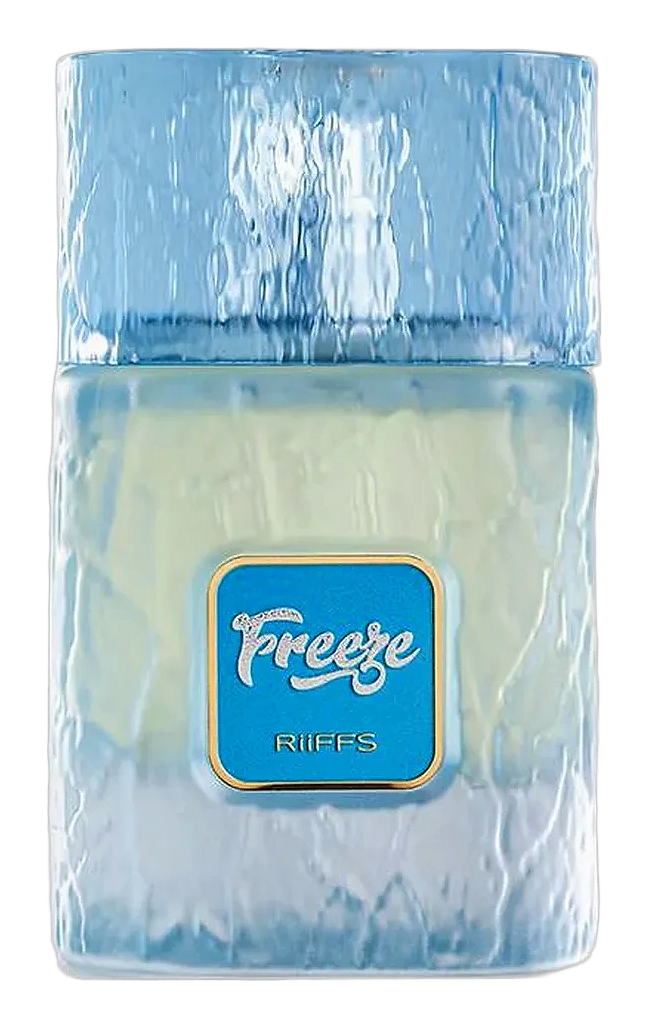
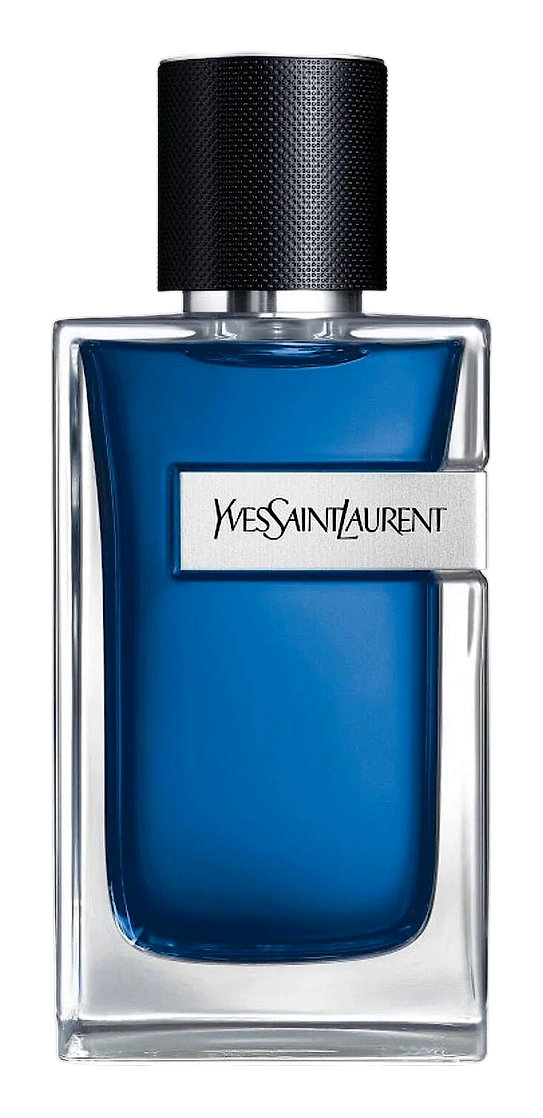
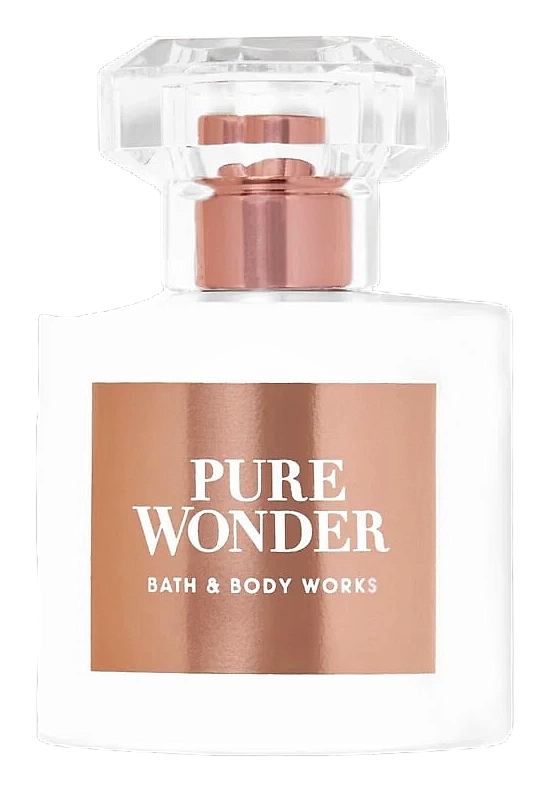
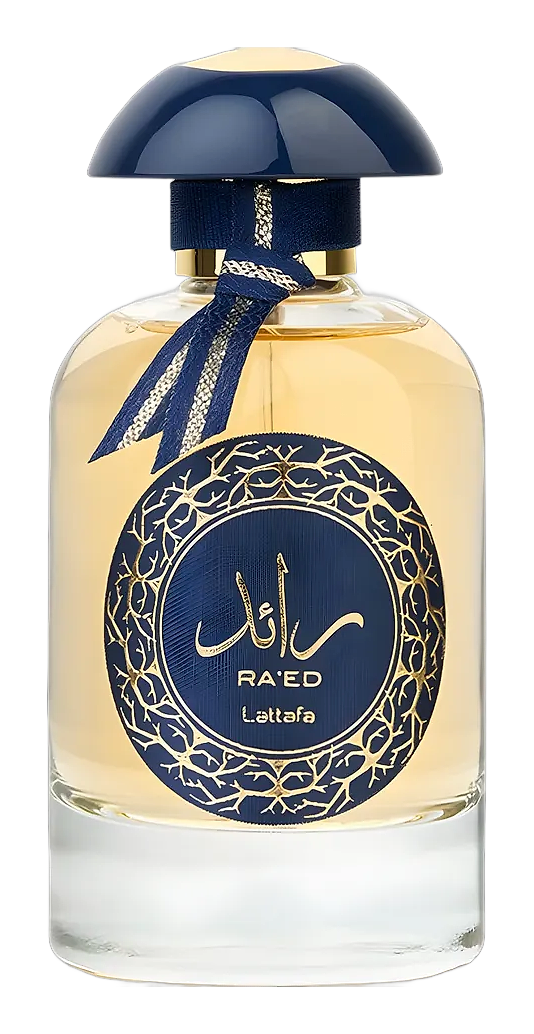
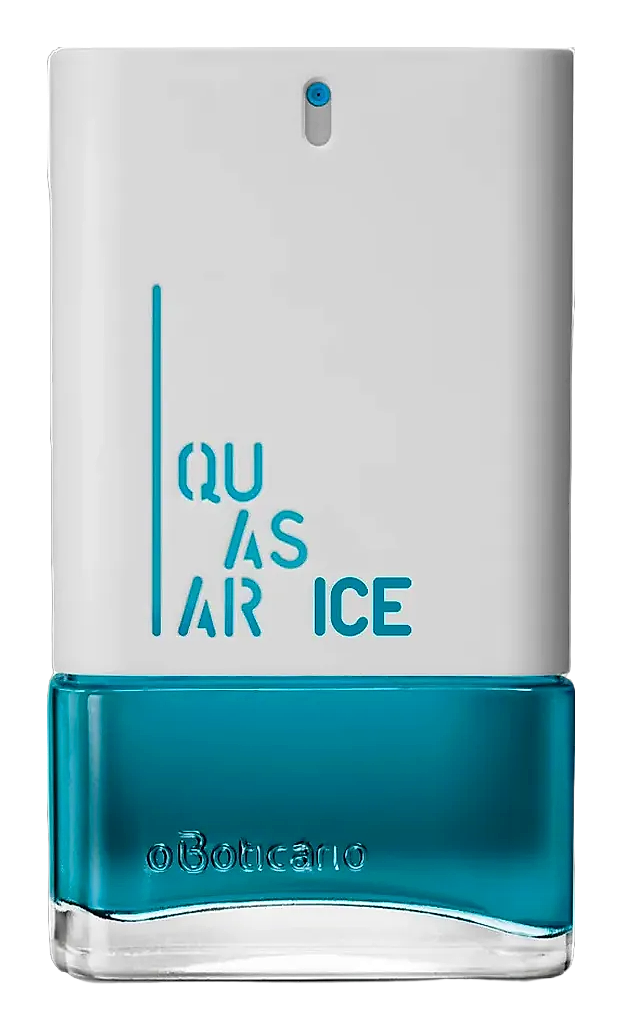
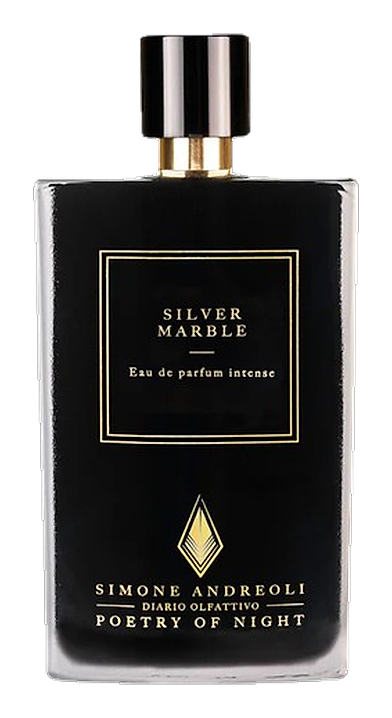
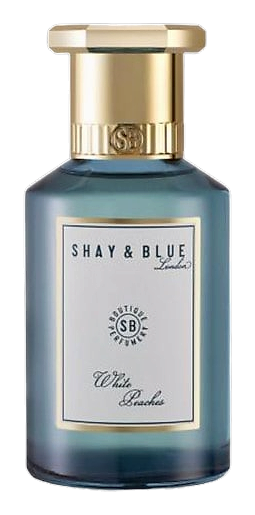
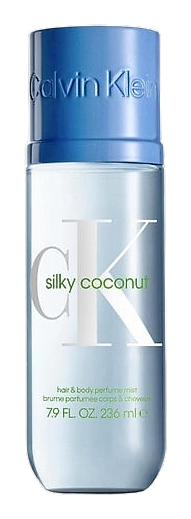
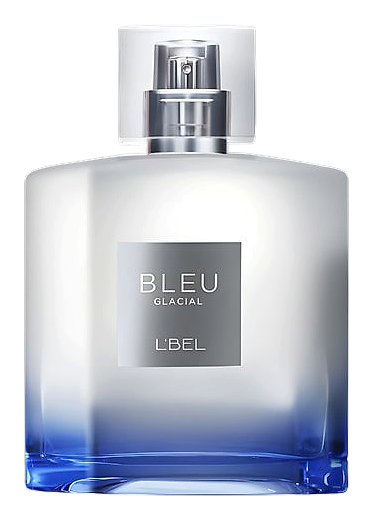
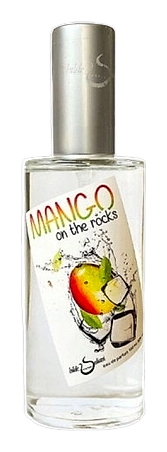
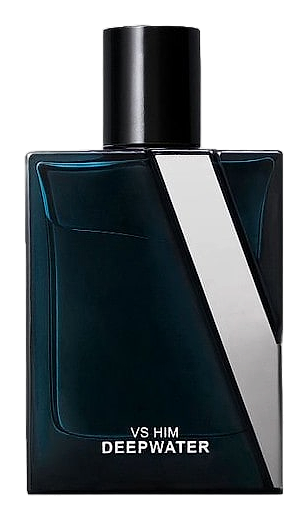
Brands
Brands known for Ice
Good to know
Questions, answered
The essentials on Ice in perfumery: how it smells, where it comes from, and how it behaves on skin.
What does Ice smell like in perfume?
Ice does not have a traditional aroma. It delivers a physical cooling sensation through menthol or synthetic agents that trigger cold-sensitive receptors in the skin. In a fragrance context, ice notes create a crisp, fresh impression similar to menthol or the feeling of cold morning air.
Why is Ice used in perfumery?
Ice notes brighten and lift fragrance compositions, adding immediate freshness and a tingling quality. Perfumers use them to create energy and movement, particularly in masculine, aquatic, and sport fragrances where a refreshing effect enhances the overall experience.
Is Ice in perfume natural or synthetic?
Ice in perfumery can be either. Natural menthol derives from steam-distilled mint oil, primarily Mentha arvensis. Synthetic cooling agents like Coolant MD replicate the sensation through different molecular structures. Most modern fragrances use synthetic versions for consistency and cost efficiency.
What famous perfumes contain Ice?
Ice notes appear prominently in aquatic and fresh masculine fragrances from the 1990s onward. While specific formulations are proprietary, numerous designer and luxury men's fragrances incorporate cooling agents to achieve their signature crisp, clean character.
Is Ice a top note, heart note, or base note?
Ice notes typically function as top or opening notes, delivering their refreshing effect immediately upon application. The sensation is immediate but fleeting, making them ideal for creating that first burst of freshness before the heart of the fragrance develops.
What notes pair well with Ice in perfume?
Ice notes complement aquatic, citrus, and green aromatic materials effectively. They also enhance mint, eucalyptus, and ozonic accords. These combinations create fresh, sporty, and energizing fragrance profiles common in contemporary masculine and unisex compositions.
How is Ice extracted?
Natural menthol comes from steam distilling Mentha arvensis, with Yunnan and Guangdong provinces in China producing approximately 70% of global supply. The resulting essential oil undergoes crystallization to yield pure menthol crystals, which perfumers then incorporate into formulations.
Is Ice used in men's or women's fragrances?
Ice notes originated in masculine fragrances during the 1990s but have expanded into women's and unisex compositions. Sport, aquatic, and fresh fragrance categories across all genders now regularly incorporate cooling agents, making ice notes gender-neutral in contemporary perfumery.