The Story
Why it exists.
The beginning
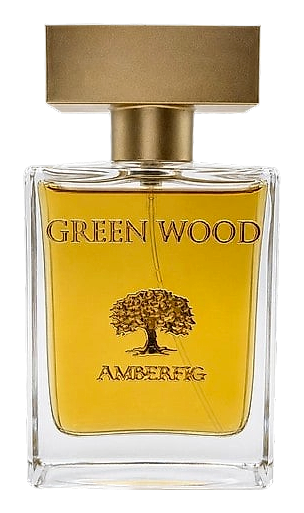
Amberfig released Green Wood in 2018 through a collaboration with perfumer David Magalhães. The composition leans into the chypre tradition: aromatic top notes over a mossy, woody base. But Magalhães wasn't reaching for a vintage template. He built something that smells like a specific kind of green: not the bright cut-grass green of a spring morning, but the deeper, resinous green of a forest floor after days of rain. The name tells you what to expect. The execution tells you Amberfig means it literally. From the first breath onward, there's an intention here that goes beyond nostalgia for a fading category. Magalhães takes the architectural bones of classic chypre construction and steeps them in something wetter, earthier, more overgrown.
What sets Green Wood apart is the absinthe-galbanum opening, a pairing rarely seen outside classical perfumery, and the inclusion of hemp at the heart alongside mate and iris. Most aromatic green fragrances skip the resinous, bitter thread. This one builds around it. The cannabis note adds a dry, leafy character without overt reference, more textural than thematic. The oakmoss absolute grounds everything in chypre tradition, but the leather and vetiver in the base push it toward something earthier and more current.
The evolution
The first ten minutes are all absinthe: cold, anise-bitter, faintly medicinal. Galbanum hits sharp and green at the edges, while Sicilian lemon and juniper berries add a bruised-citrus brightness that keeps things from going dark. Mint lifts the whole thing into something almost bracing, like chewing on a sprig while walking uphill. As the opening recedes, the green softens. Hemp leaf and mate arrive with an herbal, slightly smoky quality. Iris dusts powder over everything without ever fully revealing itself. Cashmere wood adds a dry warmth, and tagetes brings a marigold-bitterness that deepens the complexity. The drydown is where this fragrance earns its name. Oakmoss absolute settles into something that smells less like a forest and more like damp earth after a long walk. Sandalwood and vetiver do their slow, rooty work.
Cultural impact
Green Wood wears like a fragrance for the collector who already knows what chypre means and wants something that pushes the green-aromatic category somewhere mossier, less polite. It rewards the kind of wearer who treats fragrance as a conversation with materials rather than a pleasant surface effect. The composition's insistence on density, on staying with its herbal core rather than diffusing into generic freshness, marks it as something made for sustained attention. The kind of scent someone reaches for on a Sunday when they want to smell like they just came from somewhere specific.