The Story
Why it exists.
The beginning
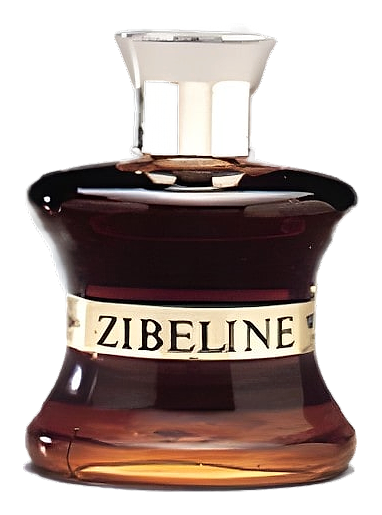
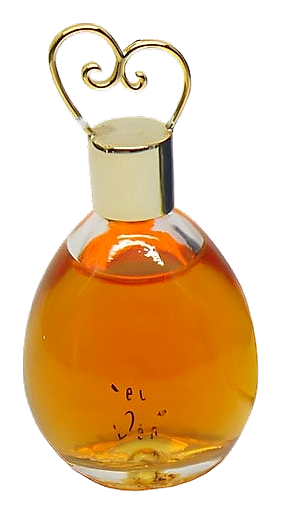
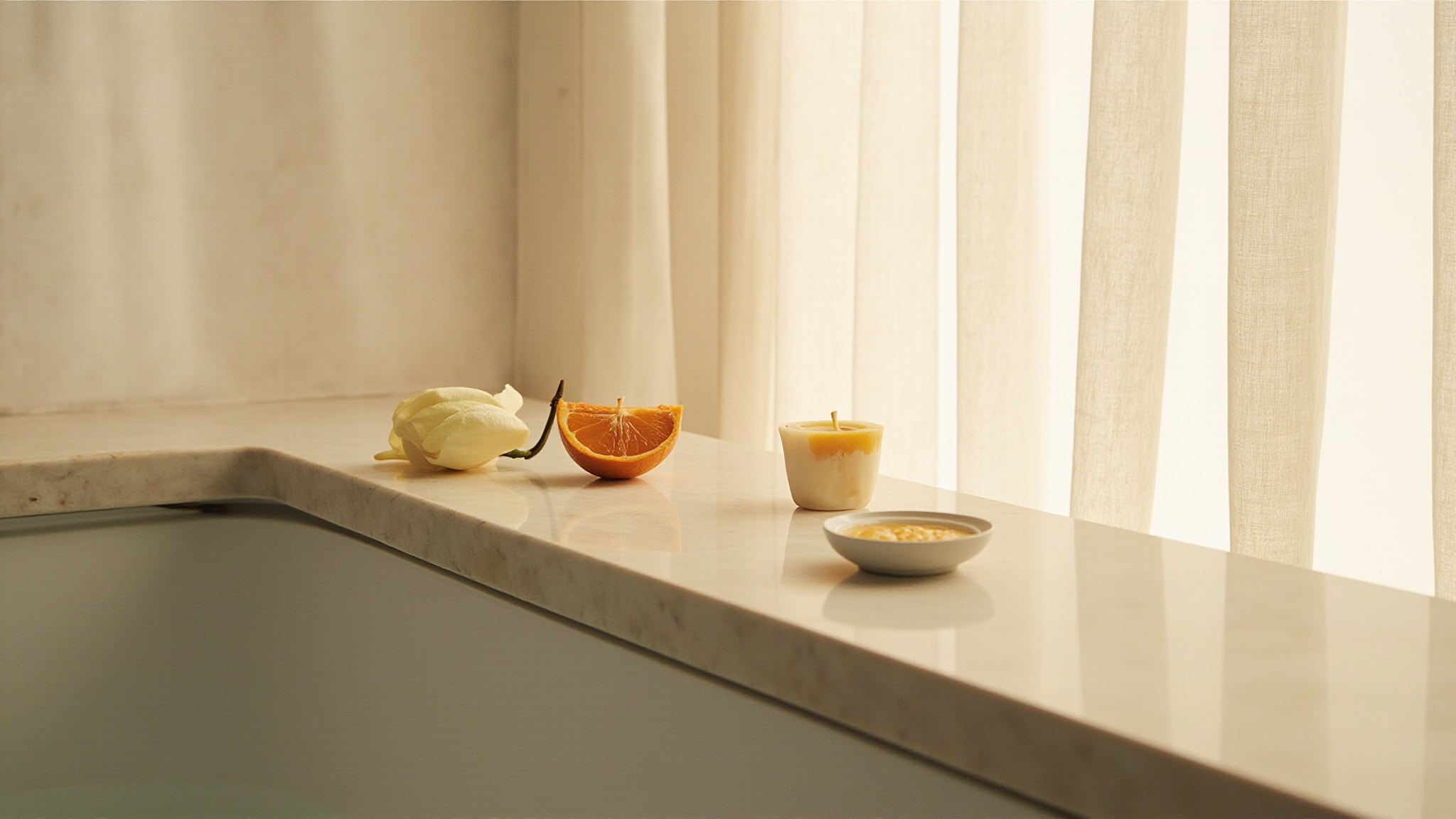
Hermine arrived in 1927, the same year as Zibeline, launching into a catalogue that would shape the house's identity. The name itself comes from ermine, that white winter coat historically reserved for royalty and ceremonial robes. Claude Fraysse composed it, building a composition that opens with a bright citrus lift before settling into florals over a mossy base. Where Zibeline took its name from sable, Hermine drew on the even rarer ermine, suggesting a colder, cleaner, more luminous direction. The opening reads almost airy, with orange zest and a touch of magnolia giving it a luminous quality that feels deliberate rather than accidental. There's a restraint to the composition that keeps each element in its place, nothing competing, nothing crowding the next.
What makes Hermine structurally interesting is the chypre architecture underneath the floral surface. Oakmoss and labdanum form the mossy-amber spine that defines the category, but here they sit beneath magnolia, jasmine, and rose, which lend the composition a powdery softness atypical of sharper chypres. The orange top provides lift without citrus sharpness. Tonka bean and vanilla add a rounded sweetness to the drydown, pulling the moss away from its usual austere territory and into something more intimate, more skin-like. The result bridges two worlds, floral and chypre, light and grounded.
The evolution
The first fifteen minutes belong to orange and magnolia, the orange reading almost like the zest rather than the juice, sharp enough to cut but quickly mellowed by magnolia's creamy, lemony floralcy. The jasmine and rose arrive next, but never shout. They braid together into something more velvet than bouquet, cushioned by the powdery softness that magnolia already established. There's a quality to the florals here that feels deliberately hushed, more suggestion than statement, each bloom adding its texture without ever demanding attention. By the second hour, the chypre base starts pulling the composition downward. Oakmoss and labdanum darken the edges, giving the florals a mossy, almost forest-floor depth that wasn't visible at the start.
Cultural impact
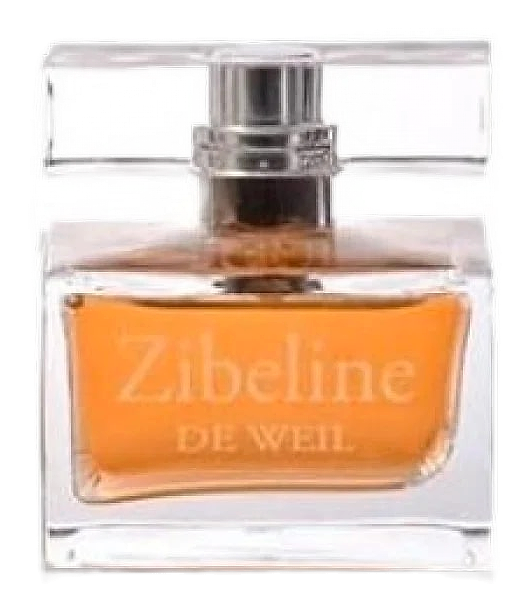
Hermine belongs to the early catalogue of Weil compositions, alongside Zibeline, both released in 1927. Its chypre-floral structure marks it as distinct from Zibeline's powdery softness, yet still firmly within the house's quiet, restrained register. Today it sits as a reference point for those drawn to early twentieth-century perfumery, a composition from an era when citrus openings and mossy bases were the architecture of elegance. Production was apparently discontinued, so it lives on through vintage stock, appreciated by wearers who value restraint over projection.
The House
WeilWeil began as a Parisian fur workshop before turning its needle into a scent‑making needle. In 1927 the family launched its first perfume, borrowing the tactile language of fur to craft fragrances that whisper of soft skins and quiet elegance. Today the house balances a century‑old legacy with a fresh, understated modernity.
The Creator
Claude FraysseFraysse's signature rests on heavy florals lifted by green or aldehyde accents, wrapped in the warm, almost edible richness typical of late twentieth century French luxury perfumery. He shows clear affection for indolic white florals and the soft, downy musk bases that made We…