The Story
Why it exists.
The beginning
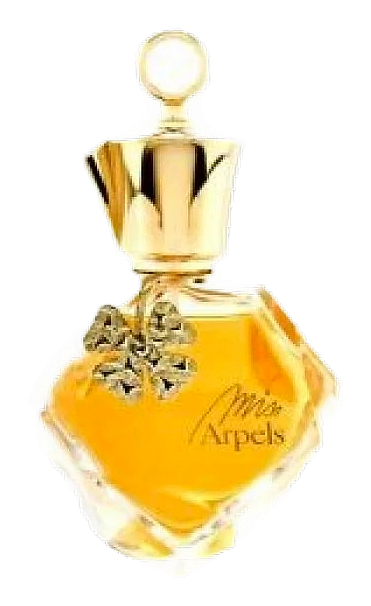
In 1994, Van Cleef & Arpels asked Jean-Claude Ellena to compose a fragrance that captured something the maison already knew intimately: the way a garden holds light. Ellena, even then operating with his signature restraint, built Miss Arpels around a tension most florals ignore. Green and white petals, fruit and herbs, all sharing the same breath. The brief wasn't nostalgia or seduction. It was a particular kind of prettiness, the sort that doesn't ask to be noticed. The bottle, designed by Serge Mansau, carries the same logic. Nothing shouts. Everything earns its place.
What makes this composition interesting isn't any single note. It's the structural choice to open with basil alongside melon and peach, then drop straight into a heart of five white florals. The basil stays present through the first act rather than vanishing behind the fruit, which gives the freesia and peony something cool to push against as they unfold. The result is a floral that reads cool first, warm second. The green opening behaves like a frame around the bouquet rather than a footnote, and that framing is what keeps the sweetness in check once the white florals begin to bloom.
The evolution
On skin, the first ten minutes are bright and almost crisp. Basil and lemon lead, with peach pulsing underneath like something sweet held just out of reach. The melon gives it a watery transparency that prevents the opening from ever feeling sharp. Around the twenty-minute mark, the florals arrive. Freesia and peony come first, carrying that cool green-floral handshake, then jasmine and magnolia broaden the register. Lily settles everything into something rounder, less angular. By the two-hour mark, the base starts asserting itself. Oakmoss arrives with a quiet earthiness, sandalwood softens the edges, and a thread of vanilla warms what was, until now, a deliberately cool composition. The drydown is where this fragrance reveals its real character. The musk gives it skin-like intimacy, the oakmoss a whisper of forest floor, the sandalwood a creamy anchor.
Cultural impact
Discontinued and now harder to find, Miss Arpels has developed a quiet cult following among collectors who remember it from the era when jewel houses first entered fragrance in earnest. Wearers describe it as the scent of someone who doesn't need to fill a room, someone whose presence registers more in memory than in the moment. It belongs to a category of discontinued florals that survived in the imaginations of the people who wore them, passed along through recommendation rather than advertising.