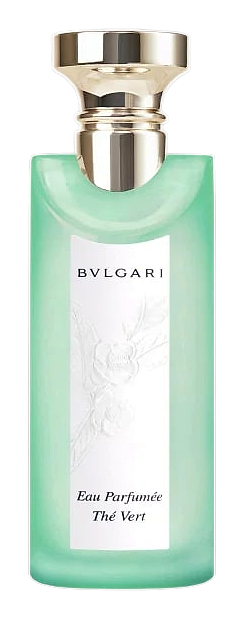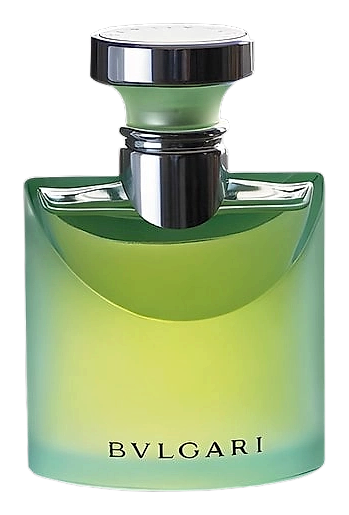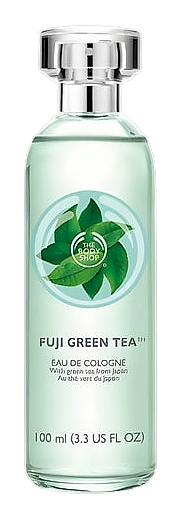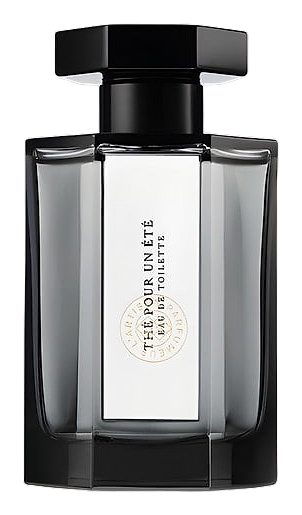

The Story
Why it exists.
The beginning
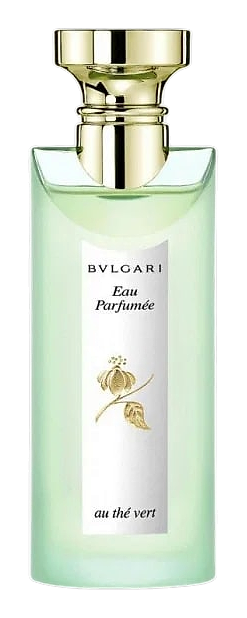
Before it was a perfume, Eau Parfumée au Thé Vert was an experiment. Jean-Claude Ellena, working at the close of the 1980s, stumbled onto something unusual: by layering hedione, a synthetic jasmine molecule, with violet-scented ionone, he could reconstruct the airy, leafy impression of steeped green tea using no actual tea at all. He brought the concept to Dior and Yves Saint Laurent, both of whom passed. They found it too creative, too far from the expected. Then Bvlgari stepped in. The house was interested in the fragrance primarily as a scent for its boutiques, developed in order to be able to offer interested customers a special perfume. At the time, such a gesture was rare.
What makes this composition genuinely interesting is its restraint. Most fragrances announce themselves. Thé Vert whispers. The tea note is a molecular impression built from hedione and ionone, two synthetic materials that, in combination, conjure the sensation of warm leaves steeping in porcelain, the steam curling upward, the morning still holding. Bergamot gives it the brightness of citrus zest cracking open, an Italian zest that sharpens the opening with a clean, almost bitter flicker before settling into the blend. There is no floral crash. There is no spicy interruption.
The evolution
The first fifteen minutes are almost entirely bergamot and air. Sharp, fizzy, slightly bitter, the way a squeezed citrus rind smells before the juice settles. Steeped-in-warmth green tea arrives quietly underneath, not a bold stroke but a slow layering, and within thirty minutes the two have merged into something indistinguishably clean. No floral crashes in. No spicy interruption. Just the gradual collapse of sharpness into softness, the citrus receding like a tide, leaving the tea impression dominant and surprisingly vegetal. There is a greenness here that hints at crushed leaves, at the cool interior of a stem snapped between fingers, at something growing rather than something composed. By the two-hour mark, the beeswax and tonka take over, turning the composition warmer and creamier, almost honeyed, though still light.
Cultural impact
Thé Vert remains a reference point for anyone who thinks green tea deserves more than a fleeting top note. It is a fragrance that found its audience not through advertising or celebrity endorsement but through the slow accumulation of devotion among those who encountered it and wanted to keep wearing it. The tea impression is treated as a complete accord, given room to breathe across the entire wear rather than vanishing after the opening minutes. For wearers drawn to the green, the vegetal, the quietly herbal, it offers something that still feels uncommon in the broader fragrance landscape.