
The Story
Why it exists.
The beginning
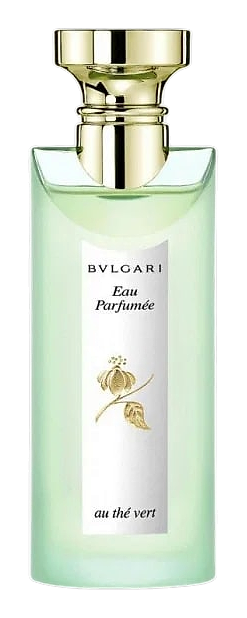
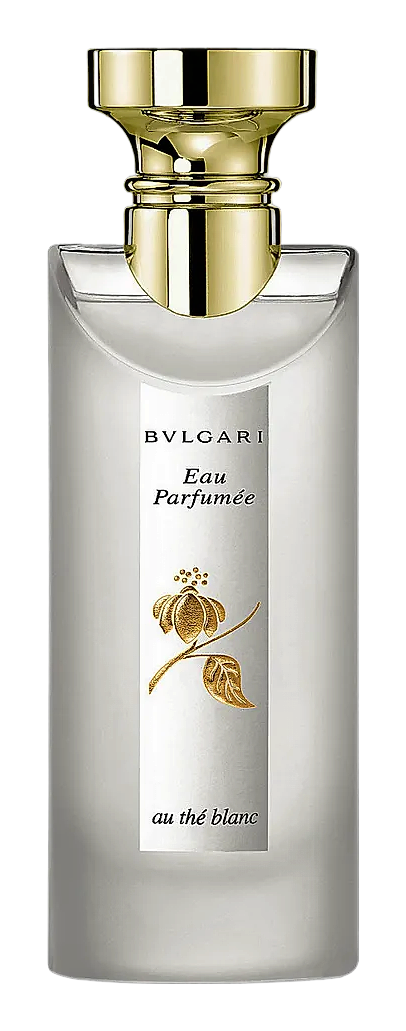
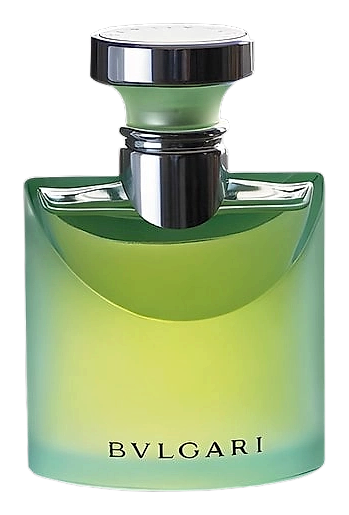
Jean-Claude Ellena approached green tea the way a jeweler approaches a rough gemstone, with respect for what's already there. In 1996, he translated the concept of green tea into Bvlgari's Eau Parfumée line, creating a fragrance that bypassed the typical citrus-fresh fragrance playbook entirely. The result was neither masculine nor feminine, neither summery nor wintery. It simply was.
What makes this composition unusual is Ellena's refusal to sweeten the tea. Where most green tea fragrances lean into honey or jasmine for comfort, Thé Vert Extrême keeps its tea dry and slightly vegetal, closer to the actual leaf than to a tea-flavored dessert. The addition of Bulgarian rose and cardamom in the heart gives it just enough softness to breathe, but the base remains anchored by that clean, almost mineral green tea that refuses to disappear.
The evolution
The opening arrives quickly: bergamot and orange blossom bright and clean, with coriander adding a faint herbal nudge. Within minutes, the citrus retreats and the heart opens, jasmine and rose soft against cardamom's quiet spice. The transition isn't dramatic; it's the difference between inhale and exhale. Then the green tea arrives, not as a note but as a presence, holding the composition together for the next three to four hours. The drydown is subtle, a woody warmth that lingers close to the skin, the kind of scent someone notices only when they're standing beside you.
Cultural impact
Eau Parfumée au Thé Vert Extrême arrived in 1996 as part of Bvlgari's experimental green tea line, predating the tea fragrance trend by over a decade. It remains a reference point for anyone building a minimalist citrus-green fragrance, proof that restraint and complexity aren't opposites.