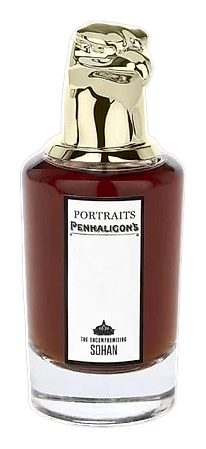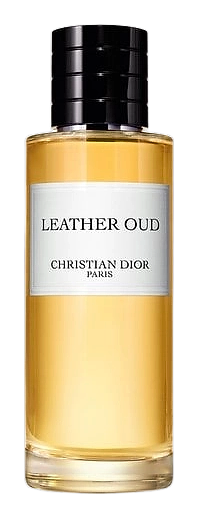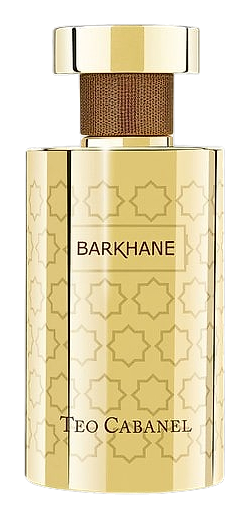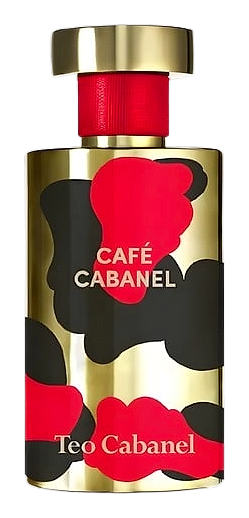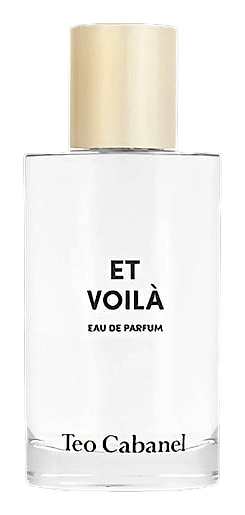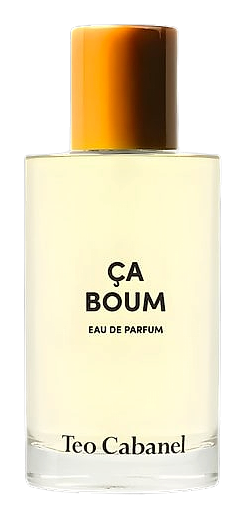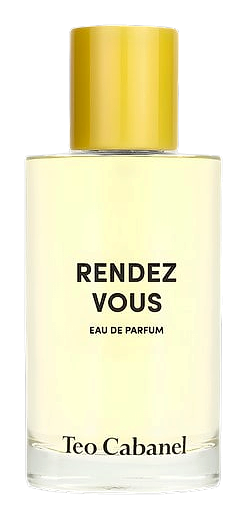
The Story
Why it exists.
The beginning
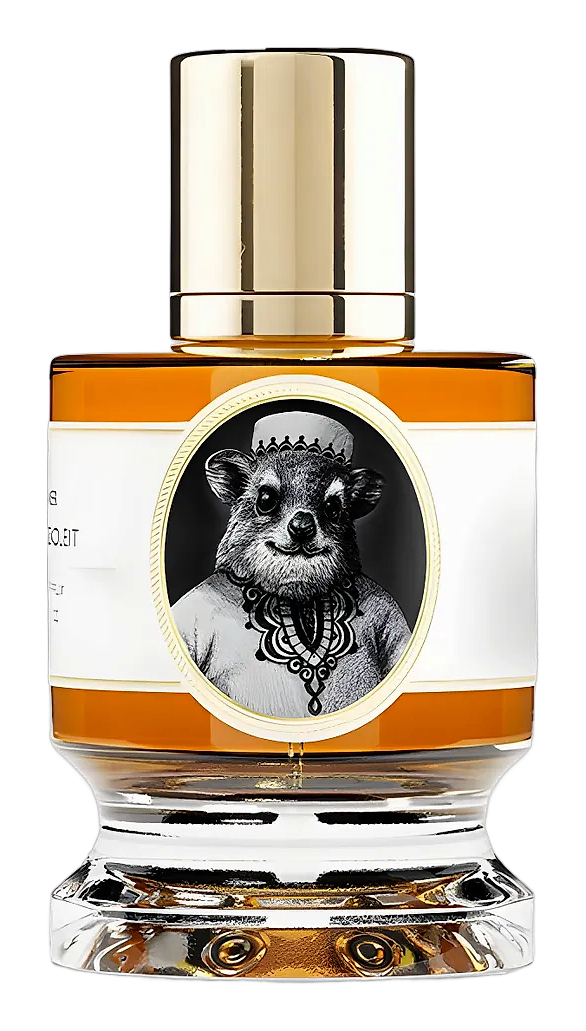
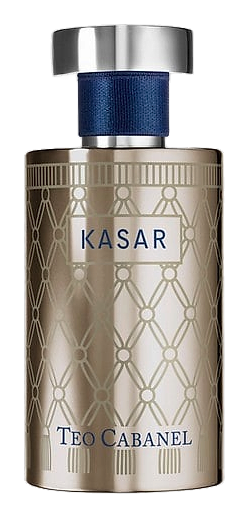
Kasar arrived in 2016 from the workroom of Jean-François Latty, a perfumer known for building bold, material-dense compositions. Teo Cabanel, the French house behind it, had been quietly operating for decades, building a catalog that leans toward the unconventional. The brief was clear: leather with everything else riding on it. The composition leans hard into its material read, a spicy-leathery statement that opens sharp and finishes dense. No safe cologne territory. No crowd-pleasing citrus-and-musk ending. Just heat, hide, and wood stacked in deliberate, uncompromising layers. Clove and saffron hit early, pulling the temperature up before the leather has a chance to settle in.
What separates Kasar from the broader leather-oud category is how the spices function. Clove and saffron arrive early enough to set the temperature before the leather reveals. That sequencing shapes the experience entirely, since the spices arrive first, almost like a warning shot, establishing warmth and intensity before the heavier materials even register. The base pulls from a heavier palette. Agarwood (oud), cedar, labdanum, patchouli, and musk all share the floor with leather. That density is intentional. Latty built the drydown to hold, to remain legible hours into the wear.
The evolution
The first thirty minutes feel almost fresh. Bergamot lifts the top, and the leather sits back, waiting. Then the spices wake up. Clove and cinnamon move forward with geranium and saffron, and the composition tilts from bright to warm in a single breath. This is where the character announces itself. Past the two-hour mark, the leather and oud take over the room. Labdanum adds a resinous sweetness underneath, patchouli grounds the structure, and cedar brings a dry, woody frame. The musk settles close to skin and stays there. As the hours pass, the projection pulls inward, but the scent remains present. It becomes quieter, more animalic, a skin scent that still reads as deliberate. On fabric the next morning, traces of leather and oud linger, a reminder that Kasar doesn't leave quietly. The transition between phases is where this composition does its real work.
Cultural impact
Kasar occupies a specific niche in the leather-oud conversation, the kind of composition that earns its place through material weight and structural honesty. It reads as a cold-weather composition, with wear stats skewing heavily toward fall and winter months among those who log their use on fragrance platforms. The fragrance suits a wearer who wants density without sweetening, warmth without compromise. The composition's appeal lies in its refusal to soften its edges. There's no top-note concession to accessibility, no citrus-and-musk resolution designed to broaden appeal.
The House
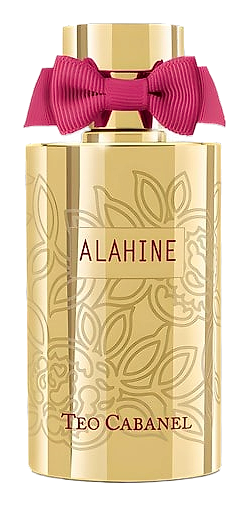
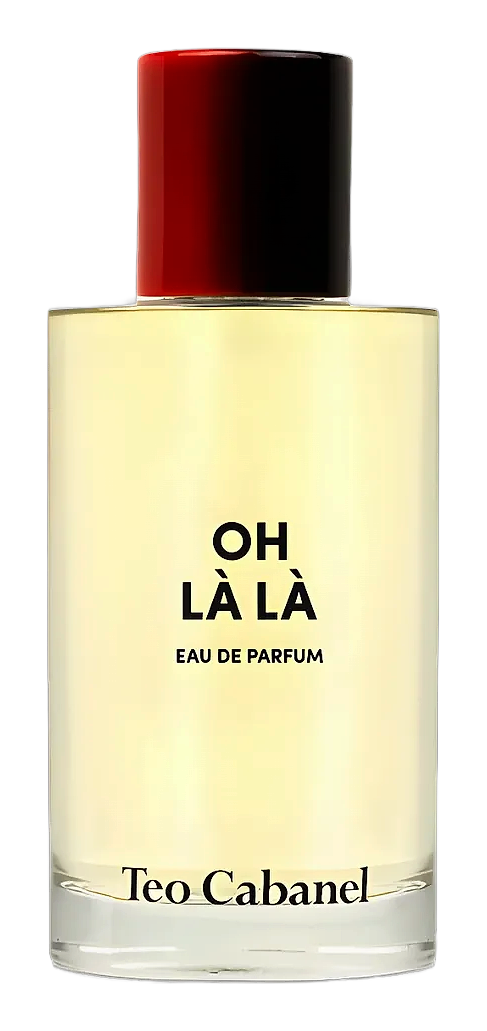
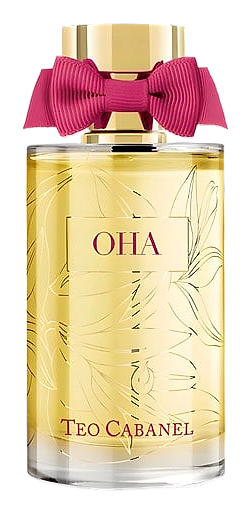
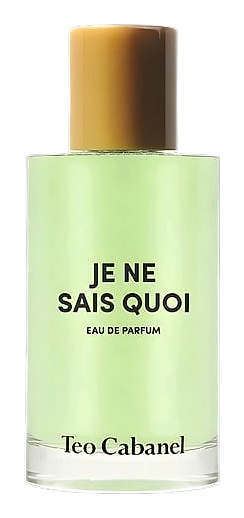
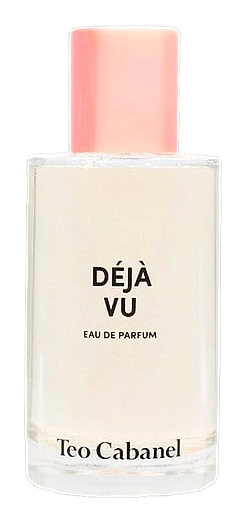
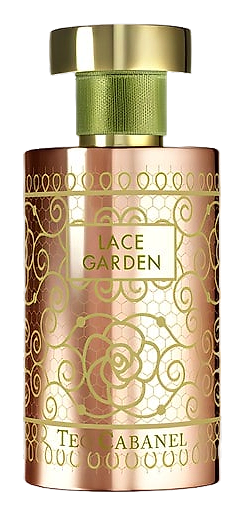
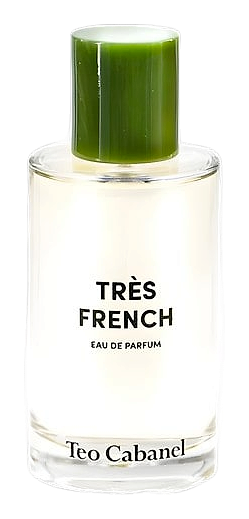
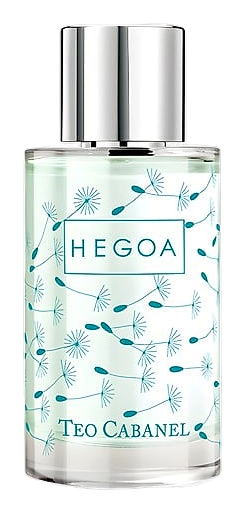
Teo CabanelTeo Cabanel is a French perfume house rooted in nineteenth-century tradition, founded in Algiers in 1893 by Théodore Cabanel, a physician and chemist. The brand occupies a distinct space in niche perfumery, offering fragrances that draw from classical French heritage while speaking to contemporary tastes. Today, the house operates under the direction of Caroline Ilacqua and produces its entire collection in France, maintaining the practices established by its founder. Each fragrance reflects a commitment to natural materials and transparent craftsmanship, appealing to collectors and enthusiasts who value authenticity over commercial appeal. The house publishes the ingredients for each perfume on its website, inviting customers to understand exactly what they are wearing.
The Creator
Jean-François LattyLatty's style reflects his unconventional path into the profession. Trained classically but shaped by field work and raw materials trading, he brings a grounded sensibility to his compositions.