The Story
Why it exists.
The beginning
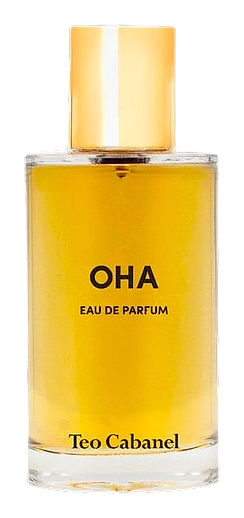
Bulgarian rose, cardamom, and jasmine form the core: warm, spiced, floral without apology. Patchouli and white musk anchor it, giving the composition weight and staying power that prevents it from floating away into airy abstraction. The tea-and-bergamot opening is the hook, the thing that makes it impossible to dismiss as just another rose fragrance. There's an unexpected coolness here, a mineral quality that catches the light and demands attention. The perfumer built something classical in structure but modern in its restraint, balancing tradition with a freshness that feels current. Bulgarian rose brings its signature velvety richness, the kind that can tip into heaviness if unchecked.
What makes Oha's composition work is the tea. Green tea in perfumery is tricky, it can read flat, medicinal, or bitter depending on how the material oxidizes during extraction. Here it gives the top a cool, slightly astringent quality that catches the light. Calabrian bergamot amplifies this effect, creating an opening that's more mineral than fruity. The cardamom adds warmth, the jasmine adds body, and the tonka bean adds a dry sweetness that prevents the base from becoming heavy.
The evolution
The opening announces itself clearly: bergamot's citrus snap, then the tea arrives with a cool, almost mineral clarity that feels intentionally austere. The rose begins its slow unfurling beneath the surface, building gradually rather than announcing itself all at once. Jasmine and cardamom support it, adding warmth and complexity, but the rose is the point. This is its show. The drydown arrives as the florals begin to soften, when the patchouli emerges from beneath the structure. It's earthy, slightly bitter, grounding what came before. White musk softens the edges. Tonka bean adds a whisper of sweetness, vanilla-adjacent but drier, never cloying. What remains is a foundation of patchouli and white musk that clings close to the skin, intimate and warm.
Cultural impact
Oha presents itself as a chypre that references its own history, with rose-patchouli and the cardamom warmth of vintage florals. The tea-bergamot opening introduces a modern sensibility, something that feels fresh and unexpected. It appeals to a wearer who wants something with depth but without the weight of old-school perfumery. The composition balances classical elements with contemporary restraint, creating something that feels both rooted in tradition and distinctly its own. It's the kind of fragrance that invites conversation, that rewards the wearer who takes time to notice its layers and evolutions.