





The Heritage
The Story of Teo Cabanel
Teo Cabanel is a French perfume house rooted in nineteenth-century tradition, founded in Algiers in 1893 by Théodore Cabanel, a physician and chemist. The brand occupies a distinct space in niche perfumery, offering fragrances that draw from classical French heritage while speaking to contemporary tastes. Today, the house operates under the direction of Caroline Ilacqua and produces its entire collection in France, maintaining the practices established by its founder. Each fragrance reflects a commitment to natural materials and transparent craftsmanship, appealing to collectors and enthusiasts who value authenticity over commercial appeal. The house publishes the ingredients for each perfume on its website, inviting customers to understand exactly what they are wearing.
Heritage
The story of Teo Cabanel begins in Algiers in 1893, when Théodore Cabanel, a trained physician and chemist, established his company in French Algeria. Unlike many perfume houses that emerged from apothecary or cosmetics traditions, Cabanel brought scientific training to fragrance creation, approaching scent composition with methodical precision. He cultivated orange trees in Nigeria, securing direct access to aromatic raw materials that would shape his early formulations. From Algiers, Cabanel developed colognes and aromatic quintessences that gained recognition among European clients seeking alternatives to mass-market offerings. The company eventually relocated to Paris, where it continued building a reputation for distinctive fragrances. The house attracted a following among prominent figures in French society, including reportedly the Duchess of Windsor, whose patronage lent the brand considerable cachet during the mid-twentieth century. This aristocratic endorsement positioned Cabanel among the distinguished perfumers available to society's most discerning circles. Caroline Ilacqua now leads the house, having inherited its archives and traditions while steering its evolution into the modern niche market. Under her direction, Teo Cabanel has maintained its French manufacturing roots while expanding its visibility among global fragrance enthusiasts. The brand's longevity, spanning over a century, reflects its ability to adapt to changing tastes without abandoning the principles that first defined it. The house operates from Paris and produces its perfumes in France, preserving a lineage that connects present-day wearers to nearly 130 years of French perfumery history.
Craftsmanship
The house produces all its fragrances in France, aligning with its stated commitment to quality manufacturing and traditional perfumery practices. Production occurs in the Grasse region, historically the center of French perfume production, where access to expertise and ingredient networks remains concentrated. Perfumers working for the house select materials based on aromatic quality and harmonious blending rather than cost optimization. Natural ingredients form the foundation of Cabanel's compositions, a position the brand maintains despite the convenience and lower cost of synthetic alternatives. The emphasis on naturals requires relationships with suppliers and knowledge of seasonal availability, adding complexity to the production process that mass-market houses typically avoid. Each ingredient contributes to the final fragrance according to its specific properties, with perfumers balancing contributions to achieve the intended character. The brand publishes ingredient transparency for each fragrance, allowing prospective wearers to examine the composition before purchase. This practice reflects confidence in the materials used and respects the intelligence of customers who wish to understand what they are applying to their skin. The house maintains that quality materials and traditional methods produce fragrances that reward attentive wear, distinguishing them from products that rely on novelty or marketing rather than olfactory substance.
Design Language
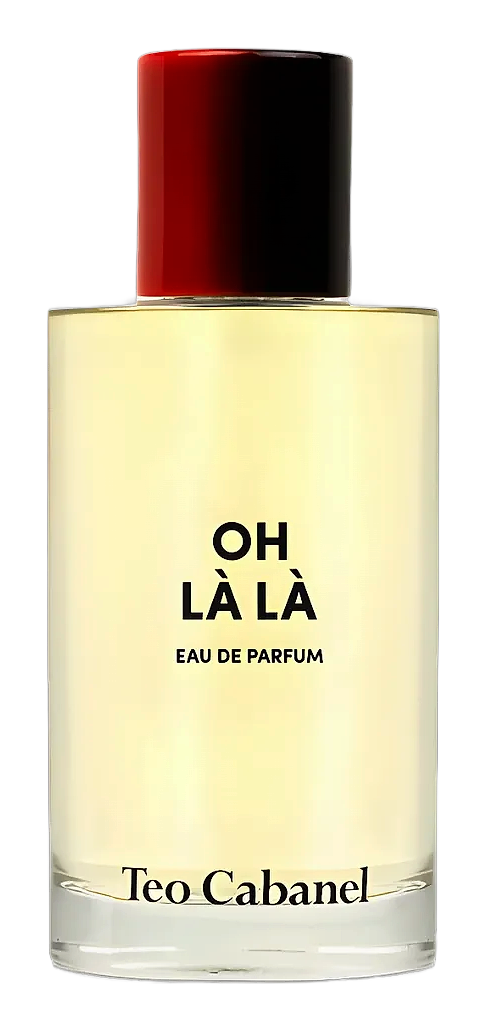
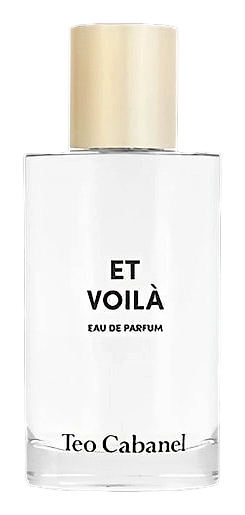
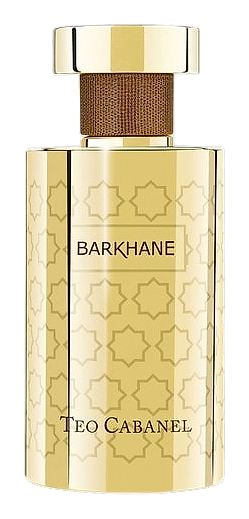
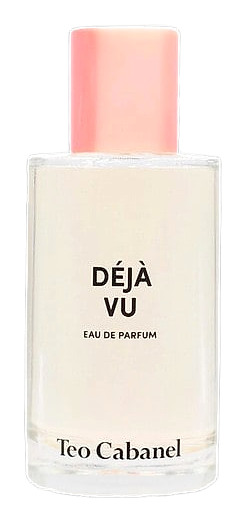
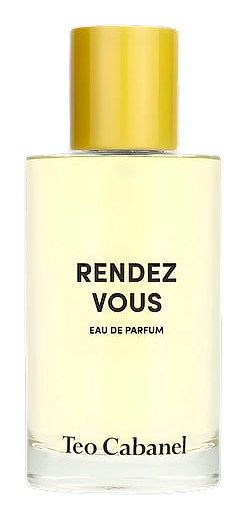
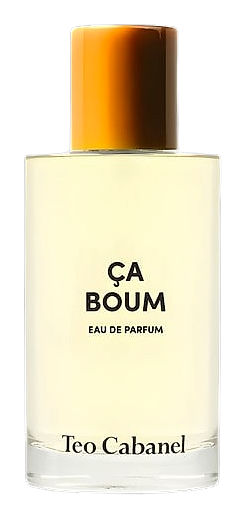
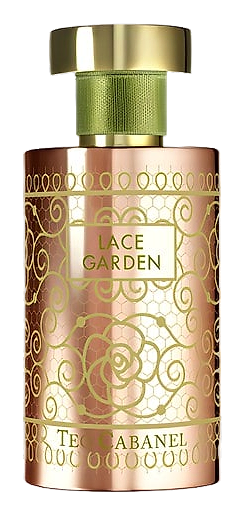
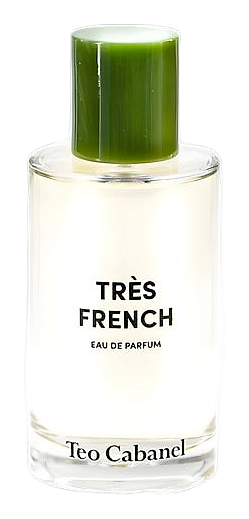
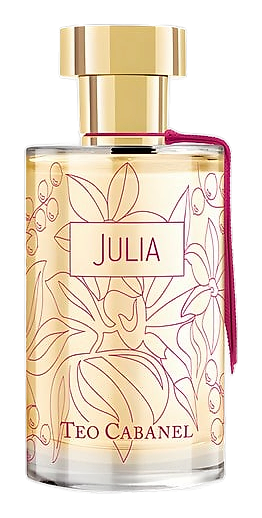
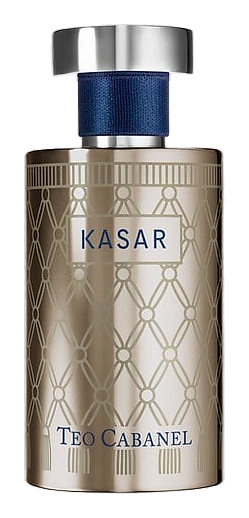
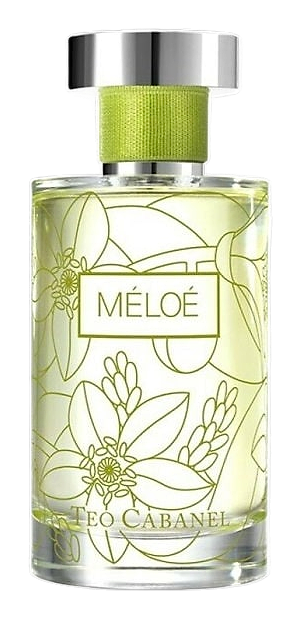
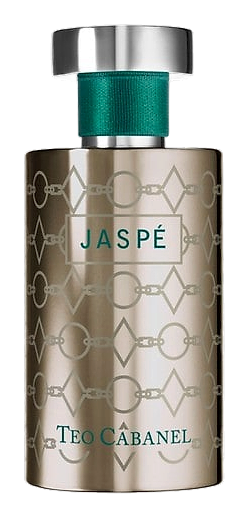
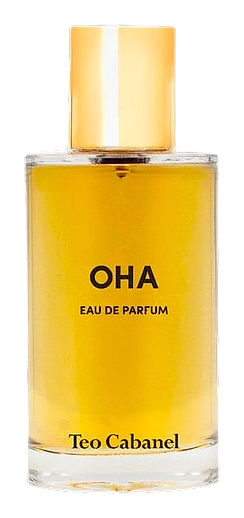
Teo Cabanel's visual presentation conveys understated refinement, favoring simplicity over ostentation. The brand's packaging and bottle design utilize clean lines and muted tones, projecting the quiet confidence of a house that does not require dramatic presentation to communicate its credentials. This aesthetic restraint aligns with the brand's broader philosophy, suggesting that quality should speak for itself without excessive embellishment. The house projects heritage through its visual identity without relying on nostalgia or period styling. Contemporary design elements keep the brand relevant to modern consumers while maintaining the gravitas of its historical lineage. The overall effect suggests a confident mature brand that has moved beyond the need to prove itself through visual spectacle. Photography and editorial content associated with the house emphasize the fragrances themselves and the natural materials from which they derive. This content strategy reinforces the brand's focus on ingredients and craftsmanship while avoiding the lifestyle imagery that dominates commercial perfume marketing. The approach appeals to enthusiasts who evaluate fragrances through olfactory experience rather than celebrity endorsement or aspirational positioning.
Philosophy
Teo Cabanel frames its work around transparency and natural materials, presenting ingredient lists openly rather than obscuring formulation details. The house positions itself as a creator of niche perfumes made in France with high-quality natural materials, prioritizing authenticity over broad commercial appeal. This approach reflects a belief that customers deserve to know precisely what composes the fragrances they wear. The brand rejects the notion that perfume should be evaluated solely through longevity statistics or sillage measurements. Instead, Cabanel emphasizes the artistry of composition, arguing that a fragrance's quality resides in its structure and the relationships between materials rather than in overwhelming presence. This stance places the house in deliberate contrast to marketing practices that emphasize artificial concentration or synthetic intensity as selling points. Cabanel's philosophy also encompasses environmental consideration. The brand explicitly states that its production respects both the planet and the people who wear its fragrances. This value shapes decisions around ingredient sourcing and manufacturing, though the house relies on quality materials and traditional methods rather than advertising campaigns to communicate its commitment. The approach suggests that craftsmanship and ethical production are assumed obligations rather than distinguishing features to be promoted.
Key Milestones
1893
Théodore Cabanel, a physician and chemist, establishes his perfume house in Algiers, French Algeria.
1910s-1940s
The company gains recognition among European clientele, reportedly including members of French aristocratic circles.
Mid-20th century
The house relocates to Paris, consolidating its operations closer to the center of French luxury goods production.
2007
The house releases Alahine, a fragrance that would become one of its most discussed compositions among niche fragrance enthusiasts.
2012
Cabanel introduces Hegoa, expanding its portfolio of perfumes built around natural materials and classical structure.
2019
Café Cabanel launches, offering a gourmand interpretation that explores aromatic depth through natural materials.
At a Glance
Brand profile snapshot
Origin
France
Founded
1893
Heritage
133
Years active
Collection
2
Fragrances released
Avg Rating
4.0
Community sentiment
Release Rhythm


