The Story
Why it exists.
The beginning
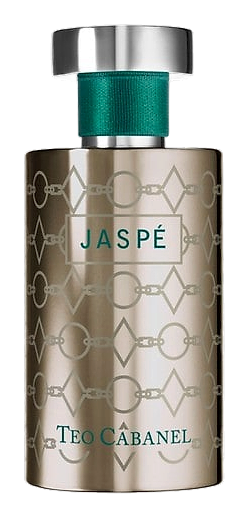
Jaspe arrived in 2016 from Jean-François Latty, the perfumer behind Teo Cabanel's masculine compositions. The brief was elegant and modern, expressing what the brand called the splendor and virility of purebreds through tints of wood and lavender. Latty built the structure around a fougère framework: fern and geranium anchoring a green, slightly aromatic heart, with spice lifting the middle without overpowering. The name itself suggests mineral, jasper, the opaque stone, a reference to the cool, stone-like clarity of the aquatic opening that distinguishes this from heavier aromatic fougères. It's a fragrance for someone who wants the form without the volume.
The fougère accord, built on lavender, fern, and coumarin, is one of perfumery's oldest structures, invented in 1882. Latty modernizes it here by threading aquatic coolness through the classic form. Where traditional fougères lean warm and powdery, Jaspe stays close to the skin, breathing marine restraint through what could have been a dusty, traditional heart. The inclusion of papyrus alongside the expected vetiver and sandalwood is the unusual move, papyrus adds a dry, slightly smoky mineral quality that grounds the composition and prevents it from floating into abstraction. Leather appears only at the edges, a suggestion rather than a statement.
The evolution
The opening hits clean: bergamot first, then lavender arriving with its herbaceous edge intact, not the softened, soapy lavender of mainstream masculines. Within twenty minutes, the heart takes over. Fern and geranium bring a green, almost marine quiet, while nutmeg and cardamom add warmth underneath without disrupting the cool surface. The transition to the drydown is gradual, over the next two to three hours, the aquatic brightness recedes and the woody base emerges. Vetiver leads, papyrus follows with its dry, mineral character, and sandalwood softens the whole thing into something close and intimate. The leather never fully announces itself, it's there if you press your nose to your wrist, a whisper by then. On fabric, the drydown holds for another three to four hours, quieter but persistent. The next morning, a faint trace of sandalwood and vetiver remains, clean, restrained, like the memory of a breeze.
Cultural impact
Jaspe arrived at a moment when the masculine fragrance market was oscillating between bold oud-driven orientals and extreme aquatic fresheners. The 2016 release staked out a different position, one that echoed the restrained refinement of classic fougères while incorporating contemporary mineral-woody notes that appealed to consumers growing fatigued by performative masculinity in scent. The Teo Cabanel house itself carries a specific cultural weight: founded in 1893, it represents one of France's oldest continuously operating fragrance houses, yet one that deliberately avoids the heritage-brand nostalgia trap. Wearing Jaspe signals an awareness of fragrance history without demanding it from others.