The Story
Why it exists.
The beginning
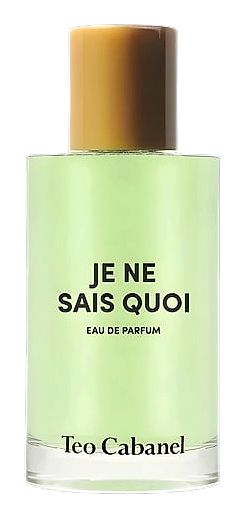
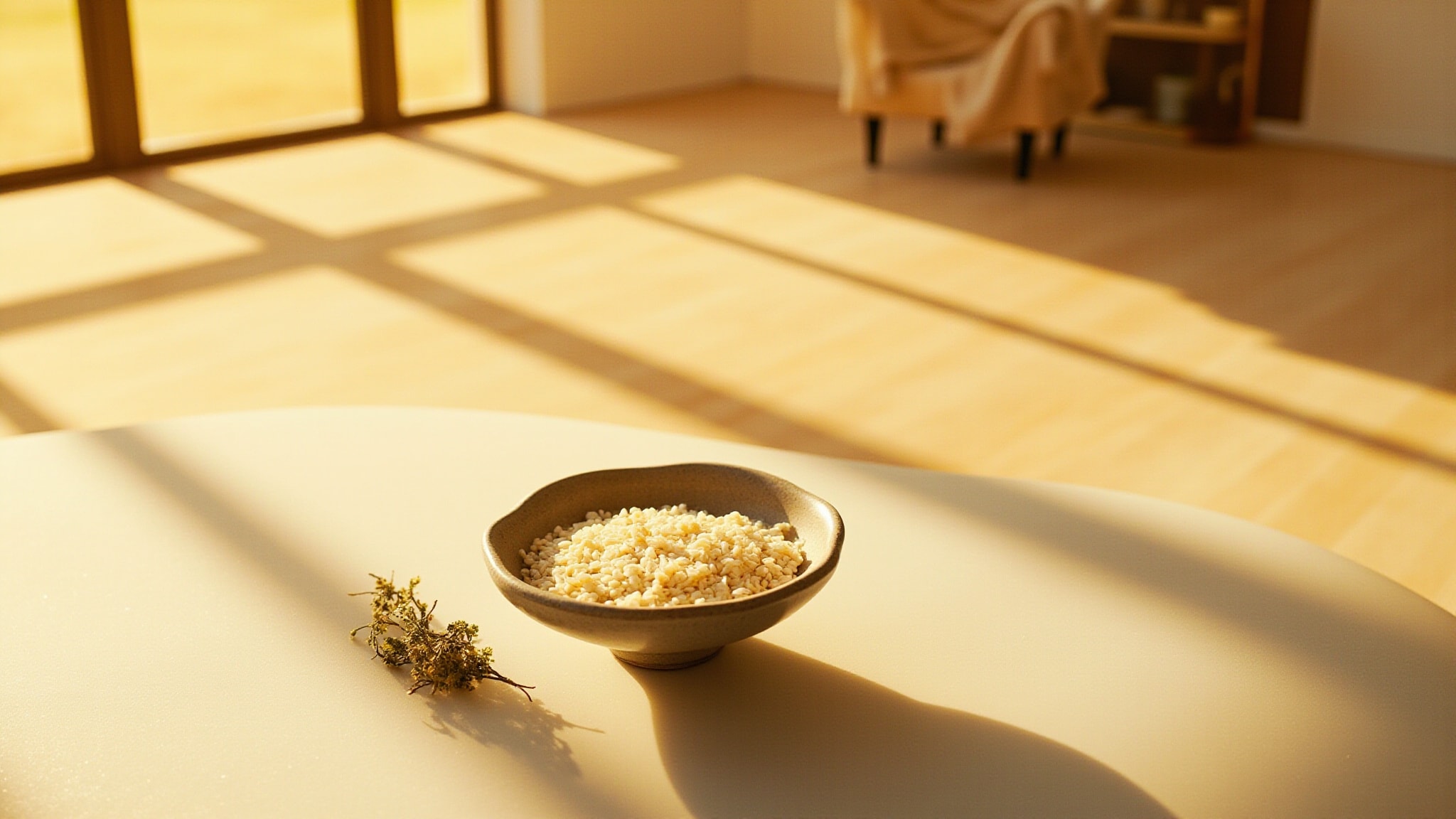
The name is the concept: Je ne sais quoi, "I don't know what." Patrice Revillard wanted a fragrance that refused easy explanation. His source was genmaicha, a Japanese tea where roasted rice grains rest alongside sencha leaves, producing a warm, nutty, quietly addictive aroma. The idea was to isolate that singular quality, the moment rice becomes more than rice, pushed past itself. But as a fragrance, not a cup.
The composition uses puffed rice as an opening note, which is unusual, rice is typically a supporting material in perfumery, not a feature. Revillard treats it as the star. The green tea heart combines mate and matcha, giving the middle section an aromatic bitterness that balances the sweetness of the grain. Then the base reverses expectation: where most tea fragrances go light and airy, this one anchors into vetiver, guaiac, and sandalwood, dry, woody, close to the skin. The tolus balsam adds a warm resin without sweetness. What arrives on skin is a fragrance that begins by smelling edible and ends by smelling grounded.
The evolution
The opening hits immediately, warm, toasted, with a hazelnutty undertone that reviewers consistently note. The rice doesn't wait. Within ten minutes, mate and matcha arrive in the heart: robust, aromatic, with a powdery quality from the matcha that keeps the composition from going sharp. The violet leaf adds a green, slightly ozonic note that lifts the middle without making it feel airy. Then the woods take over. Haitian vetiver and guaiac anchor the base, keeping the sweet-toasted quality present but no longer dominant. The drydown is quiet, intimate sillage, lasting into the evening on most skin types. What stays is the warm-smoke of vetiver over a clean, dry wood finish. The next morning, there's a faint trace of sandalwood and tolu, comfortable, not insistent.
Cultural impact
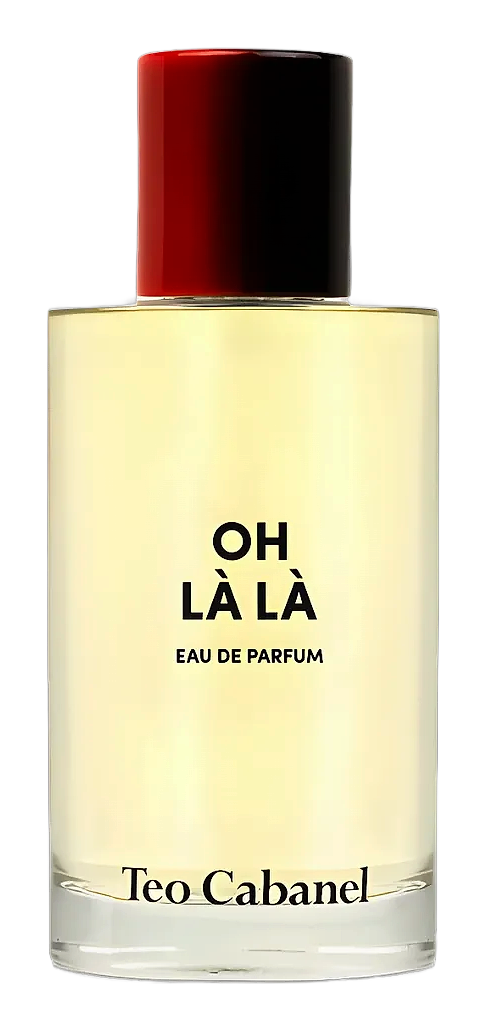
Tea fragrances have become a steady category in niche perfumery, clean, contemplative, and appealing to the wellness-adjacent consumer who wants complexity without projection. Je Ne Sais Quoi sits comfortably in this space: it doesn't challenge or provoke, it invites. The genmaicha inspiration gives it a specificity that sets it apart from generic green tea compositions. It's the kind of fragrance that performs quietly and earns repeat wear, not a statement piece, but a second skin. The clean, minimalist aesthetic of Teo Cabanel's branding reinforces this positioning: no drama, no spectacle, just a well-made thing.