Puffed rice
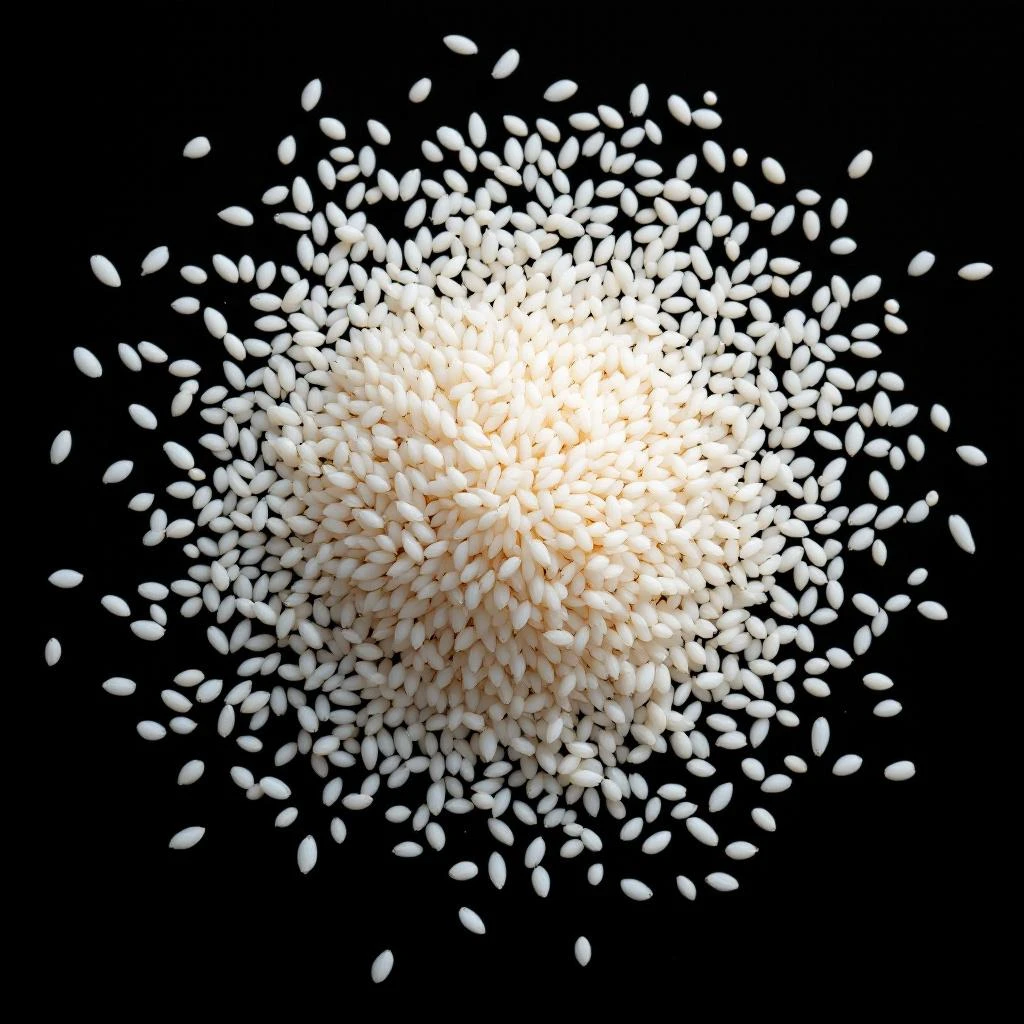
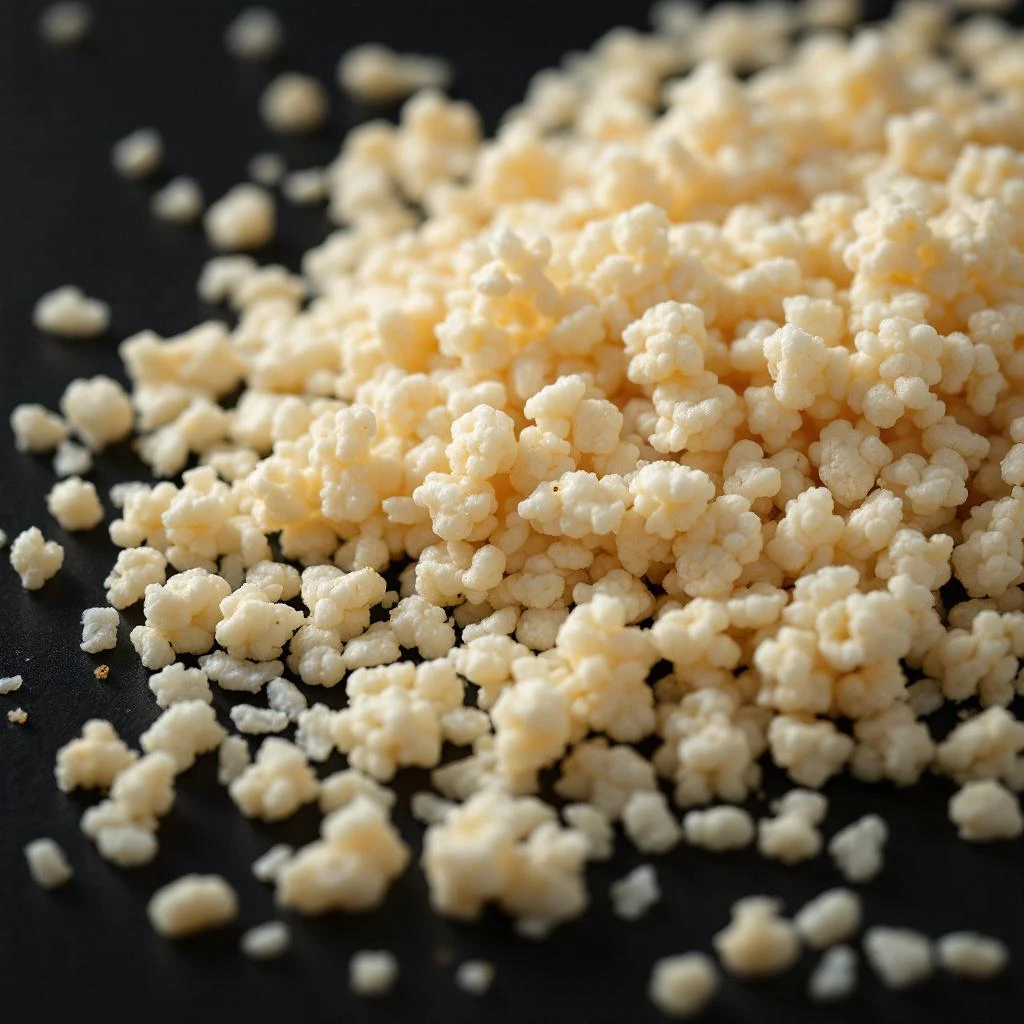
Puffed rice brings a warm, toasted cereal quality to perfumery. Its gentle, powdery softness balances heavier base notes while adding an unexpected gourmand dimension. The scent evokes freshly popped kernels and warm kitchens.
Character
How it smells
The quiet warmth of toasted kernels
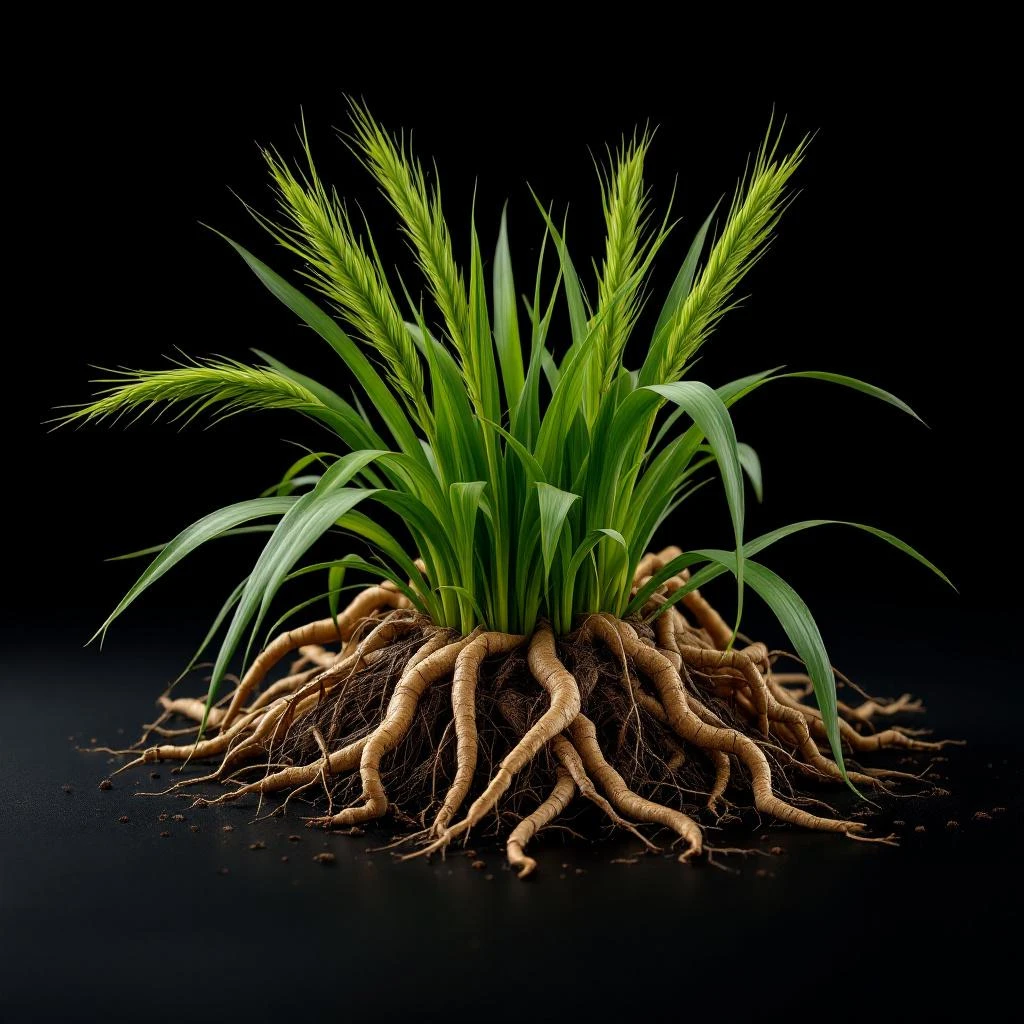
The same compound responsible for basmati's aroma, 2-acetyl-1-pyrroline, gives puffed rice its distinctive toasted character.






Origin
India
While puffed rice has ancient roots in South Asian cuisine, the modern industrial method for producing it is attributed to American innovation in the late 19th and early 20th centuries. The technique of applying controlled heat and pressure to preconditioned rice grains transformed what was once a labor-intensive process into a scalable industrial operation. Rice itself carries millennia of significance across Asian cultures as both sustenance and ceremonial element.
In perfumery, the integration of grain-based notes represents a broader movement toward edible, comforting fragrances that blur the line between kitchen and vanity. The Cornell research tracing the fragrance gene in rice to basmati ancestors connects the ingredient to centuries of aromatic rice cultivation across the Indian subcontinent.
Wears it best
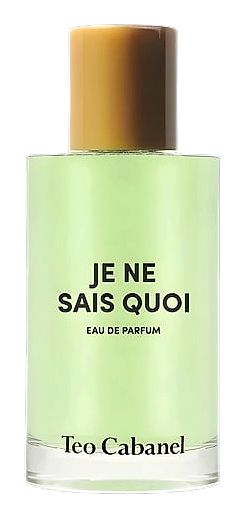
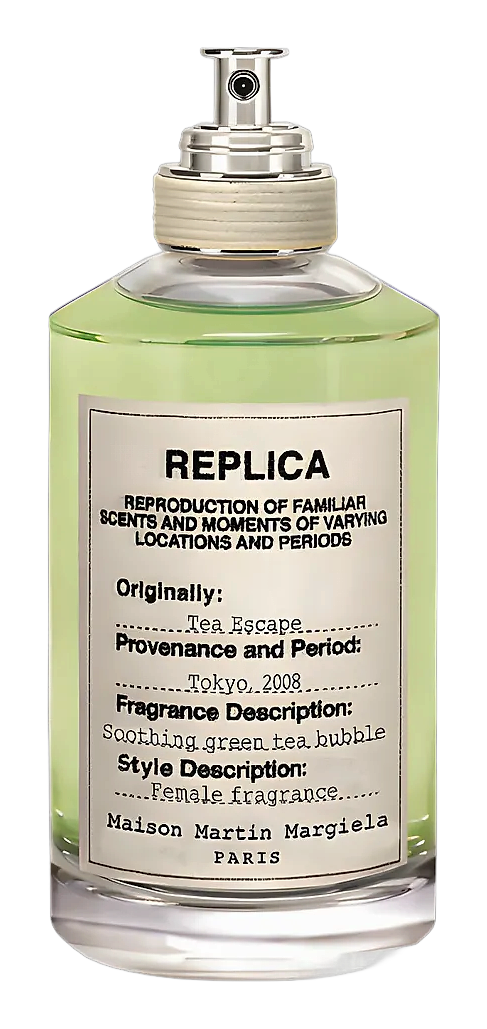
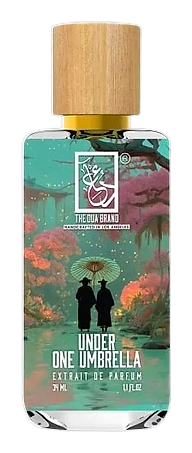
Fragrances featuring Puffed rice

Brands
Brands known for Puffed rice
Good to know
Questions, answered
The essentials on Puffed rice in perfumery: how it smells, where it comes from, and how it behaves on skin.
What does puffed rice smell like in fragrance?
Puffed rice contributes a warm, toasted cereal aroma with powdery, slightly sweet undertones. It creates a comforting, gourmand character in fragrance compositions.
Is puffed rice a natural fragrance ingredient?
Puffed rice is typically recreated synthetically in perfumery. The key aroma compound, 2-acetyl-1-pyrroline, is produced artificially to capture the characteristic grain scent.
What fragrance family uses puffed rice?
Puffed rice functions as a heart note and appears most often in oriental, gourmand, and fresh woody fragrance families. It provides warmth and body without heavy weight.
What is 2-acetyl-1-pyrroline?
2-Acetyl-1-pyrroline (2-AP) is the aromatic compound responsible for the scent of fragrant rice varieties like basmati and jasmine. It exists at trace levels but defines the characteristic grain aroma.
Does puffed rice smell like cooked rice?
No, puffed rice captures the toasted, popped quality rather than steamed rice. The scent is drier, more cereal-like, and reminiscent of fresh popped kernels.
Which fragrances feature puffed rice?
Puffed rice appears in several niche and designer fragrances that explore edible, comfort-oriented themes. Look for it in oriental and powdery compositions.
How does puffed rice behave in fragrance blends?
Puffed rice works as a bridge note, connecting fresher top notes with richer base elements. It softens edges and adds creamy warmth without dominating the composition.
Where does the rice for puffed rice come from?
While ancient varieties originated in South and Southeast Asia, modern industrial production occurs globally. India remains a primary source of fragrant rice varieties used in research and flavor production.