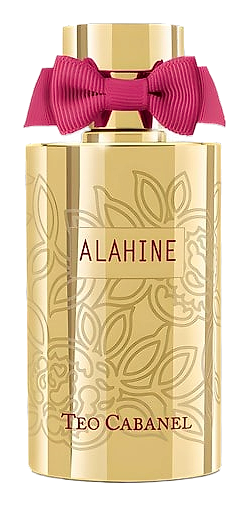

The Story
Why it exists.
The beginning
In 2007, Jean-François Latty created Alahine as a portrait of something specific: the honeyed Moroccan rose at the center of luxurious oriental palaces. Not a fantasy of the East, but the actual flower, rich and true. The Bulgarian rose adds depth, but the Moroccan rose is the tell. That's the Orient this fragrance reaches for, not the spice route, not the bazaar. The rose takes center stage, and everything else orbits around its genuine character. It's the kind of focused dedication to a single note that makes a fragrance feel honest rather than overloaded.
What makes this composition unusual is the structure. The florals arrive first, almost reluctantly, before the honeyed rose and ylang-ylang establish themselves as the true heart. Ylang-ylang carries a creamy, warm character that pairs beautifully with rose without competing. The base is where Teo Cabanel's philosophy becomes clear: iris powder, labdanum resin, and white musk create a soft, intimate foundation that stays close to the skin for hours without projecting aggressively.
The evolution
The opening is the first surprise. Lavender and pink pepper arrive clean and almost cool, not what you'd expect from a rose-and-amber composition. Bergamot adds brightness, but it's the pink pepper that keeps things from getting sweet too fast. For a while, Alahine smells like a different fragrance. Then the florals arrive. Bulgarian rose, jasmine, ylang-ylang, the heart opens slowly, blooming into something honeyed and warm. The transition isn't dramatic; it's more like the room warming up. The drydown is where Alahine earns its reputation. Benzoin, vanilla, sandalwood, and iris form a powdery, resinous base. The labdanum adds a subtle resinous quality that prevents it from going too sweet. The base is intimate, meant to be discovered at close range, lingering for hours with quiet presence.
Cultural impact
Community reviews consistently describe Alahine as retro, elegant, and well-balanced. The honeyed Moroccan rose at its center gives it a distinctive character that stands apart from both modern florals and aggressive orientals. It's the kind of fragrance that attracts a following precisely because it doesn't try to please everyone. The powdery oriental character feels like a deliberate choice rather than an accident, offering something for those who appreciate restraint and authenticity in their scent.
The House
Teo CabanelTeo Cabanel is a French perfume house rooted in nineteenth-century tradition, founded in Algiers in 1893 by Théodore Cabanel, a physician and chemist. The brand occupies a distinct space in niche perfumery, offering fragrances that draw from classical French heritage while speaking to contemporary tastes. Today, the house operates under the direction of Caroline Ilacqua and produces its entire collection in France, maintaining the practices established by its founder. Each fragrance reflects a commitment to natural materials and transparent craftsmanship, appealing to collectors and enthusiasts who value authenticity over commercial appeal. The house publishes the ingredients for each perfume on its website, inviting customers to understand exactly what they are wearing.
The Creator
Jean-François LattyLatty's style reflects his unconventional path into the profession. Trained classically but shaped by field work and raw materials trading, he brings a grounded sensibility to his compositions.