
The Story
Why it exists.
The beginning
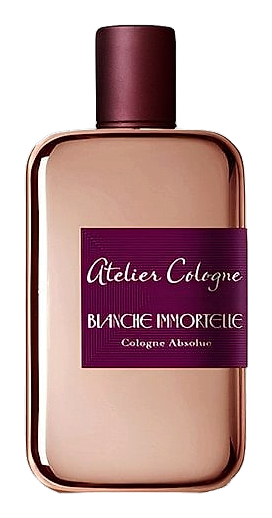
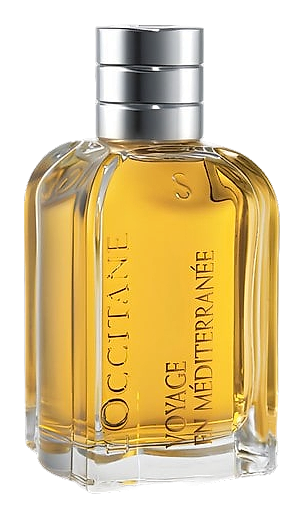
The immortelle grows wild across Corsica's sun-baked hillsides, and unlike most flowers, it never wilts, even after being cut, it holds its color and shape indefinitely. Claire Chambert built Immortelle de Corse around this botanical anomaly, the 2011 fragrance translating the paradox of a flower that refuses to fade into something you can wear. The brief was simple: capture the scent of that persistence, the golden warmth of a bloom that outlasts everything around it. White honey lends a soft sweetness, tea adds depth, and rose brings a quiet floral heart to the composition. The immortelle doesn't just reference the flower. It embodies the island's quiet defiance against time.
What makes Immortelle de Corse unusual is the tension between its sweetest and sharpest notes. The immortelle carries a hay-like, almost medicinal warmth that could tip into something harsh, but the white honey softens it, turning that herbal edge into something syrupy and golden instead. The black tea in the heart does the opposite work: it keeps the honey from sliding into something too sweet, adding a quiet bitterness that reads as sophistication rather than astringency. Rose sits in the middle, neither loud nor invisible, it softens the transition between honey's warmth and the tea's dry edge.
The evolution
The opening hits with an immediate golden warmth, the immortelle announcing itself without apology, honeyed and resinous, with an herbal undertone that suggests dried stems rather than fresh blooms. The black tea arrives to cut through the sweetness with a tannic dryness that reframes everything above it. The rose doesn't bloom so much as soften the transition, appearing as a quiet blush rather than a statement. The benzoin takes over, warm, slightly vanillic, sticky in the best possible way. The iris adds powder, the musk adds skin-warmth, and the immortelle, rather than disappearing, lingers underneath like a memory of the opening. The drydown holds close to the skin, intimate and resinous, with occasional flickers of that herbal note still visible. On fabric, it outlasts the skin itself, lingering in the weave of a scarf or the collar of a coat.
Cultural impact
Immortelle de Corse occupies a quiet corner of the fragrance world, discontinued but remembered, sought by those who discovered it and now passed between collectors. The immortelle note itself remains uncommon, appearing in only a handful of compositions, with Serge Lutens Jeux de Peau being the most cited comparison, which gives the fragrance a specificity that most flankers and limited editions never achieve. This scarcity has made it a collector's piece, the kind of fragrance that defines a certain kind of wearer.