The Story
Why it exists.
The beginning
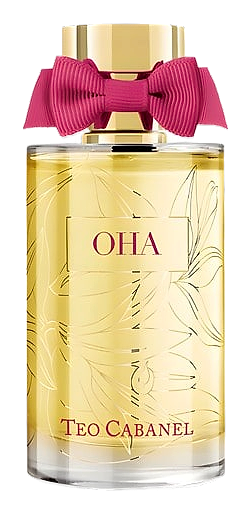
Jean-François Latty created Oha in 2005 with a specific intention: to place rose at the center of a structure that could support it without softening it. The brief wasn't another pretty floral. It was an interrogation of what rose could do when given chypre architecture and a cool green counterpoint. Tea became that counterpoint, not as afterthought, but as deliberate foil to the rose's richness. The name itself suggests something named, something chosen for its own meaning rather than borrowed elegance.
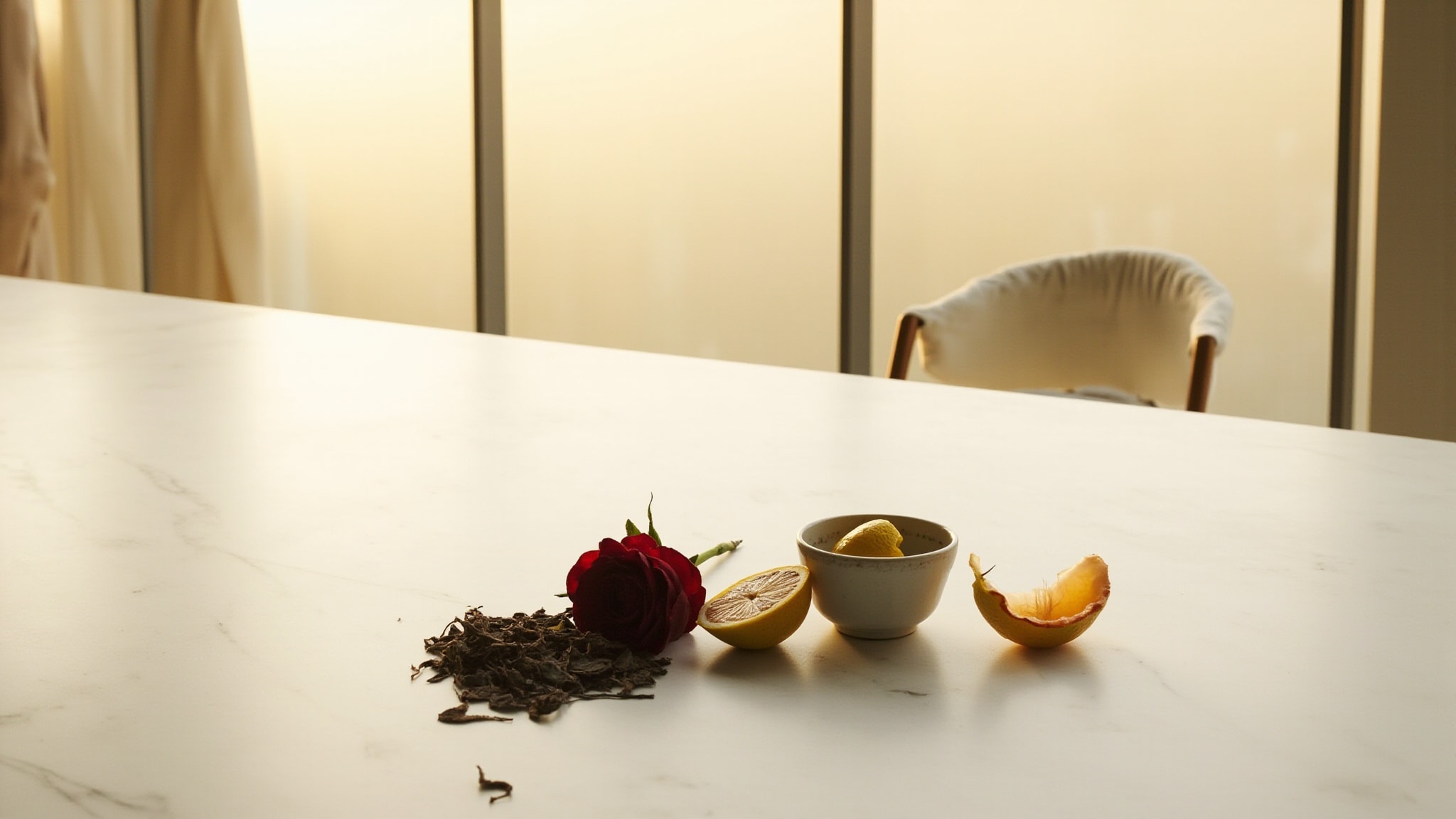
What makes Oha interesting is the cardamom. It's not a garnish. In the heart, alongside Bulgarian and Moroccan rose, it pushes the composition away from sweetness and toward something spiced, almost resinous. The tea in the opening does essential work too, its slight bitterness keeps the bergamot from reading as simple citrus. By the time the base arrives, iris and tonka bean have softened everything into powdery warmth, but the foundation remains that initial tension between cool and warm, green and sweet. That's the structure. That's what holds it together.
The evolution
Oha opens with bergamot and tea, bright, crisp, almost astringent. The tea is the surprise here, lending an aromatic bitterness that makes the bergamot feel less like a cologne and more like a garden after rain. Within twenty minutes, the roses arrive. Bulgarian, Moroccan, Egyptian jasmine, a full floral heart that could read heavy, but the cardamom keeps it grounded in something warmer, spicier. The jasmine doesn't overpower. It integrates. By the third hour, the composition shifts. Iris emerges with its powdery violet facets, tonka bean adds a soft sweetness, vanilla rounds the edges. The sillage drops. What was a confident presence becomes intimate, close, the kind of fragrance you notice on yourself rather than on others. Six to eight hours, though the final hours are quiet. A whisper, not a statement.
Cultural impact
Oha occupies a specific space: classical chypre structure, opulent florals, a retro elegance that reads as sophisticated rather than dated. It's the kind of fragrance that attracts someone who finds modern florals too sweet or too synthetic. The comparison that surfaces most often is Shalimar, not in notes, but in spirit. Both are fragrances that require a certain confidence to wear. Both reward patience.