The Story
Why it exists.
The beginning
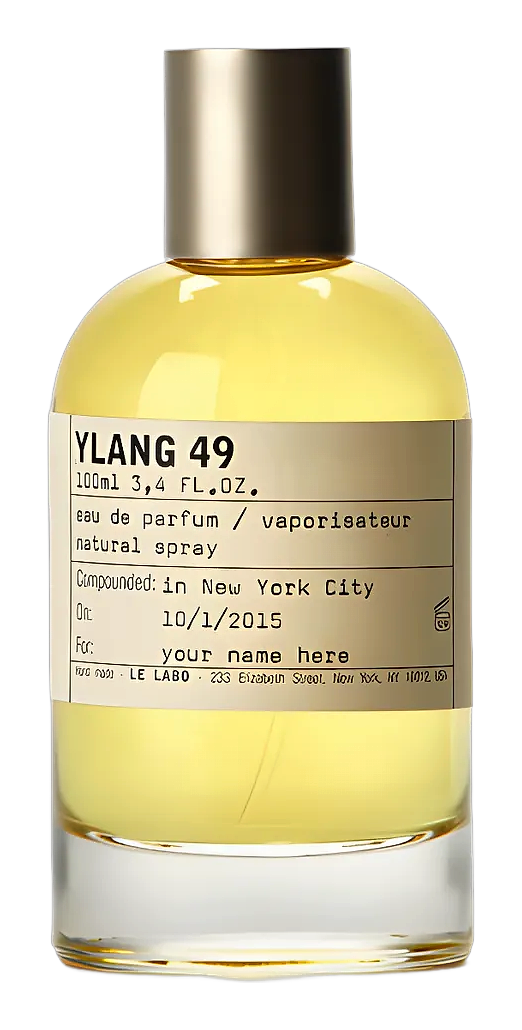
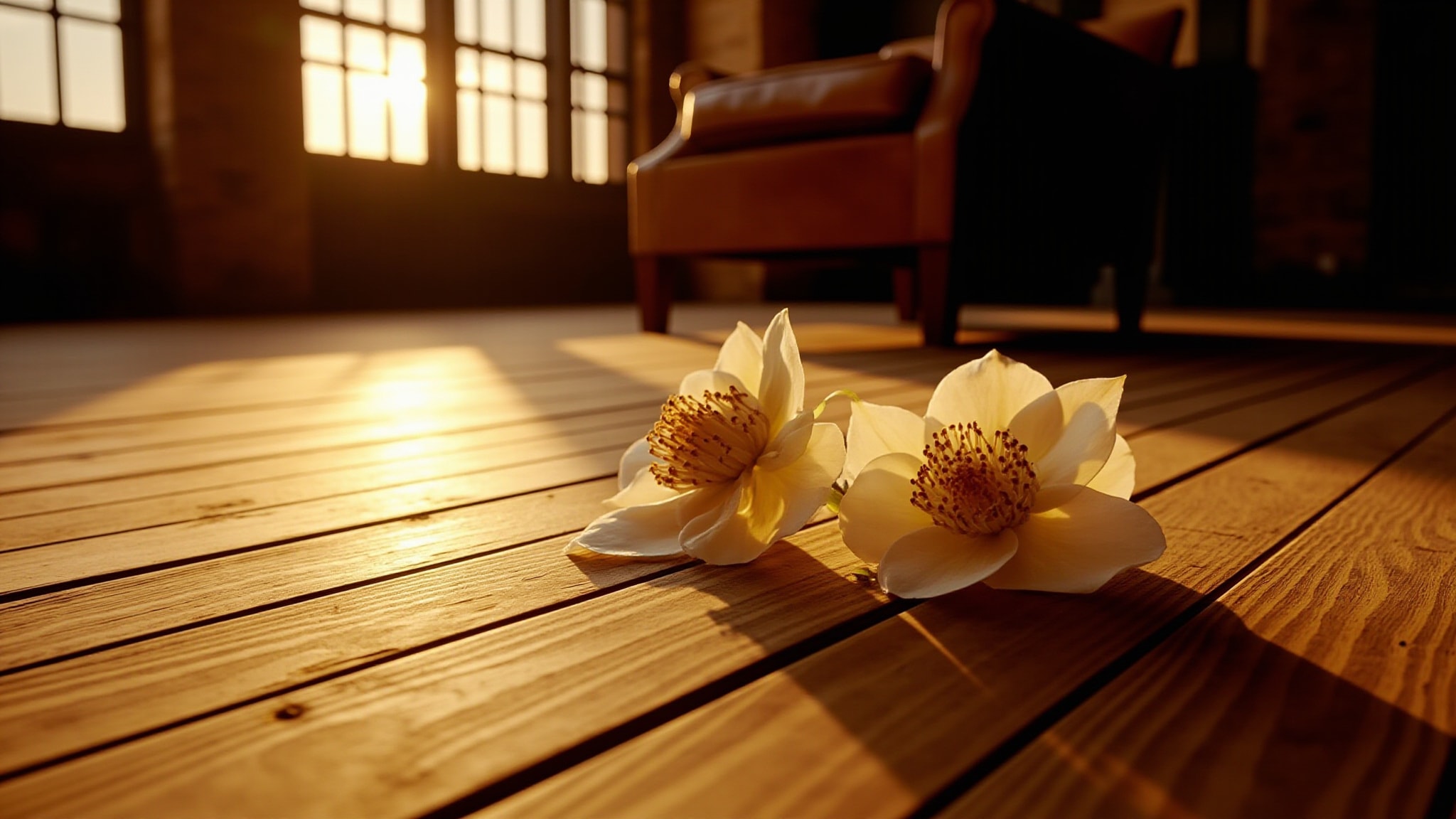
The chypre is the architecture that Le Labo has been quietly rebuilding since 2006. Keep the oakmoss, skip the heavy synthetics, and you can do something interesting with the old form. Frank Voelkl took that brief and applied it to one of perfumery's most lush materials, ylang-ylang, the yellow flower whose sweetness can tilt toward banana, toward cream, toward something almost fermenting if you're not careful. The goal was a chypre that felt like the original's complexity but without the antique weight. Pua noa noa, gardenia from Tahiti, completes the floral voluptuousness of ylang-ylang, adding its own waxy, indolic cream to the heart.
The floral richness here is the point. Ylang-ylang and Tahitian gardenia together create a yellow-flower intensity that isn't afraid of its own lushness, cream and banana and something almost tropical. What keeps it from tipping into something cloying is the moss-patchouli base doing what chypre moss has always done: grounding the sweetness in something mineral, earthy, structured. It's the tension that makes it work. The warmth of benzoin in the drydown adds a balsamic sweetness that the florals lean into without ever resolving, the structure holds the richness without letting it spill.
The evolution
The opening hits with a burst of yellow flowers, gardenia leading over ylang-ylang in a way that feels creamy and immediate, almost tropical, but not quite. Within 20 minutes, the oakmoss and patchouli arrive and the composition shifts. The florals don't disappear. They recede to make room. The heart is where gardenia and patchouli exist together, gardenia's waxy sweetness softened by the earth's bitter depth. The drydown is where this fragrance earns its reputation. Sandalwood and benzoin create a warmth that sits close to the skin, intimate rather than announcing. Patchouli lingers in the base, a reminder of where you've been. Moderate sillage means it doesn't fill a room; it inhabits the space around you. The wearer is remembered, not the fragrance.
Cultural impact
Ylang 49 occupies a specific niche within Le Labo's collection, a chypre for people who want the house's credibility but prefer their florals lush rather than minimal. The yellow-flower intensity isn't the typical Le Labo profile, which has made this a quiet favorite for those who discovered it on skin that understood it.