
The Story
Why it exists.
The beginning
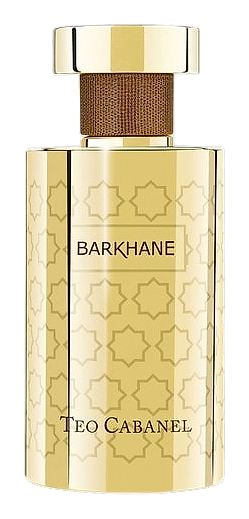
Barkhane arrived in 2013 from Jean-François Latty. The name carries weight without explanation, it belongs to a house that doesn't need to spell things out. Natural essences, honest formulation, no shortcuts. Barkhane was built to be worn, not just admired from across a room. The opening announces itself with a warm, resinous quality that feels both grounded and inviting. There's a textured richness here, something that suggests depth without relying on obvious heavy-handedness. As it settles, the fragrance reveals layers that unfold gradually, with each stage offering something slightly different from the last. The base holds firm without becoming oppressive, allowing the wearer to experience the full arc of its development over hours.
The combination of cumin and curry tree is unexpected, two ingredients that could have canceled each other out but instead create something distinctive within an oriental structure. Cumin brings warmth, an almost animalic spice that leans into skin territory rather than standing apart from it. Curry tree, rarer in Western perfumery, adds an aromatic layer that keeps the whole heart from becoming heavy. The interplay between these two materials creates a sensation that feels both intimate and complex, a warmth that extends rather than retreats as the fragrance develops.
The evolution
Bergamot opens bright and lingers only briefly, thirty minutes, maybe less, before the geranium takes over. The geranium is generous, almost lush, and the cumin sneaks in quietly at first, then asserts itself. This middle phase is where most of the conversation happens. The curry tree note stays subtle, more felt than named, adding an aromatic complexity that keeps the heart from becoming predictable. Then the resins arrive. Myrrh first, balsamic and warm, followed by the labdanum bringing a church-like incense quality. The oud emerges slowly, never overwhelming, working in tandem with the vanilla and tonka bean that sweeten the darkness without softening it entirely. Patchouli and vetiver anchor everything, preventing the base from floating away into abstraction. By hour three, Barkhane becomes something else entirely, warm, resinous, intimate. The sillage moderates as it develops, pulling closer to the skin rather than projecting outward. On fabric, it lasts for days.
Cultural impact
Barkhane occupies a particular corner of the oriental category. The composition offers a warm, resinous character that balances intensity with restraint, creating something that feels both substantial and wearable. The 2013 release predates much of the recent oud trend in niche perfumery, representing a time when such compositions were less common and more deliberate. Those drawn to complex oriental fragrances often find Barkhane remains engaging without demanding constant attention. The sillage projects consistently but without aggression, allowing the wearer to experience the full depth of the composition throughout the day.