Curry Tree
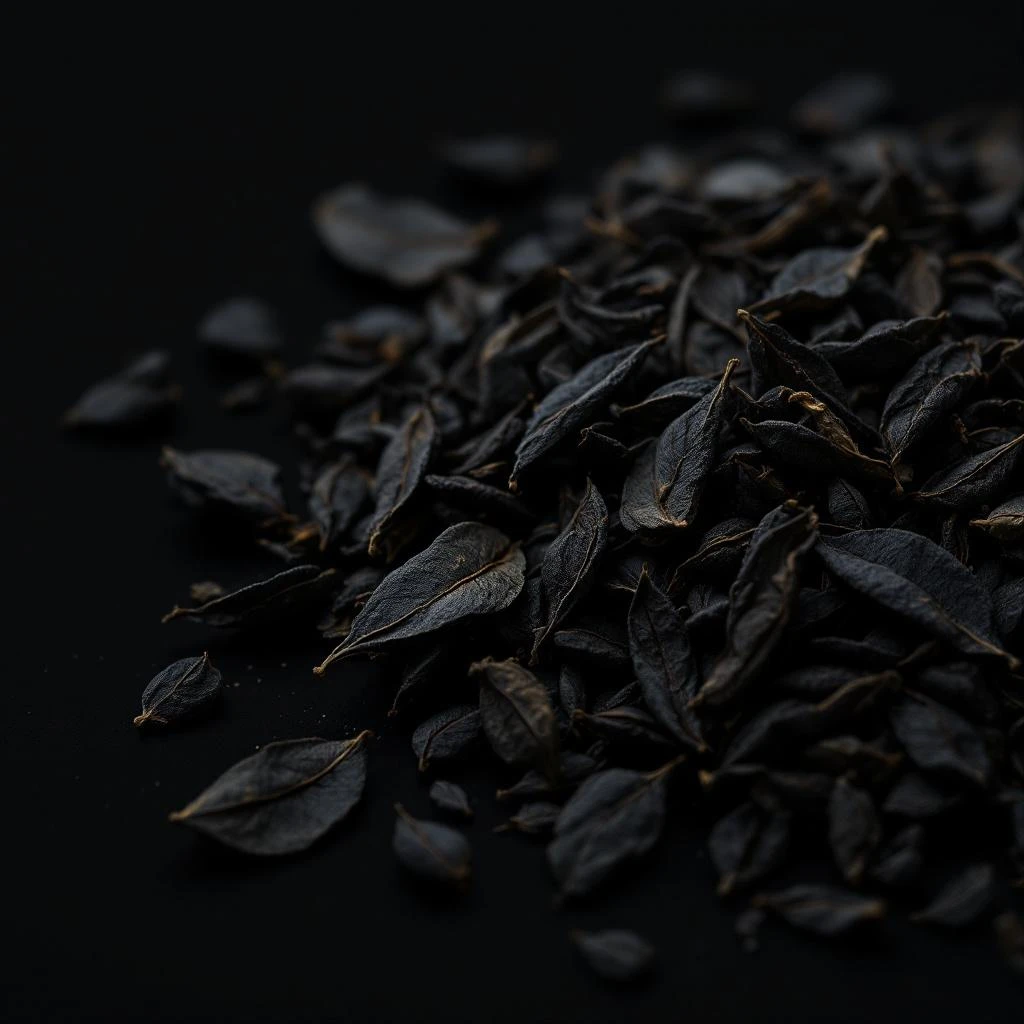
Curry Tree (Murraya koenigii) delivers a warm, aromatic punch to perfumery—earthy, slightly citrusy, and faintly spiced. Native to India, this tropical leaf brings unexpected depth and an almost culinary warmth that bridges green and exotic fragrance worlds.
Character
How it smells
The aromatic leaf that redefined an entire cuisine's scent.
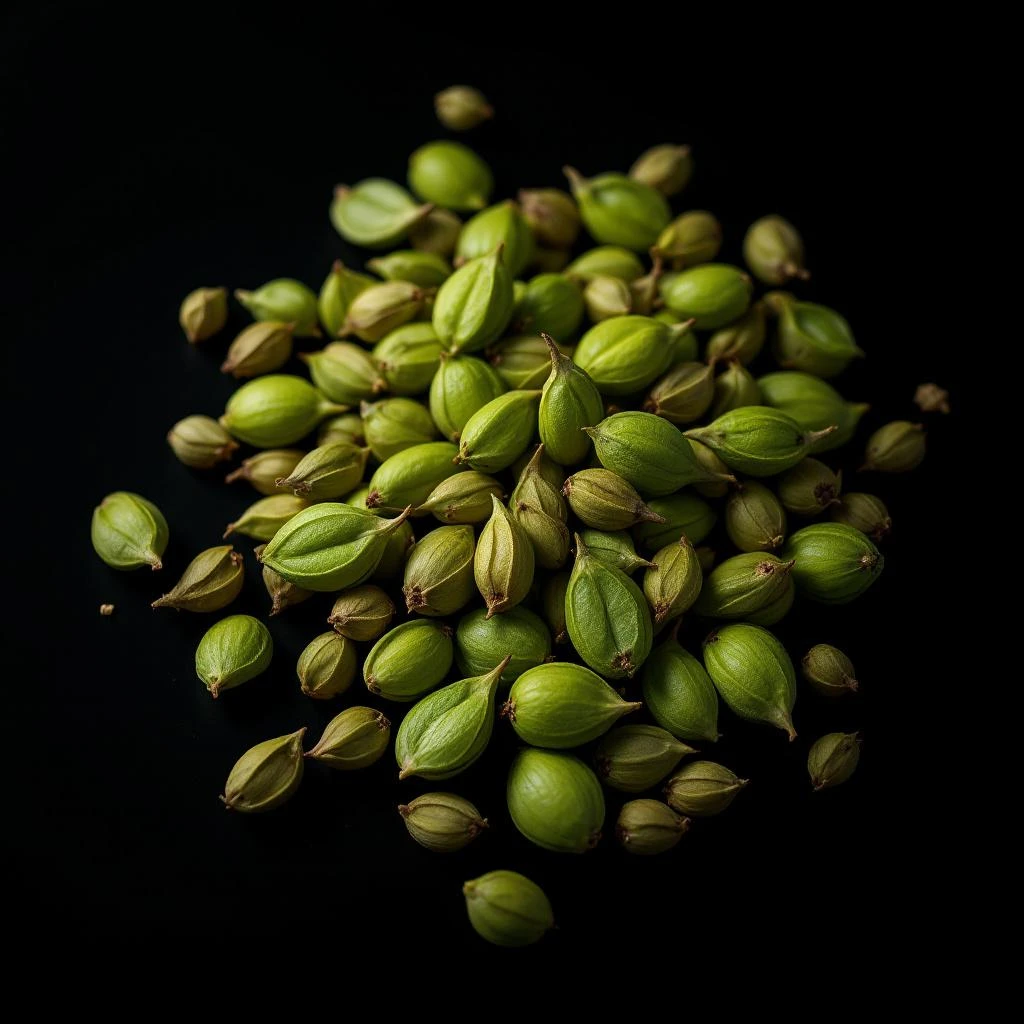
Curry leaves release their signature aroma only when crushed or heated—the fragrance is locked inside tiny oil glands invisible to the naked eye.






Origin
India
Murraya koenigii has been central to Indian cooking and Ayurvedic medicine for over 4,000 years. Ancient Tamil and Sanskrit texts reference curry leaf as a digestive and detoxifying agent, and the plant was commonly grown near temple courtyards and village homes across South India. Its aromatic leaves were sometimes incorporated into early perfume preparations and hair oils in the Tamil tradition—a practice connected to the renowned jasmine-producing region of Madurai, where multiple fragrant botanicals were layered into temple garlands and body preparations.
The plant traveled beyond India through trade routes, establishing itself in Sri Lanka, Malaysia, and Southeast Asia, where local perfumers incorporated it into fragrant unguents and cosmetics. The specific species was scientifically classified by botanists in the 19th century, though the plant's aromatic use long predates modern nomenclature.
Wears it best
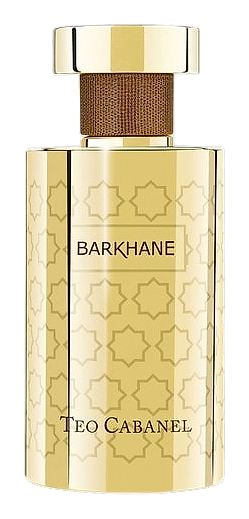
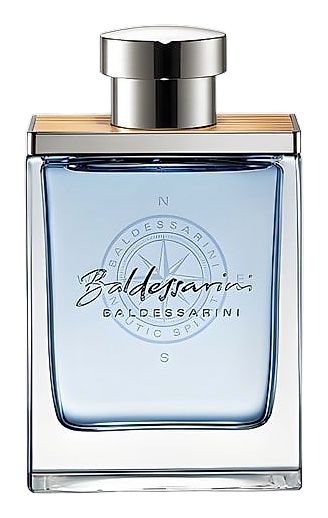
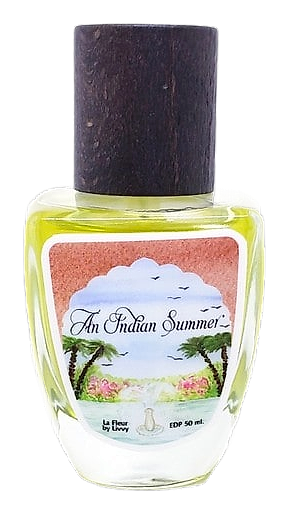
Fragrances featuring Curry Tree

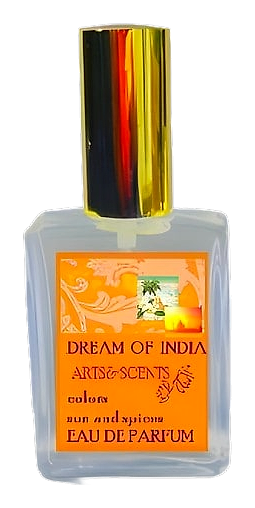
Brands
Brands known for Curry Tree
Good to know
Questions, answered
The essentials on Curry Tree in perfumery: how it smells, where it comes from, and how it behaves on skin.
What does curry tree smell like in perfume?
Curry tree absolute and essential oil have a fresh, green-spicy aroma with citrus and earthy undertones. It smells like crushed fresh leaves—warm, herbal, and slightly camphoraceous.
Is curry tree used in mainstream fine fragrances?
Curry tree is a specialty ingredient rather than a blockbuster note. You will find it more often in niche or artisanal fragrances that highlight green, spicy, or exotic botanical themes.
What is the botanical name of curry tree?
The botanical name is Murraya koenigii. It belongs to the Rutaceae family, which also includes citrus plants, giving curry tree its subtle citrus character.
Which countries produce curry tree oil for perfumery?
India is the primary source, with significant production in Tamil Nadu, Kerala, and Karnataka. Sri Lanka, Vietnam, and Malaysia also cultivate the plant for essential oil extraction.
Does curry tree absolute differ from curry tree essential oil?
Yes. Solvent-extracted absolute captures more of the leaf's complex fragrance profile and tends to be richer and more tenacious, while steam-distilled oil is lighter and more citrusy.
Can synthetic compounds replicate curry tree's aroma?
Some green-spicy aromachemicals can approximate parts of the scent, but the full complexity—citrus, earth, and subtle spice—requires natural extraction to achieve authentically.
How is curry tree harvested for perfumery use?
Leaves are hand-picked from cultivated trees during the monsoon season when oil content is highest, then processed within 24 hours to prevent degradation of aromatic compounds.
Are curry leaves used in perfumery the same as culinary curry leaves?
Yes, the leaves come from the same plant. Fresh curry leaves from Indian markets are also used directly in some artisan perfumery applications, particularly in Ayurvedic-inspired fragrance lines.