
The Story
Why it exists.
The beginning
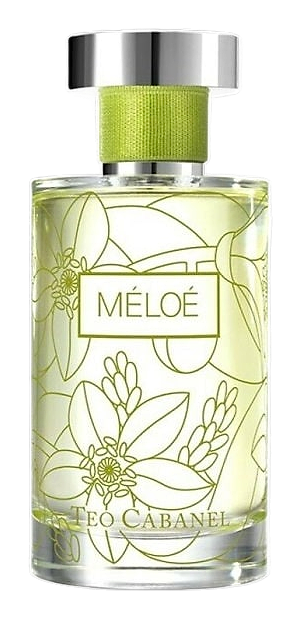
Meloe landed in 2008 from the work of Jean-François Latty, a perfumer with roots in French composition. The brief reads simple: citrus and white floral, built around the orange tree in all its forms, from bergamot through blossom to wood. The opening sparkles with cold-pressed bergamot, the kind that smells less like fruit and more like the bitter peel crushed between fingers, and it never really leaves. As the first minutes pass, that citrus brightness softens into something rounder, almost honeyed, as the blossom notes settle in. The neroli arrives with a green, slightly bitter edge that recalls the leaves more than the flower itself, and it threads through every stage of the wear.
What's interesting here is the orange tree as through-line. Bergamot and mandarin up top, Tunisian neroli and orange blossom in the heart, orange tree wood in the base. That's not an accident. The neroli doesn't behave like a passing accent here; it threads through the composition from the opening spray onward, giving the whole structure a continuous green-floral signature that ties the lighter citrus to the denser base. The result smells like one plant, not a chord.
The evolution
The first ten minutes are sharp. Bergamot and mandarin cut through with basil right behind, the kind of green that smells like you crushed a stem between your fingers. It announces itself at collar height, not further. By the thirty-minute mark the neroli takes the wheel, sweet and slightly bitter, and the jasmine starts threading through underneath. Nutmeg adds a low warmth that you feel more than smell. Past the two-hour point the whole thing calms down. Orange tree wood and white musk settle into skin, and the citrus is mostly a memory, a brightness that's been swallowed by something warmer and quieter. What lingers isn't the opening's energy. It's the softness underneath, that neroli-amber warmth, which stays close to skin for another two to three hours before fading to a clean musk trace. On fabric the next morning, a faint sweetness, like the ghost of orange blossom.
Cultural impact
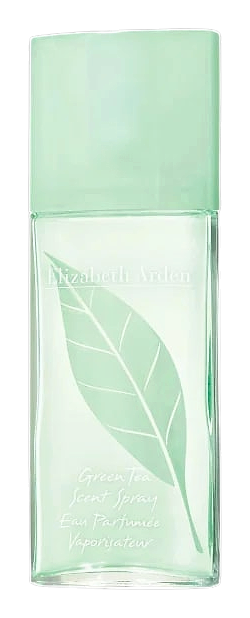
Meloe sits in the green-floral category, a space populated by long-running citrus-and-blossom compositions that have circulated for decades. What sets it apart is how fully it commits to the neroli thread, building an entire structure around the flower rather than treating it as a fleeting accent. The scent has drawn interest from collectors who favor classical French perfumery and who gravitate toward compositions built around a single botanical idea. It also appears in similar-fragrance listings alongside lighter green-floral references like Elizabeth Arden's Green Tea, though its construction is notably more layered and floral-forward.