Orange Tree Wood
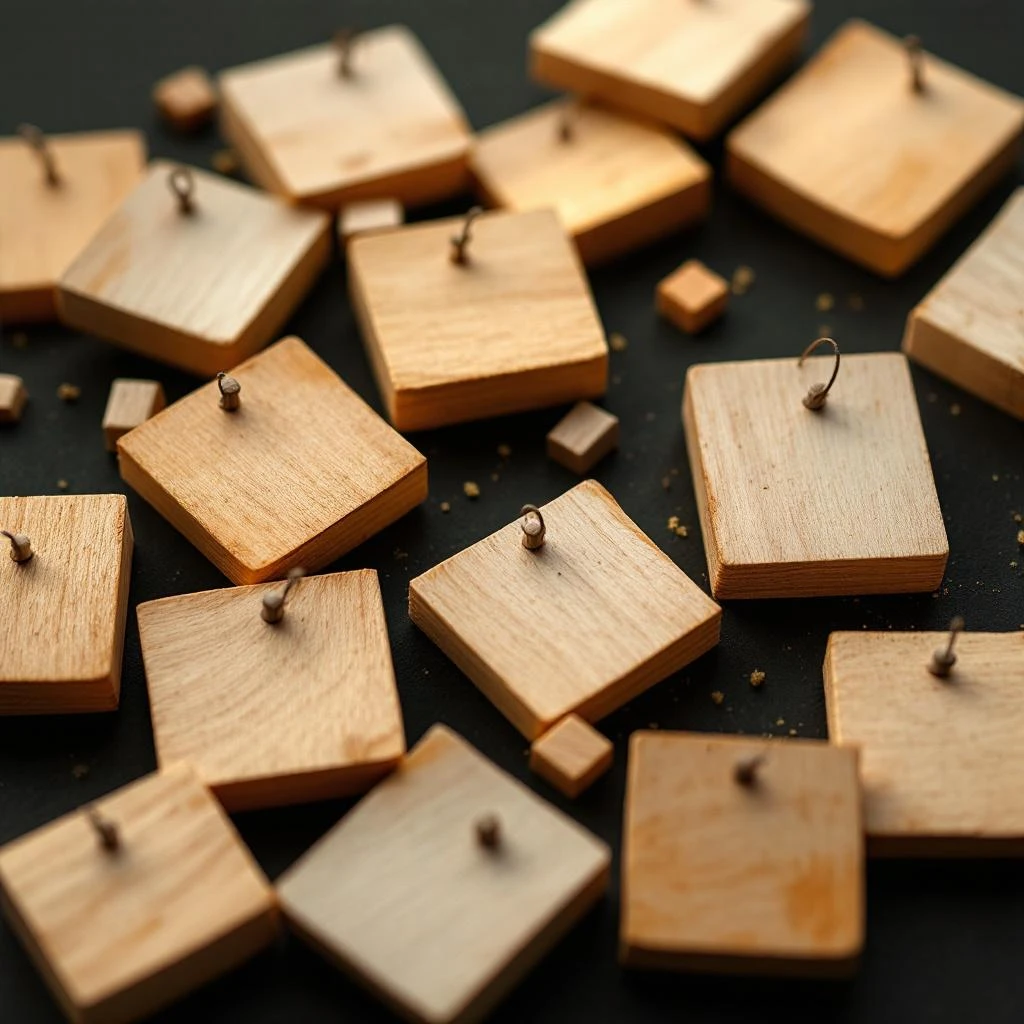
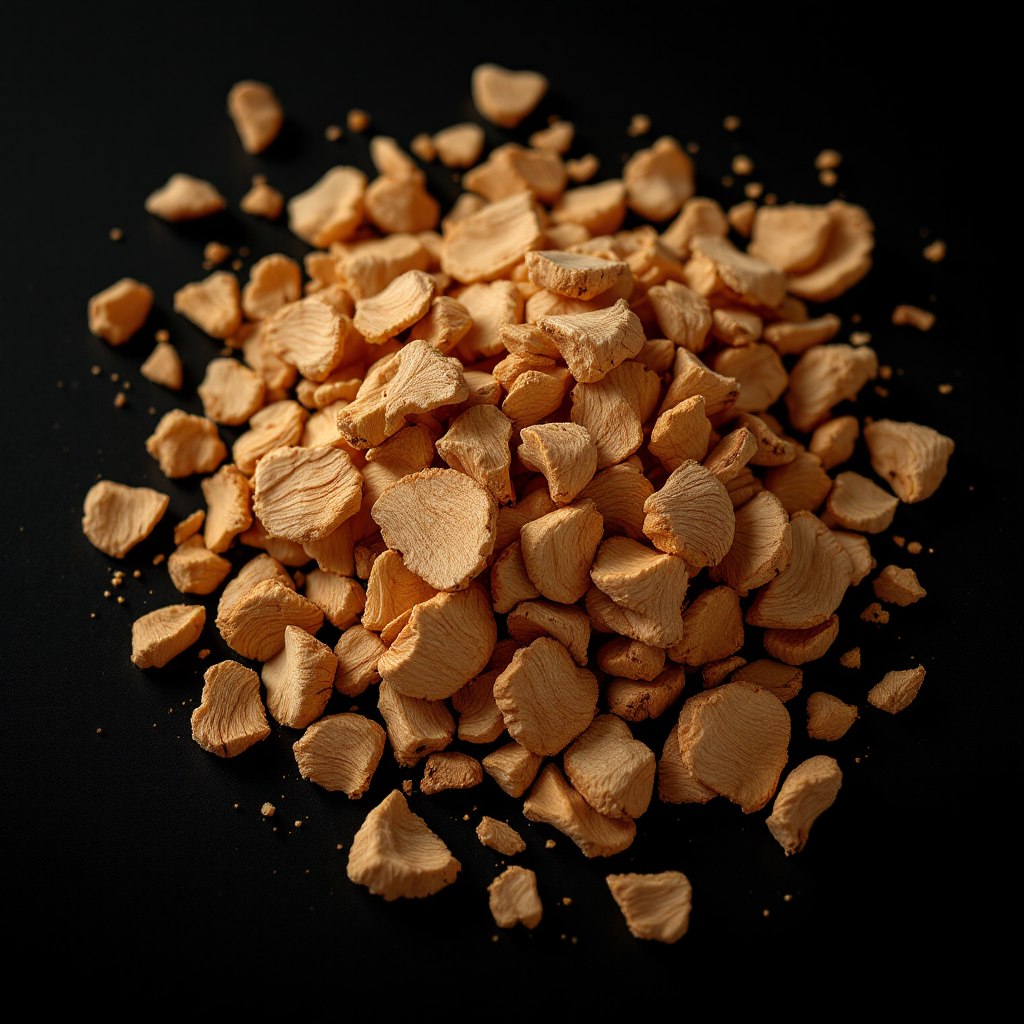
Orange Tree Wood captures the quiet strength of the bitter orange tree. This underutilized material delivers a warm, dry woody character with subtle citrus echoes, offering perfumers a grounding element that bridges fresh and resinous olfactory territories.
Character
How it smells
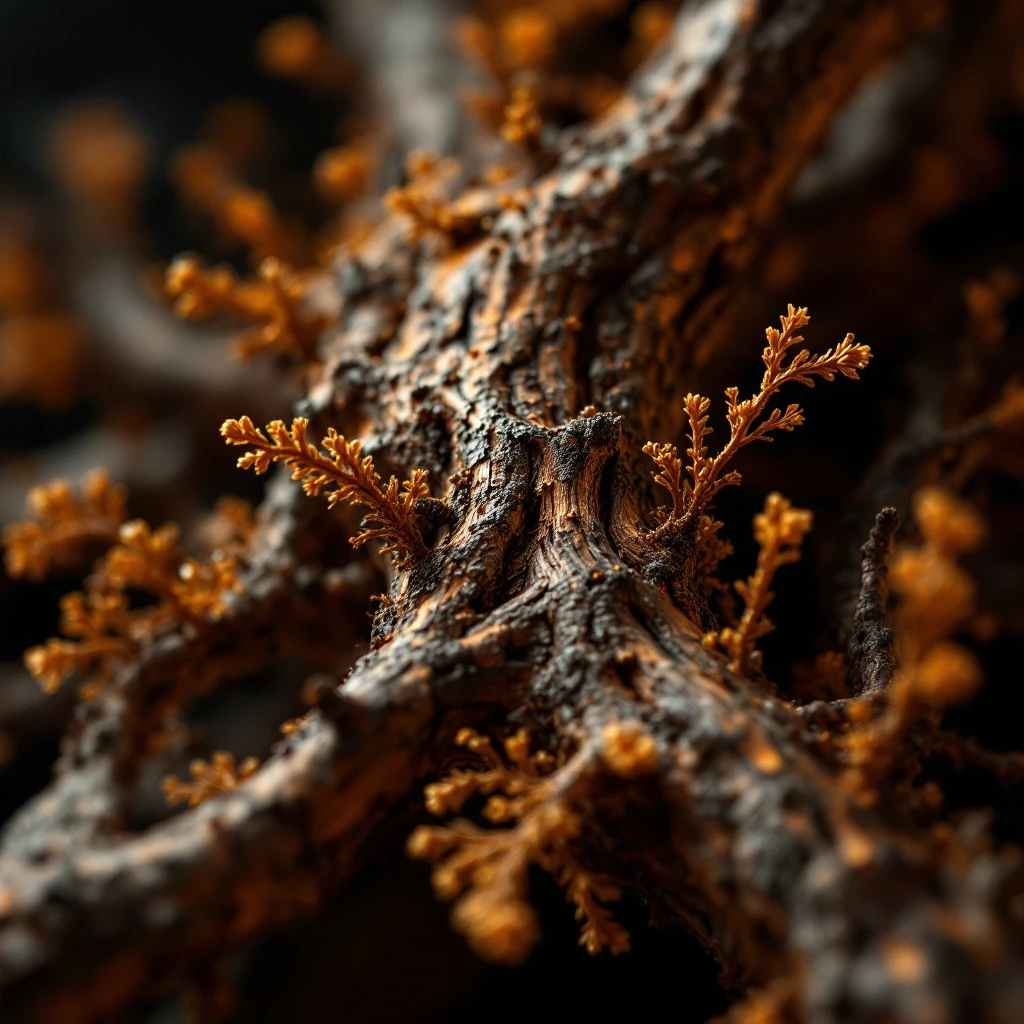
The silent backbone of the bitter orange tree.
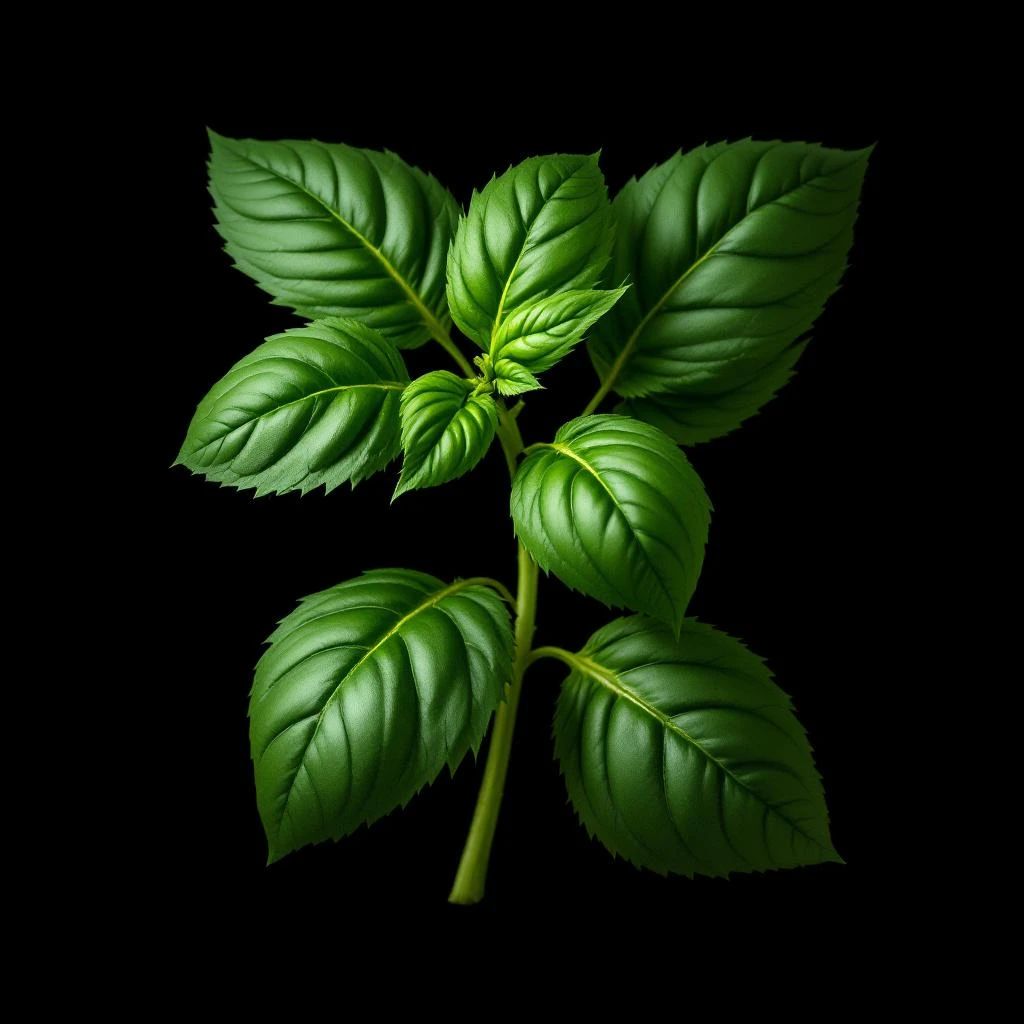
The same Citrus aurentium tree that yields neroli blossom also produces petitgrain from its leaves and a distinctive wood oil from its branches.







Origin
Egypt
The bitter orange tree has accompanied Mediterranean civilizations for over two millennia, arriving in the region via ancient trade routes connecting to Southeast Asian origins. While perfumers have long treasured the flowers for neroli and the leaves for petitgrain, the wood remained largely overlooked as a source material until modern aromatic science prompted closer examination of the entire botanical. Nineteenth-century cologne makers recognized that every part of the Citrus aurantium carried aromatic potential, yet industrial extraction focused on the most commercially viable outputs.
Contemporary natural perfumery has shifted toward whole-tree utilization, finding that wood distillation captures an often-missed dimension of the orange tree's olfactory identity. This material represents a quiet bridge between the fresh citrus notes of the fruit and the delicate floral notes of the blossom.
Wears it best
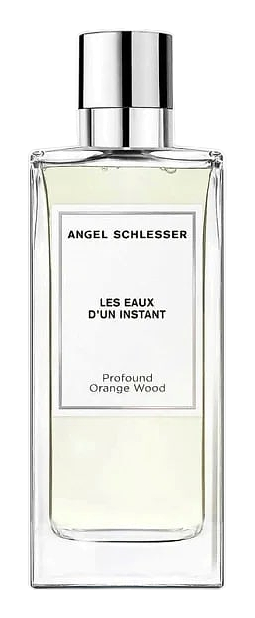
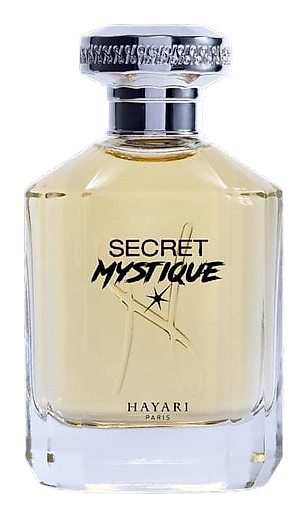
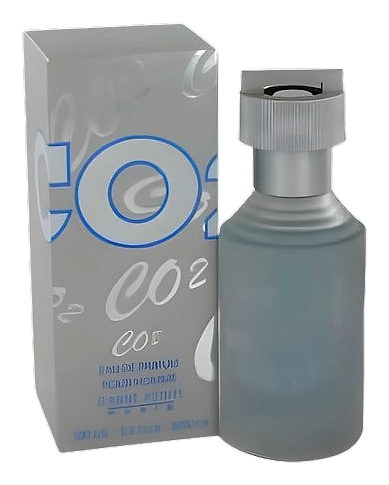
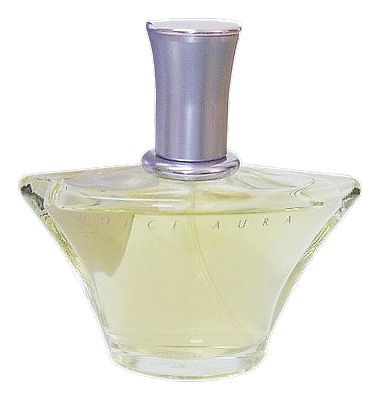
Fragrances featuring Orange Tree Wood
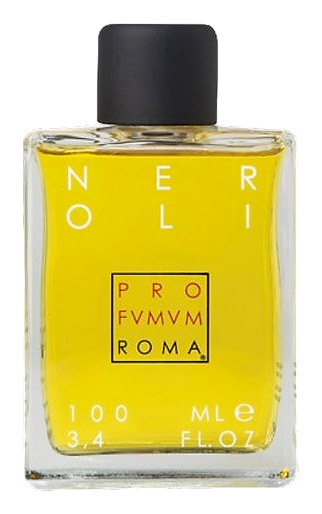
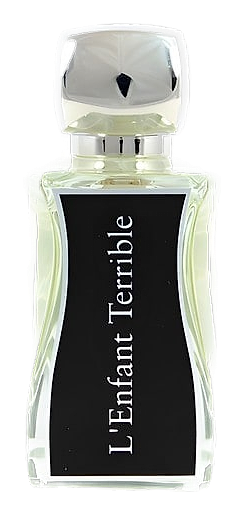

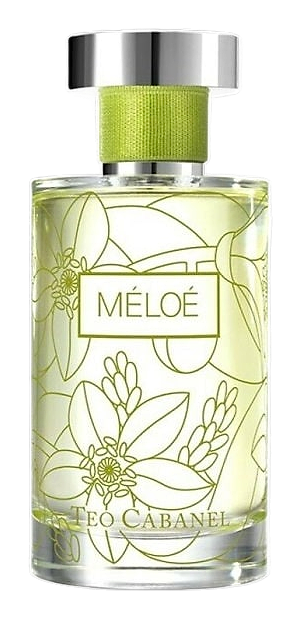
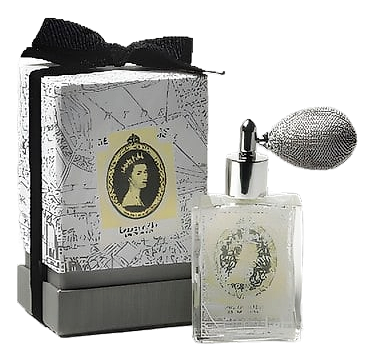
Brands
Brands known for Orange Tree Wood
Good to know
Questions, answered
The essentials on Orange Tree Wood in perfumery: how it smells, where it comes from, and how it behaves on skin.
What does Orange Tree Wood smell like?
Orange Tree Wood delivers a warm, dry woody aroma with subtle citrus undertones. It lacks the sharp freshness of citrus peel while carrying faint echoes of the tree's blossom character, creating a grounding effect that works well in woody and aromatic compositions.
Is Orange Tree Wood a natural ingredient?
Yes, it is a natural material obtained through steam distillation of wood and branches from the bitter orange tree (Citrus aurantium). No synthetic replication currently matches its full aromatic complexity.
Which fragrance families use Orange Tree Wood?
Perfumers employ it primarily in woody and aromatic constructions. It also appears in chypre and fougère bases where a citrus-tinged woody note helps bridge top and heart materials.
How does Orange Tree Wood differ from cedarwood?
Orange Tree Wood carries citrus-associated aromatic molecules absent from true cedars. Its scent profile is warmer and less dry than Atlas or Virginia cedar, with a subtler sillage that makes it better suited as a blender than a主角.
What sustainability concerns affect Orange Tree Wood production?
Reputable suppliers source wood from pruned material during routine orchard maintenance rather than harvesting dedicated trees. This approach makes the material a byproduct of fruit and flower production, improving its environmental profile.
Can Orange Tree Wood replace other woody notes?
It works best as a complement rather than a substitute. Its citrus-tinged character makes it unsuitable for replacing heavy woods like oud or sandalwood, but it adds complexity when blended with them.
How long has Orange Tree Wood been used in perfumery?
Documented use traces to the early 20th century when European perfumers began exploring complete utilization of the bitter orange tree. Widespread adoption came later, driven by natural perfumery movements in the 1990s.
Does Orange Tree Wood appear in high-end fragrances?
It appears in niche and artisanal compositions more frequently than mass-market products. Natural perfumers value it for its ability to add depth without weight, often using it in small percentages to anchor citrus-forward constructions.