
The Story
Why it exists.
The beginning
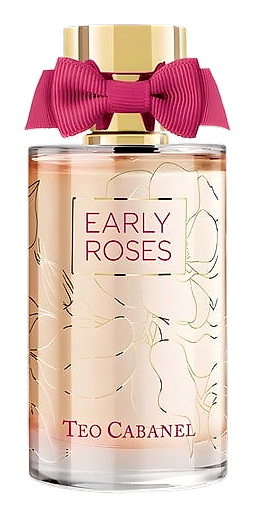
Early Roses opens with a cool immediacy, rose and aquatic notes blending into something that feels less like a traditional floral and more like the air itself. There's no stem-snipping drama, no gift-shop sweetness, no heavy bouquet presentation. Instead, the rose breathes alongside watery accords and soft jasmine, keeping the composition light and atmospheric rather than performative. The effect is that of standing in a garden as the morning light shifts, the flowers still holding their shape before the day warms them into something fuller. It's a fragrance that avoids the obvious paths of rose interpretation, threading between freshness and depth without committing fully to either.
What makes the structure interesting is how the rose repeats across every layer without feeling redundant. Bulgarian rose opens bright and dewy, Bulgarian rose in the heart becomes richer and more textured, and by the drydown the flower's character has shifted entirely, held now by white musk and amber into something skin-close and warm. The pink pepper doesn't announce itself. It flickers at the edges of the heart, just enough spice to keep the rose from feeling soft to the point of fragility. It's a small decision, but it changes the entire arc.
The evolution
The opening arrives cool and immediate, Bulgarian rose with a watery freshness that reads almost like wet stone, jasmine lifting the green without tipping into indolic territory. The aquatic notes do quiet atmospheric work, creating a crisp, morning-bright presence that sets the tone. Then the hand-off begins. The wateriness recedes and what replaces it is the fuller rose, the one that smells like petals pressed between pages rather than rain-soaked gardens. The pink pepper makes its entrance as a flicker more than a statement, warm, faintly spiced, keeping the rose honest. As the hours pass, the composition settles into something quieter but no less present, the initial brightness mellowing into a sustained floral warmth that lingers softly on the skin.
Cultural impact
Rose-centered fragrances have long occupied a particular space in perfumery, where they can carry expectations of romance, femininity, and tradition. Early Roses approaches rose with a different sensibility, using aquatic notes to create an unexpected bridge between classic romantic rose and contemporary minimalism. The combination offers something that feels fresh without abandoning the flower entirely, allowing the rose to exist in a context that doesn't rely on heavy floral stereotypes. The result is a fragrance that can appeal across preferences, offering rose as a versatile modern ingredient that can surprise rather than simply satisfy.
The House
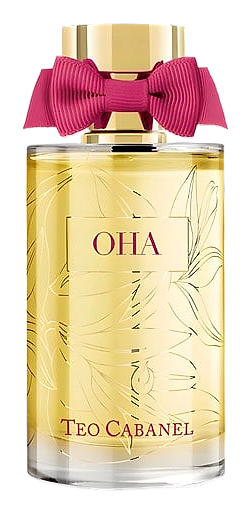
Teo CabanelTeo Cabanel is a French perfume house rooted in nineteenth-century tradition, founded in Algiers in 1893 by Théodore Cabanel, a physician and chemist. The brand occupies a distinct space in niche perfumery, offering fragrances that draw from classical French heritage while speaking to contemporary tastes. Today, the house operates under the direction of Caroline Ilacqua and produces its entire collection in France, maintaining the practices established by its founder. Each fragrance reflects a commitment to natural materials and transparent craftsmanship, appealing to collectors and enthusiasts who value authenticity over commercial appeal. The house publishes the ingredients for each perfume on its website, inviting customers to understand exactly what they are wearing.
The Creator
Jean-Francois LattyLatty's style reflects his unconventional path into the profession. Trained classically but shaped by field work and raw materials trading, he brings a grounded sensibility to his compositions.