
The Story
Why it exists.
The beginning
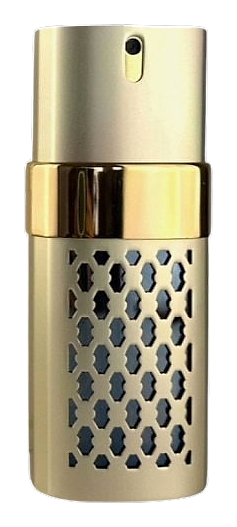
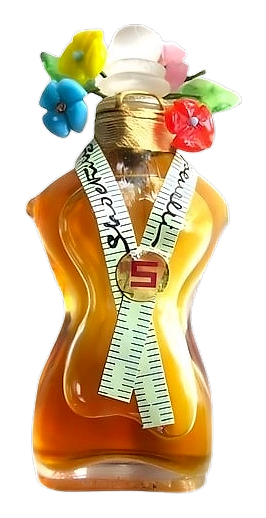
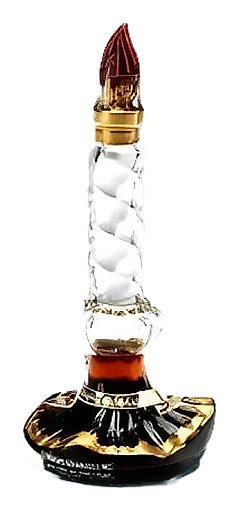
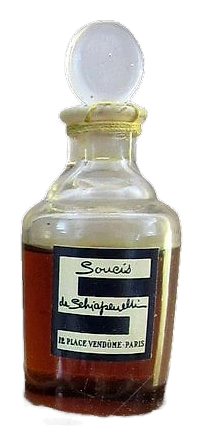
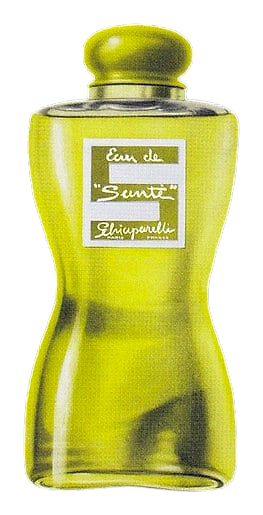
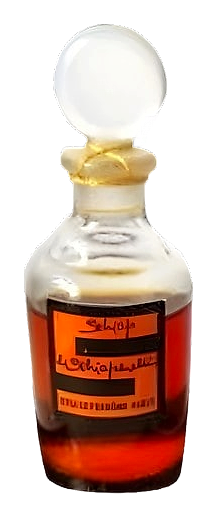
Schiap arrived in 1934 as part of Elsa Schiaparelli's first perfume collection, Salut, Schiap et Soucis. The bottle came from Jean-Michel Frank, a close friend of Elsa's who worked across French modernist design. Frank shaped the flacon, and the resulting vessel became part of how the perfume presented itself. Elsa's goal with the line was to extend her design vocabulary into scent, carrying the same inventive instinct that marked her couture work into a medium she hadn't touched before. The collection sat at the intersection of fashion and fragrance in a way that felt natural to the house, two sides of the same conversation. The name itself was personal.
What makes this composition interesting is how it stacks its florals. Iris appears twice, once in the heart and once in the base, anchoring the structure like a pin holding a couture hem in place. Carnation brings a clove-edged warmth, a spiced floral note that adds dimension and depth to the heart of the fragrance. The hyacinth up top carries a watery-green character, adding a cool, almost aquatic lift before the warmer notes develop. That opening coolness creates tension with the powder and spice that follow, setting up the transitions that define the wear.
The evolution
The opening is cool and green, a bright wash of hyacinth and citrus that reads like cold light through tall windows. Within twenty minutes the Madonna lily softens into something less sharp, more waxy, and then iris arrives with its powdery violet root. The carnation shows up around the forty-minute mark, bringing a warm spice note that feels almost like someone lit a single clove cigarette in another room. By the two-hour mark, the florals have settled into a tight bouquet that sits close to the skin. The drydown is where this one earns its reputation. Oakmoss and vetiver arrive as a dry, mossy shadow, with sandalwood underneath giving it warmth and the reappearance of iris in the base adding that rooty, suede-like close. The musk at the end is clean, not animalic, more like fresh laundry than skin.
Cultural impact
Schiap sits within Schiaparelli's 1934 debut collection, designed by Jean-Michel Frank. That context matters: the fragrance emerged alongside a broader body of work that defined the house's early years, and it carries the sensibility of that moment in fashion. The composition reflects the same attention to material and structure that characterized the couture, the same willingness to combine unexpected elements into something coherent. The bottle itself became a collectible object, part of how the perfume has been understood and discussed by those who have encountered it over the decades.