The Story
Why it exists.
The beginning
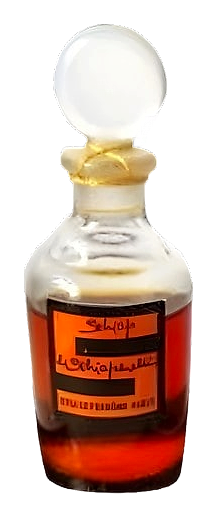
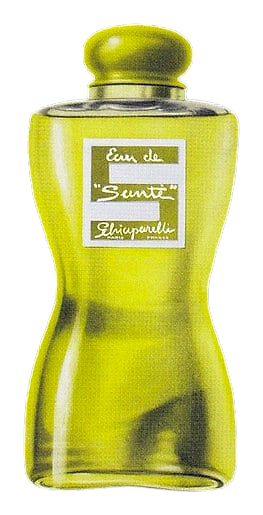
Eau de Santé arrived in 1939, and it was never meant to be a perfume in the traditional sense. Schiaparelli positioned it as a body rub, a functional cologne built around cooling pine. According to a note from the brand, it was described as 'a cologne...this is the forest primeval scent...cool tingling pine that takes the sizzle out of summer!' Elsa Schiaparelli's house had already trained its audience to expect provocation, but this wasn't Shocking. This was practical. A body product that smelled like standing under a conifer in August heat, designed for a queen or a king depending on the advertisement. The launch came as the world edged toward war. Eau de Santé sat apart from anything the house had previously released in scent.
What makes this composition worth lingering on is the commitment. Most pine fragrances hedge. They pair conifer with sweetness, soften the resin with vanilla, tuck the green into a broader accord that reads as fresh without committing to forest. Eau de Santé doesn't. The single note the house highlights is pine tree, and the accord classification reads woody, aromatic, conifer, green, balsamic. Every descriptor points the same direction. The conifer and green families do the heavy lifting, the woody and balsamic add structure, the aromatic keeps it from feeling like a candle. There's no floral heart to distract, no gourmand base to cushion.
The evolution
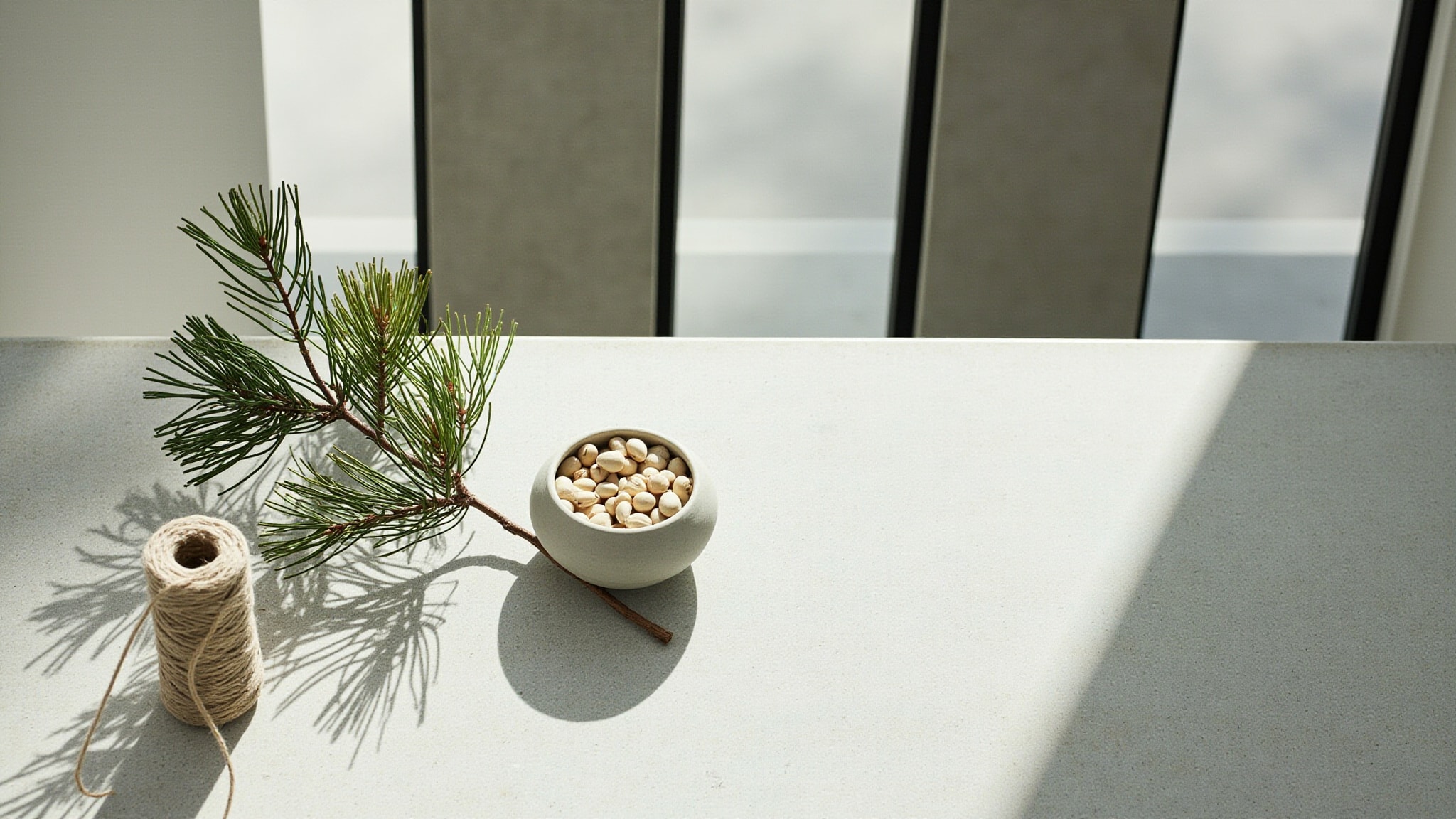
The opening is immediate and direct, the pine arrives fully formed within the first minute. It smells like snapping a twig, like the resinous air under a pine canopy at midday, the exact moment the heat makes the sap rise. The composition holds this character with remarkable consistency early on, a conifer clarity that reads as clean without reading as soapy. The single confirmed note, Pine Tree, gives the fragrance an unusual directness. There's no supporting cast of citrus or florals to complicate the read, no hidden spice that surfaces later. Just pine, stated plainly from the first spray. As the cologne wears on, the green quality starts to shift. The sharp, needle-like quality softens into something woodier, slightly more balsamic, the way a living branch dries and sweetens after it's been cut.
Cultural impact
Eau de Santé occupies a strange corner of Schiaparelli's fragrance legacy. It was never trying to compete with the house's more theatrical perfumes. It was a body product, a functional cologne, something to cool the skin in summer heat. That positioning gave it a different kind of cultural life. The fragrance never claimed flagship status, but its single-minded devotion to pine and its utility-first ethos give it a distinct appeal within the broader catalog. The composition is built from a single confirmed note: Pine Tree. That narrow focus makes it read almost like a material study rather than a constructed perfume.