The Story
Why it exists.
The beginning
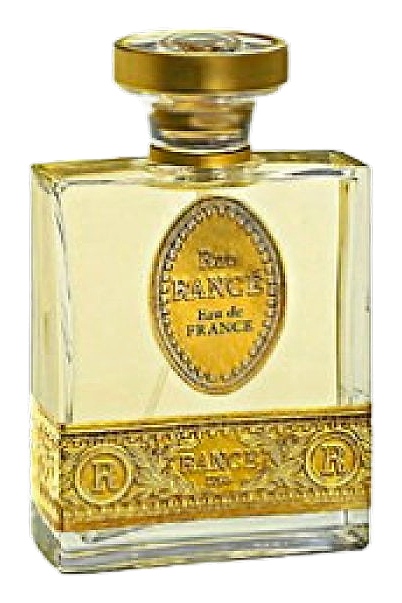
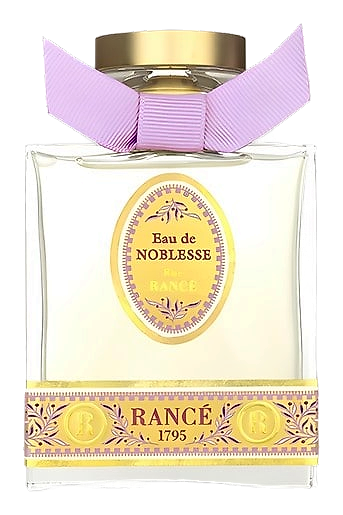
Jeanne Sandra Rance composed Eau de Noblesse in 2011, and the name does most of the explaining. Noblesse, the old French register for nobility, suggests an aristocratic bearing, a quiet kind of elegance that the composition itself takes seriously. Where opulence can feel like a raised voice, Eau de Noblesse speaks in a lower register, closer to a murmur than a declaration, and that sets the tone for everything that follows. It belongs to Rancé 1795's Rue Rancé collection, a series the house built around understated daytime compositions that draw on classical French perfumery. Where the brand's grander pieces lean into opulence, Eau de Noblesse is the house's argument that refinement can also mean restraint.
What makes Eau de Noblesse worth attention is how it handles the rose-iris axis, a pairing that can read either grandmotherly or grand depending on execution. Here the grapefruit cuts the sweetness, and the rhubarb adds the tartness that keeps the iris from going chalky. The rose, rather than crowding the iris, sits beside it, and the two florals take on a slightly cool, almost silvery quality as a result. Vanille in the base might suggest something gourmand, but the cedarwood and rosewood steer it away from dessert.
The evolution
The first twenty minutes are all citrus and intention, grapefruit sharp against bergamot, a hint of rose underneath that gives it direction. It's the kind of opening that makes you check your wrist to confirm it's there. Around the half-hour mark, the rhubarb steps forward, bringing its green-tart snap, and the iris arrives as a powder that settles over everything. The coriander weaves through, adding a peppery lift that keeps the heart from going flat. This is the most floral moment, and it reads as composed rather than sweet, the iris cushioned by vanilla even before the drydown announces itself. After about three hours, the rosewood and cedarwood take their seat, and the musk rounds the edges. The vanille that was always present in the background now carries more weight, softening the woods without sweetening them. What remains at hour six is a skin-close blend of iris powder, faint vanilla, and wood, close enough to smell when you move but not lingering on a jacket left behind.
Cultural impact
Eau de Noblesse occupies an unusual place in the modern fragrance landscape, behaving more like a quiet personal statement than a loud brand signal. The composition reads as a deliberate exercise in restraint, holding back where many contemporary releases push forward, and that restraint is part of its appeal. The floral-powder register it works in, built around rose, iris, and a soft musky drydown, draws from the classic French perfumery vocabulary without leaning on the heavier materials that often define that lane. On skin, the fragrance behaves with a kind of studied politeness.
The House
Rance 1795Rancé 1795 is a French perfume house that traces its origins to the late eighteenth century. Founded in Grasse by François Rancé, the brand has survived more than two centuries of political change, artistic movements and shifting consumer tastes. Today it offers a curated portfolio of niche scents that blend historic techniques with contemporary sensibilities, appealing to collectors who value depth and continuity.
The Creator
Jeanne Sandra RanceJeanne Sandra favors a balanced architecture built on a clear hierarchy of notes. She begins with a dominant heart—often a single flower—then grounds it with a modest woody base.