

The Story
Why it exists.
The beginning
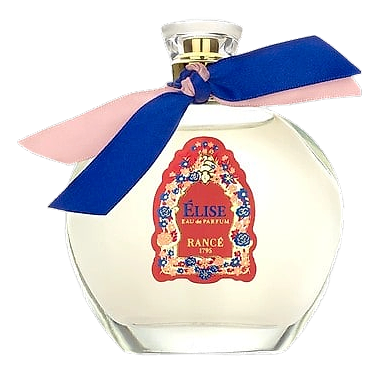
The Impériale collection at Rance 1795 draws its names from history, figures who shaped courts, movements, and legacies. Elise was no exception. She was Napoleon's younger sister, the Great-Duchess of Tuscany, known for transforming her estates into curated landscapes of exotic plants and flowering gardens that drew visitors from across Europe. The house named this fragrance for her in 2012, perfumer Christian Carbonnel translating the duality of her story, her connection to the Tuscan estates and her place within Napoleonic history, into something you wear. The result is a scent that moves between cool botanical notes and warm florals, echoing the gardens she cultivated.
What makes Elise interesting as a composition is its structural ambition. The opening is aggressively marine, not the synthetic aqua of mass-market fragrances, but something that actually smells like air moving off water. This reads as a deliberate choice because the rest of the pyramid doesn't support it. Eucalyptus as a heart note is unusual; it's more commonly a top note or an accord in men's fragrances. Here it acts as a bridge, cool, camphorated, almost medicinal, between the salt air and the warm garden that follows. The white rose from Grasse keeps the florals graceful rather than insistent, and La Réunion vanilla in the base is specific enough to suggest real character rather than vague sweetness.
The evolution
It opens bright and airy. Neroli and mandarin orange arrive together with marine notes, and at first this is sea air and sunshine, no subtlety, no apology. The mandarin fades faster than expected, and that's when the eucalyptus announces itself. Camphorated, cool, almost green. It doesn't fight the marine notes so much as argue with them. White rose slips in quietly, adding softness without weight. The transition between phases unfolds gradually. As the eucalyptus begins to recede, the base begins its slow build. Musk, patchouli, amber, and then the vanilla arrives. Not immediately sweet. It has a warmth that builds as the other notes settle, resinous and inviting. The marine notes don't disappear entirely; they linger underneath like a memory of the opening. On fabric, this lasts into the evening.
Cultural impact
Elise occupies a quiet but distinct position in the marine-floral category. The eucalyptus presence gives it an aromatic edge that feels more considered than fashionable, composed in 2012, but the structural choices haven't dated it. Among niche fragrance enthusiasts who explore the Impériale collection, this scent represents the kind of thoughtful composition the house is known for, carrying an emphasis on depth and character over trend.
The House
Rance 1795Rancé 1795 is a French perfume house that traces its origins to the late eighteenth century. Founded in Grasse by François Rancé, the brand has survived more than two centuries of political change, artistic movements and shifting consumer tastes. Today it offers a curated portfolio of niche scents that blend historic techniques with contemporary sensibilities, appealing to collectors who value depth and continuity.
The Creator
Christian CarbonnelCarbonnel is at his most distinctive when building rich, layered oriental compositions that unfold over hours on the skin. He favors high-quality natural materials and constructs fragrances with real depth—top notes that sparkle, heart notes that develop, and base notes that a…