The Story
Why it exists.
The beginning
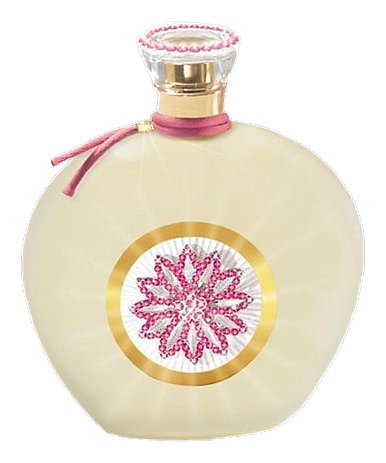
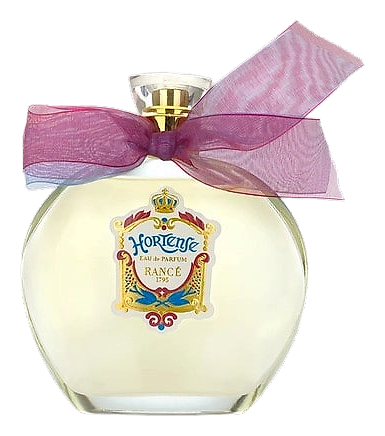
Hortense takes her name from the historical Hortense, born to Marquis Alexandre de Beauharnais and Rose Tascher de la Pageri, the woman who would later become world-famous as Josephine. She grew up with light blue eyes, blond wavy hair, and a documented affection for Dutch florals and Eastern spices, a taste that would define the fragrance built around her. She went on to become Queen of Holland, remembered for her simplicity and grace. In 1810, a member of the Rancé family, Jean Rancé, composed a fragrance in her honor, interpreting that appetite for spiced florals through his own palette.
The composition works because it refuses to settle into a single mood. Cardamom, black pepper, cinnamon, and incense arrive together, and each one carries its own gravitational pull, bright, sharp, smoldering, warm. The rose threading through the heart keeps everything in tension, a floral choir of roses that lifts the spices without softening them. In the base, mahogany anchors the drydown with a density you don't get from lighter woods, giving the composition a weight that feels more architectural than decorative.
The evolution
The first fifteen minutes are all snap. Cardamom hits bright and slightly screechy, black pepper buzzes behind it, and the bergamot adds a sour edge that keeps things from going sweet. There's a dusty, almost chalky quality in those opening minutes that tends to polarize. Around the thirty-minute mark, the incense and rose arrive together, and the composition pivots. The rose plays a supporting role, more of a hum than a statement, while cinnamon warms the whole picture. By hour two, the mahogany and vanilla have taken over. The drydown is where this fragrance wins people over, warm, woody, slightly vanillic, totally harmonious. As the hours pass, the projection gradually steps back, settling into a softer, more intimate register that hovers near the skin rather than projecting outward.
Cultural impact
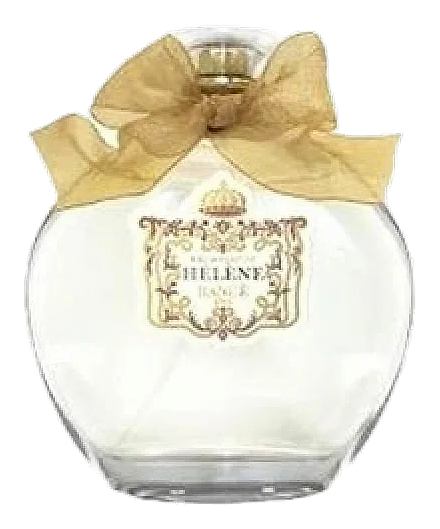
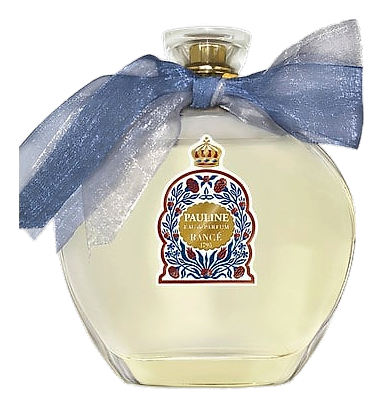
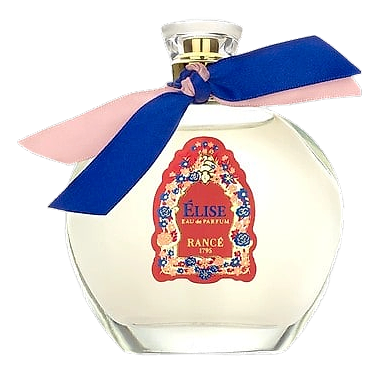
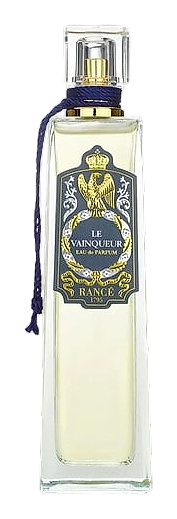
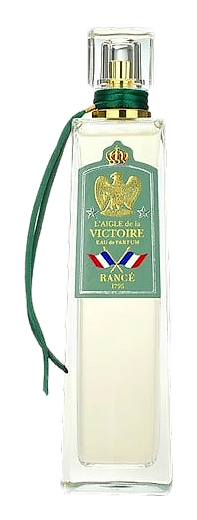
Hortense arrived in 2015 as part of Rancé 1795's Imperial collection, a line that draws on the house's historical connection to Napoleonic-era France. It sits in a comfortable space between Eastern-inspired spicy orientals and classical French florals, a combination that has earned it a following among collectors who appreciate warmth and structure in equal measure. Reviewers have called it wonderful, pleasant, and harmonious, with one recurring comparison describing the drydown as Earl Grey with honey, a quiet, slightly sweet warmth that lingers without ever tipping into gourmand territory.