
The Story
Why it exists.
The beginning
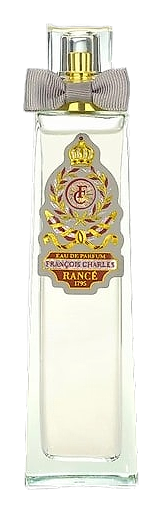
Rancé 1795 was founded in Grasse in 1795, beginning a long tradition of French perfumery. The name François Charles, chosen for this fragrance, carries historical weight, echoing a figure of consequence from an earlier era. The scent itself captures something of that legacy, balancing tradition with a lightness that feels contemporary rather than burdened by the past. Giovanni Rancé revisited this impulse, releasing François Charles as part of the Impériale collection. The name carries significance. The fragrance doesn't let it get heavy.
The structure here is unusual, not in any single material, but in the sheer breadth of the top note layer. Twelve aromatics compete for attention at opening, from tart citrus to tropical fruit to anise. Most compositions would muddy at that scale. What keeps it legible is the pacing: each note arrives and exits cleanly, ceding space to the next rather than layering on top. The heart, by contrast, is restrained, six materials, predominantly aromatic and floral, keeping the transition measured.
The evolution
The first ten minutes are all citrus, bergamot, grapefruit, tangerine, lemon, bitter orange, all firing at once. Tangerine drops out first, then the grapefruit recedes. By fifteen minutes the tropical notes arrive: melon and pineapple softening the edges, with ginger and cardamom pushing through underneath. At thirty minutes the heart takes over, lavender and clary sage arriving together, the florals (rose, jasmine, orange blossom) arriving quietly behind them. The opening hasn't disappeared; it's still there, warm beneath the herbs. By the second hour the citrus is gone entirely. Cedar and sandalwood anchor the base now, with iris adding a powdery softness that builds slowly. Vanilla and caramel arrive around hour three, sweetening what was spicy. The drydown holds for two to three hours more, close to skin, warm, powdery. By hour five or six, only the cedar and a faint amber remain.
Cultural impact
François Charles occupies an interesting position within the Impériale collection, named for a figure of historical consequence but composed with a lightness that reads more joyful than solemn. Its citrus and spice structure brings a certain warmth to the composition, with powdery undertones that add depth without heaviness. Wearers describe it as the fragrance of someone who walks into a room and doesn't need to announce themselves, a sensibility that aligns with the Rancé house philosophy of depth over novelty.